Sub-45g Gaming Mice: Aim Revolution or Marketing Gimmick?
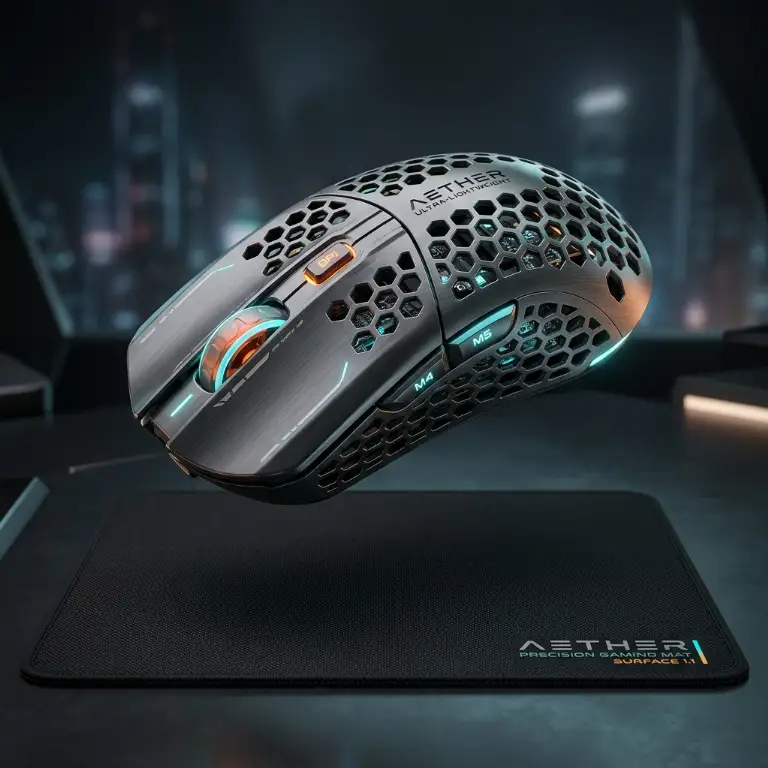
The race to shed grams in competitive gaming gear has taken an almost obsessive turn. It was not that long ago when a 100-gram mouse was hailed as exceptionally lightweight.
Today, peripheral makers are carving out internal plastic, drilling honeycombed shells, and deploying exotic alloys to break a staggering physical threshold: sub-45 grams. But does this relentless pursuit of weightlessness deliver a tangible in-game advantage, or is it merely clever marketing designed to justify sky-high price tags?
To find out, we need to look beyond marketing spec sheets and examine the physics and physiology of aim mechanics. By slashing mouse weight, manufacturers fundamentally alter how gamers initiate flicks, micro-adjust, and stabilize crosshairs.
Why Weight Changes Everything in Competitive Gaming
Also Read: For an in-depth comparative breakdown of top performers, check out our comprehensive guide to the best ultra-lightweight gaming mice in 2026 to find the ultimate tool for pro-level aim.
Elementary physics states that force equals mass times acceleration (F=ma). In gaming terms: the lighter your mouse, the less muscular effort is required to set it into motion, and crucially, the less force needed to bring it to an abrupt stop. That stopping power is precisely what determines success in high-stakes tactical duels.
In tactical shooters like Counter-Strike 2 or Valorant, winning duels hinges on split-second flick shots and razor-sharp micro-corrections. With an ultra-lightweight mouse under 45g, kinetic inertia is practically zero. You can halt crosshair movement instantaneously, eliminating that split-second physical delay where hand muscles battle momentum to steady the reticle.
Conversely, fast-paced tracking shooters like Apex Legends or Overwatch present an entirely different challenge. Tracking erratic targets smoothly demands consistent glide. While an ultra-featherweight mouse prevents arm fatigue, the lack of natural stabilizing inertia means every minor hand twitch registers on screen. That is why some tracking purists still prefer slightly weightier mice to dampen micro-jitters.
Fatigue and Ergonomics: The Physiological Perspective
Beyond raw aim mechanics, dipping below the 45g mark delivers welcome relief to wrist joints and forearm tendons. Esports athletes endure grueling practice hours repeating identical micro-movements. Carpal tunnel syndrome and wrist tendonitis remain notorious hazards in professional gaming. Cutting the weight of your mouse in half significantly diminishes strain on forearm flexors.
However, extreme weight reduction often forces ergonomic compromises. Sub-45g mice regularly sacrifice supportive ergonomic contours in favor of compact, low-profile symmetrical shapes optimized strictly for claw or fingertip grips.
Dedicated palm grippers may struggle to find support. To optimize your overall competitive performance, be sure to explore our pro gamer scientific training guide to pair your hardware with proper mechanical drills.
Field Tests: The Best Sub-45g Gaming Mice
Here is our curated selection of top-tier ultra-lightweight mice tested across real competitive ranked sessions, representing peak engineering in this extreme weight class.
WLmouse Beast X
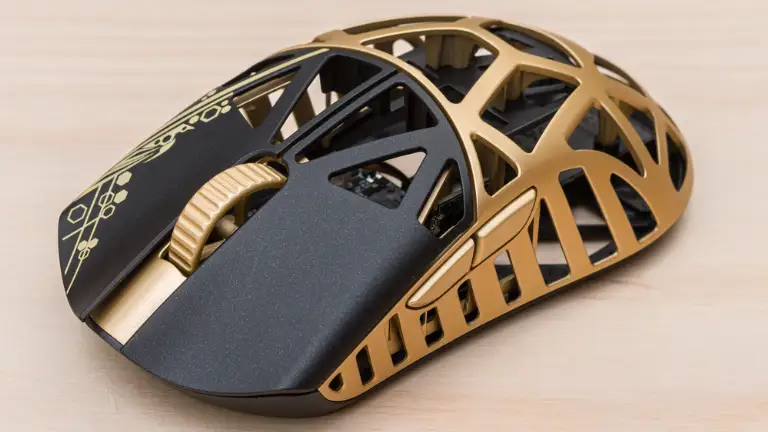
The WLmouse Beast X turns heads with its radical styling. Weighing in at a mere 39 grams, it utilizes a fully open magnesium alloy exoskeleton. This webbed chassis achieves tremendous structural rigidity while stripping out unnecessary plastic. In hand, the frame feels rock solid with zero flex or creaking. Equipped with a PixArt PAW3395 sensor and native 8000 Hz polling support, it delivers instantaneous responsiveness. It is an ideal weapon for fast claw grip flickers.
Ninjutso Sora V2
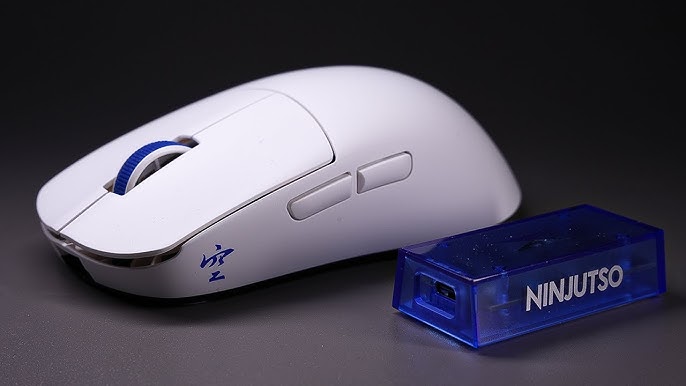
For gamers who detest perforated honeycomb shells that invite dust and grime, the Ninjutso Sora V2 represents a masterclass in shell design. It clocks in at the identical 39-gram weight as the Beast X, but features an entirely closed shell sculpted from ultra-thin polycarbonate. The minimalist matte finish provides outstanding tactile grip without requiring grip tape. Featuring a flagship sensor and 8000 Hz wireless capability via an optional receiver, it delivers dependable, locked-in tracking. It is a dream pick for CS2 and Valorant purists seeking extreme lightness in a conventional shape.
Finalmouse UltralightX Lion
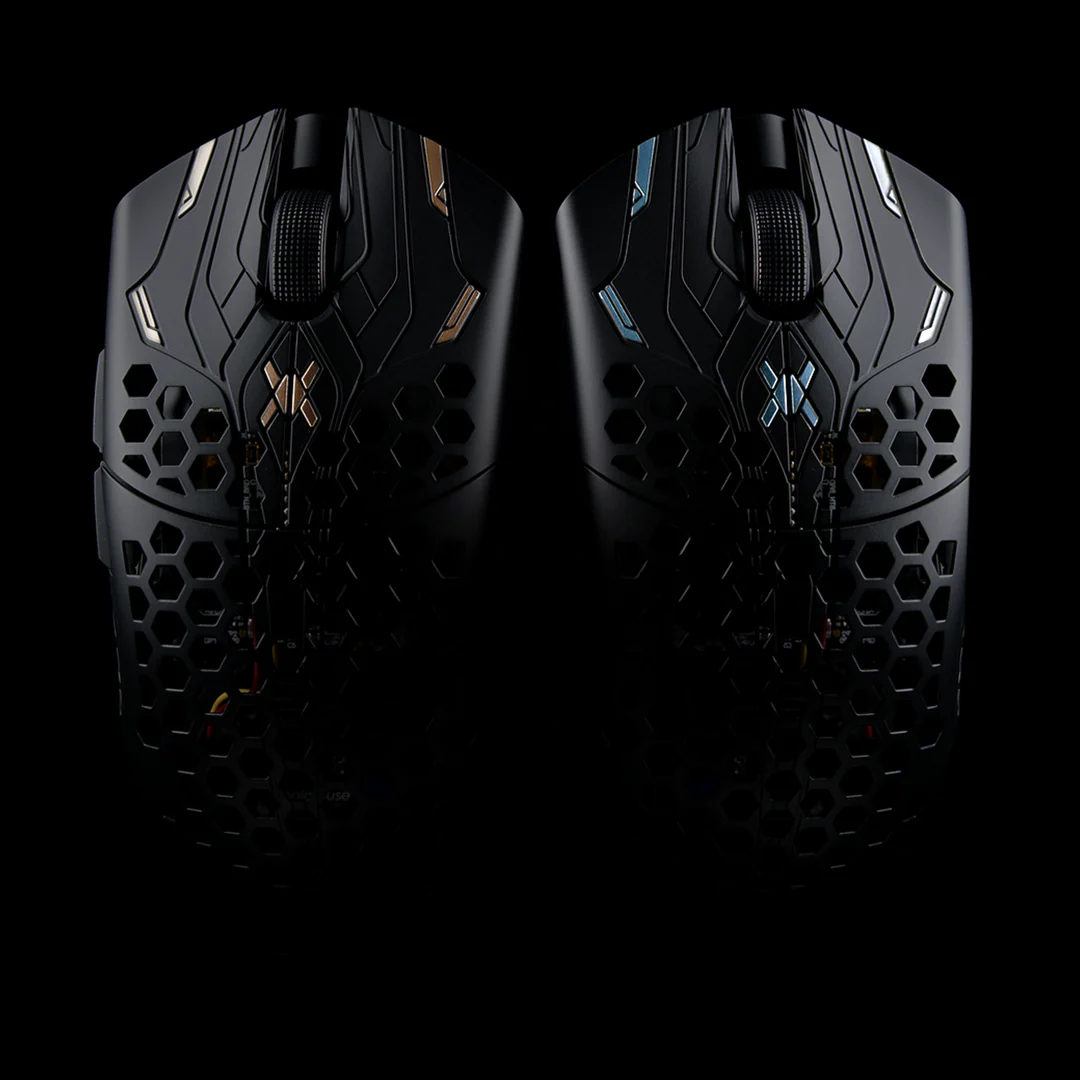
Finalmouse continues pushing physical limits with the UltralightX lineup. The medium-sized Lion variant dips down to an astounding 31 grams. To pull off this feat, the company engineered a proprietary carbon-fiber composite material that boasts three times the tensile strength of ABS plastic at a fraction of the weight. Wide honeycomb cutouts expose internal circuitry. Combined with a custom sensor and near-zero inertia, sweeping the Lion across a cloth pad feels like swinging air. Its premium price and limited batch drops make it a luxury item for hardcore aim enthusiasts.
WLmouse Beast X Max
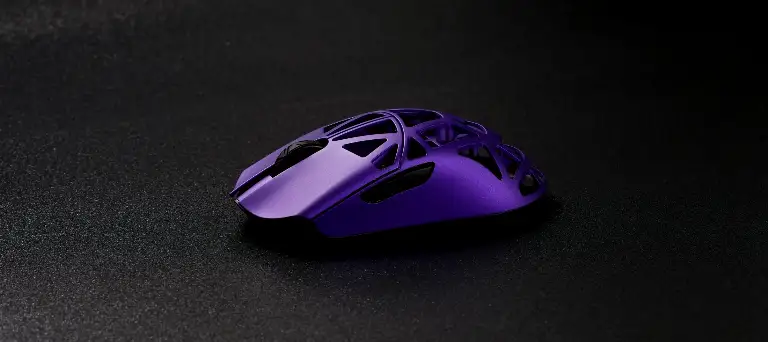
If you have larger hands or prefer a palm grip but refuse to drag a heavy peripheral, the WLmouse Beast X Max is your answer. Tipping the scales at 42 grams, it delivers full-sized dimensions while comfortably resting under the 45g mark. It retains the proven formula of its smaller sibling: an open magnesium skeleton backed by top-tier internals. The generous hump provides reassuring palm contact for players accustomed to standard mice, all while reaping the benefits of featherlight stopping power.
WLmouse Beast X Mini
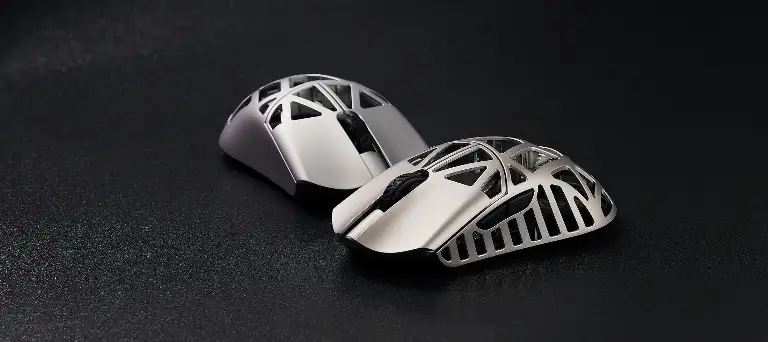
The WLmouse Beast X Mini targets players with smaller hands or dedicated fingertip grip specialists. This miniaturized chassis registers at a jaw-dropping 34 grams. Its tiny profile enhances nimble finger flicking, empowering surgical micro-adjustments using pure fingertip dexterity. The magnesium shell prevents flex, and the firmware easily keeps up with rapid hand motions. A word of caution: if you have medium-to-large hands, this diminutive frame requires an adjustment period to avoid cramping during extended play.
The Pro Tournament Benchmarks (50g to 60g)
If the sub-45g barrier sounds too radical or you prefer the time-tested stability of a solid-shell tournament staple, these international esports champions sit slightly higher on the scale but remain absolute powerhouses.
Logitech G Pro X Superlight 2
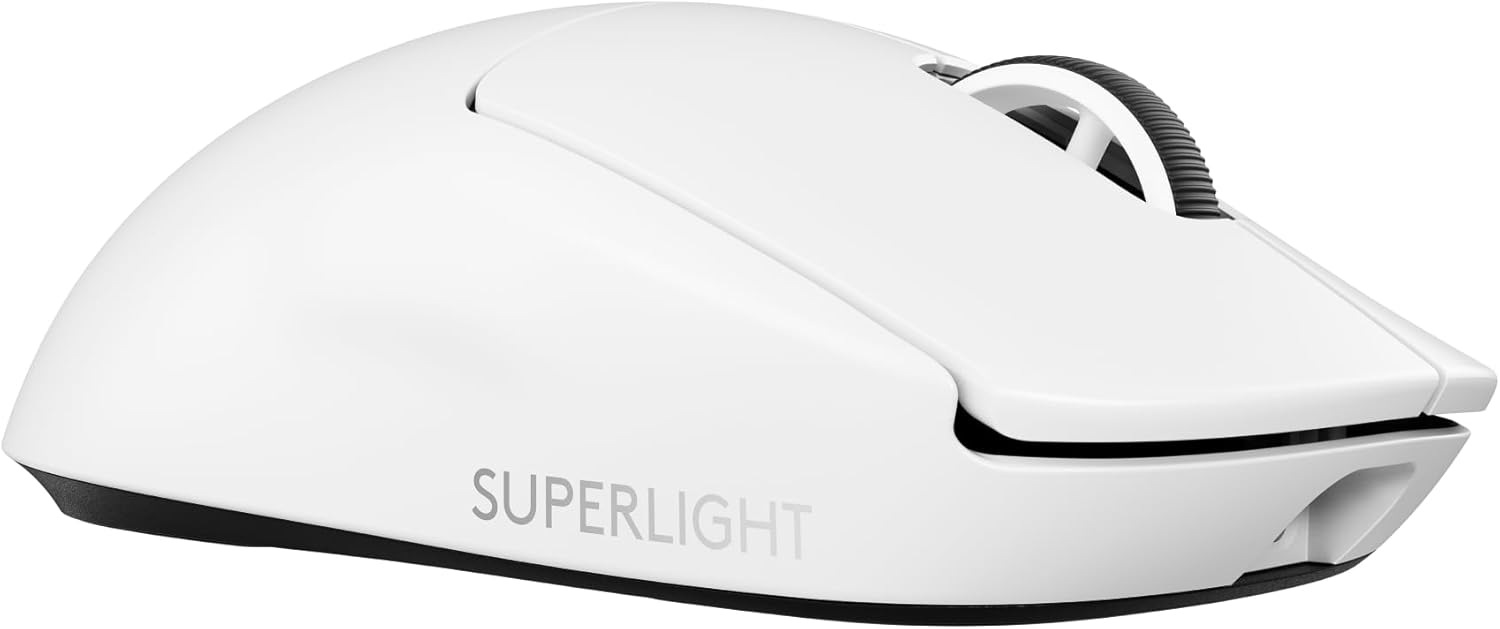
At 60 grams, the Logitech G Pro X Superlight 2 reigns supreme as the most widely used mouse in competitive esports tournaments. Its universally adaptable shape accommodates every grip style, and its 95-hour battery life makes it an extraordinarily dependable competitive tool.
Razer Viper V3 Pro
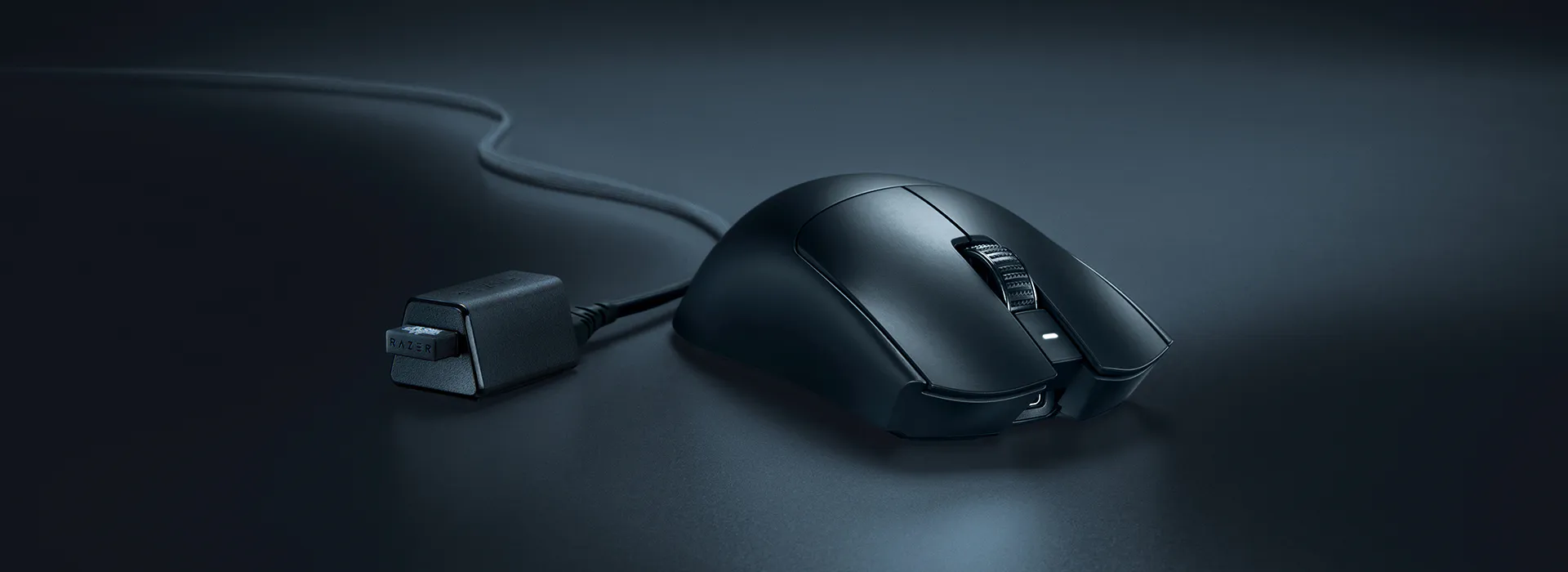
Weighing in at 54 grams, the Razer Viper V3 Pro delivers true 8000 Hz wireless polling out of the box paired with the industry's most advanced optical sensor (Focus Pro 35K Gen-2). Its refined symmetrical profile has made it a top weapon of choice across tier-one Valorant and CS2 pros.
The Hidden Compromises of Featherweight Mice
Shaving off every possible gram does not come without real-world drawbacks. It is essential to recognize what you surrender on the altar of extreme weight reduction.
First, battery endurance. To shave precious grams, manufacturers downsize battery packs. If you run higher polling rates like 4K or 8K Hz, you can chew through a full charge in under 24 hours, meaning frequent trips to the charging cable.
Second, durability and maintenance. Open-honeycomb or skeletonized magnesium designs accumulate dust, lint, and palm sweat over time. Regular blasts of compressed air become mandatory to keep the optical sensor lens clear. Furthermore, paper-thin structural shells offer little forgiveness if you tend to slam your mouse during tilted moments.
Finally, the price of entry. Deploying magnesium alloy tooling, carbon-fiber composites, and high-frequency wireless chips drives prices up significantly. Expect to spend north of $100 to $180 for top performers in this boutique category.
Verdict: Aim Revolution or Fleeting Trend?
The evolution toward ultra-lightweight gaming peripherals is far more than a passing fad. Once muscle memory adapts to a sub-40g mouse, returning to a traditional 80g or 100g chassis genuinely feels like pushing a brick across your desk. The effortless flick control and reduced physical friction deliver undeniable advantages in high-level competitive play.
That said, ultra-light gear will not magically transform an average aimer into a pro overnight. It functions as a precision instrument, stripping away physical resistance between your tactical reflexes and the screen. If you have honed your crosshair placement and want to unlock the absolute limit of flick responsiveness, making the jump below 45 grams is a rewarding upgrade.

SEO consultant for over 20 years and digital entrepreneur, Charles 'Grimtag' Ronchain is the founder of Pro-Gamer.gg, Retrocharting.com, and Gamescharting.com. A competitive gamer, streamer, and retro game collector, he has worked in the video game industry for over 15 years, notably as a consultant for leading game price comparison platforms. Passionate about real-time performance data and gaming technology, he analyzes competitive esports, gaming hardware benchmarks, and creator workflows on Pro-Gamer.gg with an authentic player perspective.