After Aerith and Sephiroth: AMD's Gainsborough APU Leak Unveils the Steam Deck 2 Processor
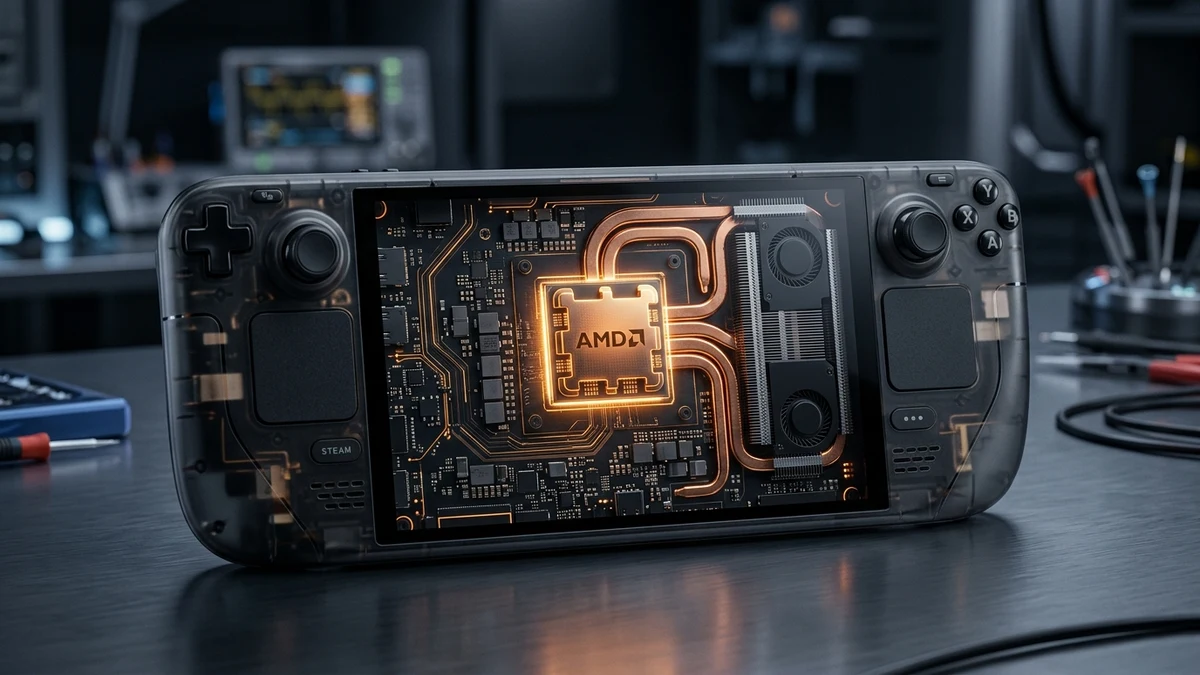
The semi-custom engineering pipeline between AMD and Valve adheres to an iconic pop-culture ritual well understood by dedicated hardware enthusiasts. Back in early 2022, the original LCD Steam Deck launched with a custom Van Gogh processor designated internally under the codename "Aerith". In late 2023, the 6nm OLED refresh arrived under the unmistakable tag of "Sephiroth".
Recent AMD graphics driver updates and dedicated hardware dataminers have now exposed traces of an unannounced semi-custom processor designated as "Gainsborough". For anyone familiar with Final Fantasy VII, the thematic lineage could not be clearer. Aerith Gainsborough has officially provided her family surname to the computing engine powering the future Steam Deck 2.
The Final Fantasy VII Codename Lore and Valve's Custom Silicon
Within AMD's internal roadmaps, this specific nomenclature is never accidental. Standard commercial notebook APUs adhere to strict geographical designations such as Phoenix, Strix Point, Kraken, or Medusa. In contrast, AMD's semi-custom enterprise division reserves unique pop-culture names exclusively for tailored hardware produced in close collaboration with external console partners.
The uninterrupted sequence linking Aerith, Sephiroth, and now Gainsborough demonstrates that engineers at Valve and AMD are actively executing their next-generation hardware blueprint. Rather than selecting an off-the-shelf mobile component, Valve continues to employ a dedicated architecture team to build custom silicon aligned with its operating system.
TSMC 3nm Node and Dense Zen Architecture Tailored for 15W
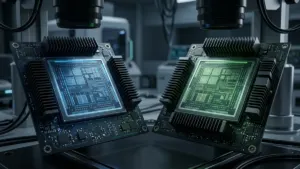
Technical details pulled from compilation manifests and corroborated by reputable hardware leakers such as Kepler_L2 highlight a critical transition in manufacturing technology. The Gainsborough APU targets TSMC's 3nm N3P semiconductor node. Transitioning to 3nm represents the mandatory engineering hurdle required to double performance-per-watt metrics over current 6nm and 7nm handheld silicon.
On the computational side, the processor leverages dense Zen 5c or Zen 6c CPU cores. These compact cores maximize multi-threaded efficiency while drastically suppressing idle power draw at conservative clock speeds. On the graphics side, AMD is integrating a modern RDNA architecture engine tuned specifically to deliver consistent frame pacing within a strict 15-to-20 watt thermal envelope.
Valve's Power Efficiency Philosophy Versus the Windows Handheld Market
This design methodology aligns completely with public declarations from Valve engineers Pierre-Loup Griffais and Lawrence Yang. Both designers have insisted across multiple interviews that a true Steam Deck 2 will not launch until semiconductor advancements allow a generational leap in performance without sacrificing battery longevity.
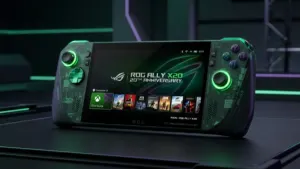
That restraint contrasts sharply with competing Windows-based handhelds. Competitors like the Asus ROG Ally and Lenovo Legion Go have relied on brute-force power delivery, pushing APUs up to 25 or 30 Watts while draining battery reserves within sixty minutes. Valve's power architecture remains so structurally advantageous that Valve officially adapted SteamOS for the ROG Ally and Legion Go to help mitigate thermal strain on rival machines.
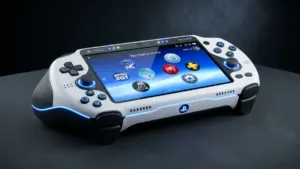
With Gainsborough currently working its way through AMD's driver manifests, the realistic launch window for the Steam Deck 2 points toward late 2027 or early 2028. This timeframe gives the 3nm wafer manufacturing curve sufficient time to mature, ensuring Valve can deliver next-generation portable gaming at an accessible consumer price point.

SEO consultant for over 20 years and digital entrepreneur, Charles 'Grimtag' Ronchain is the founder of Pro-Gamer.gg, Retrocharting.com, and Gamescharting.com. A competitive gamer, streamer, and retro game collector, he has worked in the video game industry for over 15 years, notably as a consultant for leading game price comparison platforms. Passionate about real-time performance data and gaming technology, he analyzes competitive esports, gaming hardware benchmarks, and creator workflows on Pro-Gamer.gg with an authentic player perspective.