“We Have That Base That We Can Build From”: Why Nintendo Avoids Layoffs and Keeps Its Zelda Veterans for Decades
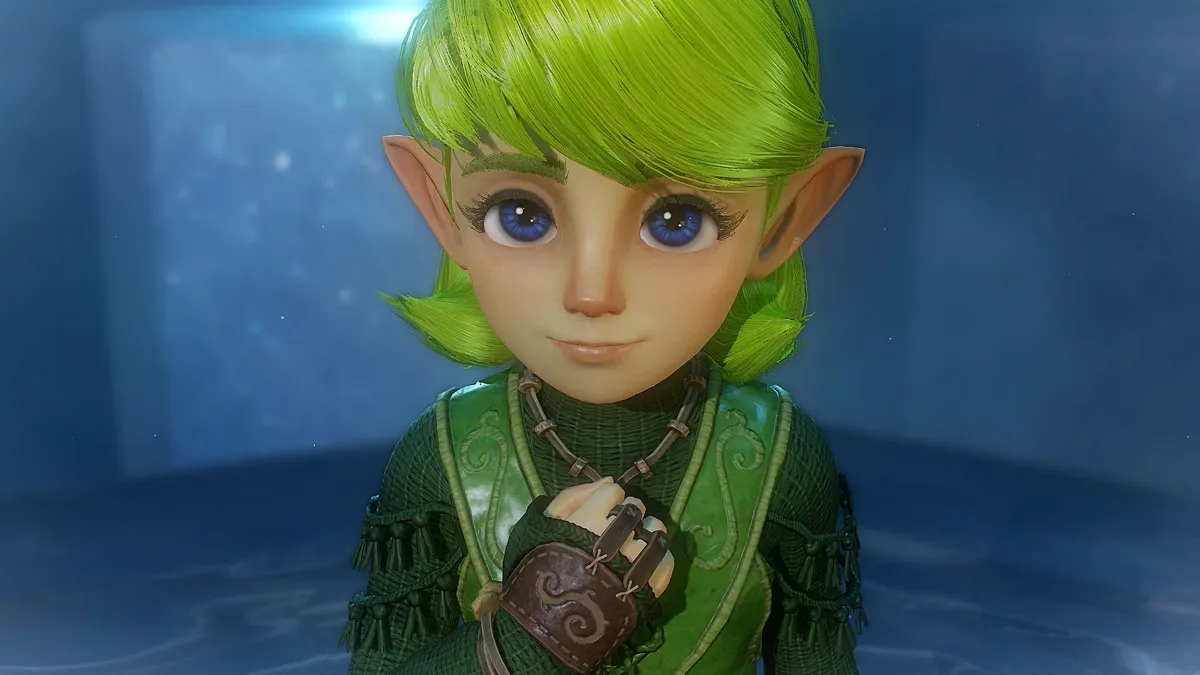
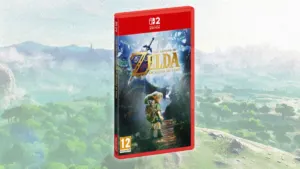
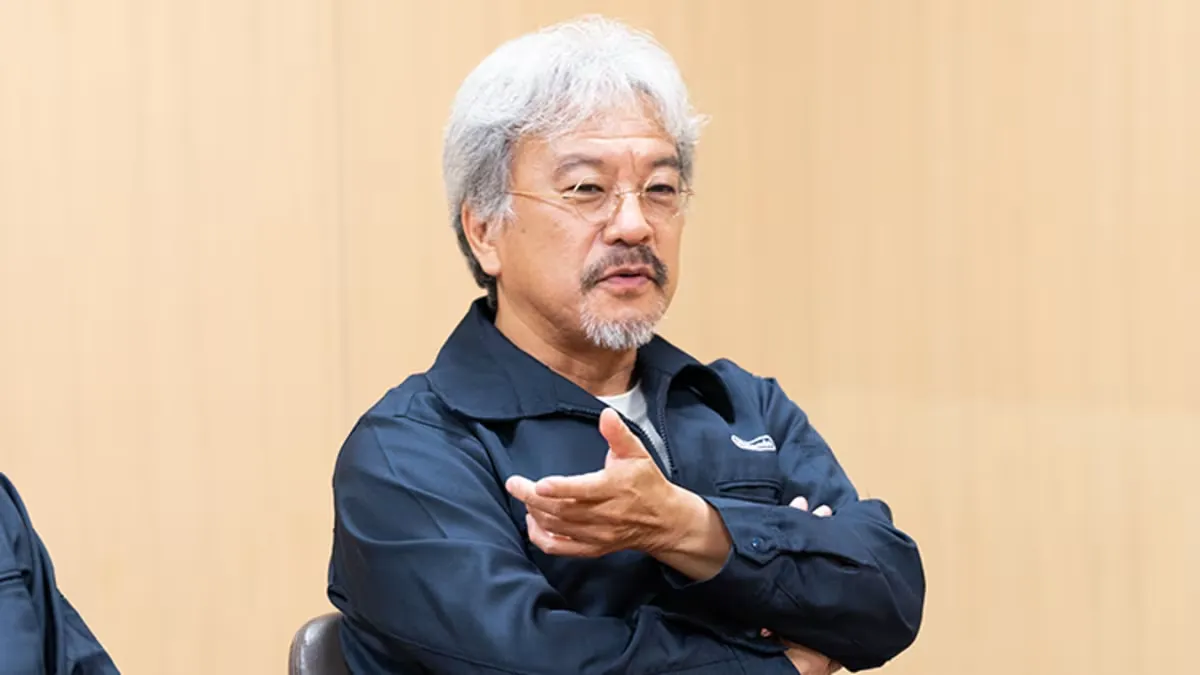
While Western publishers spend 2026 navigating relentless studio closures and sweeping restructures headlined by Microsoft's 3,200 job cuts across Xbox, Nintendo continues to operate on a starkly different philosophy in Kyoto. Speaking in New York on Thursday, November 5, 2026, to celebrate the global launch of the The Legend of Zelda: Ocarina of Time remake on Nintendo Switch 2, 38-year company veteran Eiji Aonuma and producer Hidemaro Fujibayashi pulled back the curtain on how Nintendo EPD nurtures its talent across generations.
Following their recent breakdown of the removal of Mario and Yoshi's courtyard portraits alongside the addition of a fifth empty bottle, the two franchise leads explained why keeping developers on the payroll for decades was the secret weapon behind building this 96-rated remake internally.
A Core Continuity Tracing Back to Shigeru Miyamoto
Unlike the 2011 Nintendo 3DS remaster handled by external partner Grezzo, Nintendo deliberately kept leadership of the Nintendo Switch 2 remake inside its own Entertainment Planning & Development (EPD) division, supported by Monolith Soft's contributions to the remake's game design, programming, and visual assets. For Eiji Aonuma, keeping the project in-house ensured that younger developers who had only ever built open-air titles like Breath of the Wild and Tears of the Kingdom could master the craft of classic, structured 3D dungeon and room design for future entries.
Asked in New York about Nintendo's rare commitment to multi-decade employee retention, a culture recently highlighted in Nintendo's official Ask the Developer Vol. 24 interview series when the team tracked down the original 1998 map artist still working at the company to illustrate the new Hyrule map, Aonuma emphasized the value of shared institutional memory:
“I think you see a real benefit to having some very long-term-tenured staff members around who have shared the same experiences over time because every time you get to the next step, it's easier to discuss how to proceed, or if you're going to do something new. When you have new staff coming in, of course you want to make sure that you're bringing everyone up with a lot of discussion, explaining how to do things, why you're doing things certain ways, as well as the language that you're using, but that takes some more time as well. So you need a bit of a balance. You don't want your new staff doing things by rote or without understanding the reasons, you have to invest there.”
Rather than freezing the team in place, maintaining that veteran anchor allows fresh talent to innovate without losing the soul of the series:
“And so you do see the Zelda team change over time, but there is a continuity of core staff, certainly at least from one project to the next, so that we have that base that we can build from and bring up new staff within it. And this is something that I think Nintendo has done for a very long time, even since Miyamoto originally worked on projects like this. And it contributes to some of the sense of continuity that you do feel in games in the Zelda franchise, for example.”
Strict 24-Hour Routines for Every NPC and ReDeads That Were “Way Too Scary”
That dialogue between veteran leads and ambitious newcomers directly shaped several standout upgrades on Nintendo Switch 2, including full 5.1-channel surround sound across all background music and a complete overhaul of how Hyrule's townsfolk live their daily lives.
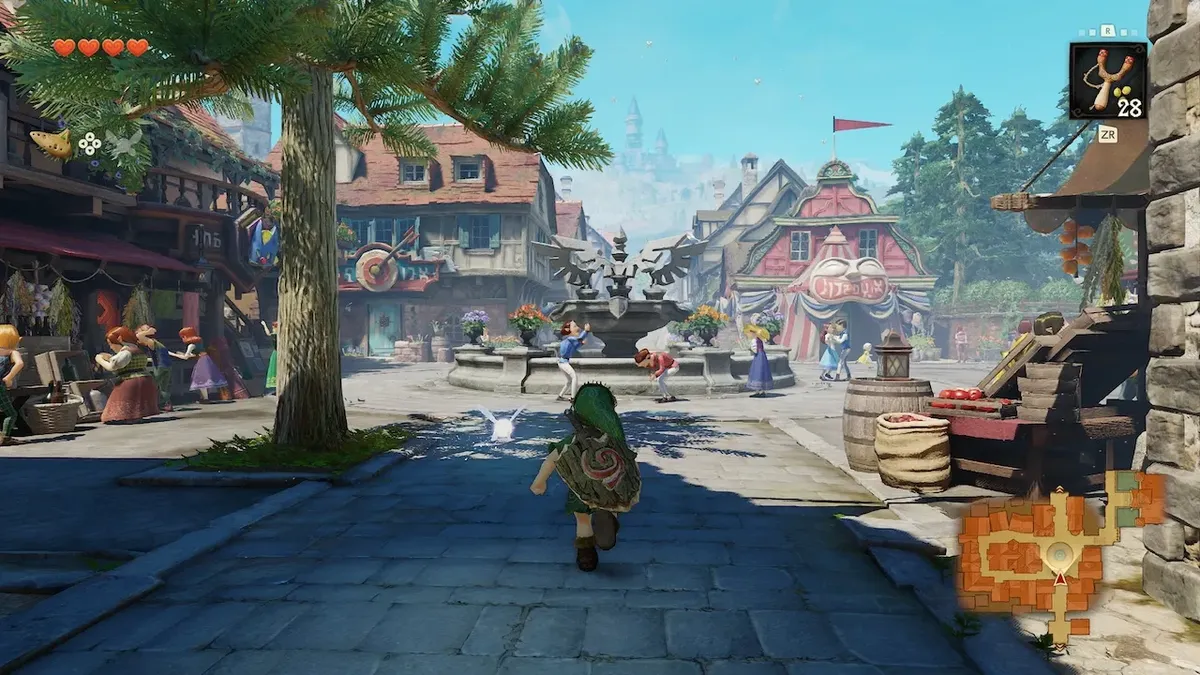
Hidemaro Fujibayashi revealed that while NPCs in the 1998 Nintendo 64 original followed relatively simple day-and-night loops, the remake's young director insisted on giving every single NPC in the game a strict 24-hour schedule:
“Before, in the original game, each NPC didn't have a strict 24-hour routine, but in this game, they do. The director said, 'We want to have a 24-hour routine for every NPC.' And in my mind, I was like, 'That's going to be a lot of work.' [laughs] And I told them, 'That's going to be a lot of work,' but they said they want to do it. So in my heart, I was like, 'Okay, I guess I'm committed.' Because on the one hand, I know it's going to be a lot of work, but I also didn't want to discourage the young staff from coming up with new ideas and taking on new challenges. So I had to roll up my sleeves and, on a daily basis, try to check as much of the dialogue as possible, working with the team, discussing what can be tweaked, what can be adjusted.”
At other times, the veteran producers had to step in when the younger staff pushed the Nintendo Switch 2 hardware a little too far. Fujibayashi shared three behind-the-scenes anecdotes from production:
- Dialing back terrifying ReDeads: Thanks to the massive leap in lighting, animation, and 5.1 audio fidelity on Switch 2, the team initially made the ReDeads “very, very scary” in their visuals, movements, and shrieks. Fujibayashi and Aonuma ultimately asked the team to dial them back a notch so they wouldn't distort the tone of the original adventure.
- “Memory erasure” playtesting: To test 3D room navigation and revised dungeons like the Water Temple, senior veterans including Aonuma and Fujibayashi practiced what they call “memory erasure”, pretending they had forgotten everything about the 1998 game and exclaiming, “Oh, my god, I don't know why the door's not opening” while younger testers asked if they were feeling okay.
- Aonuma's trump card when challenging legacy design: Whenever Aonuma struggled with a puzzle during beginner-mindset playtests and a young developer defended it by saying, “But that's how it was in the original,” Aonuma would laugh and reply: “Well, yes, of course, I know. I worked on the original, I was there!” For the longtime producer, "that's how it was before" was never an acceptable excuse to stop analyzing how a modern player experiences Hyrule.
My Take
After spending most of 2026 watching Western publishers gut entire studios the second a quarterly spreadsheet dips by half a percent, hearing Eiji Aonuma calmly explain that keeping developers around for thirty years actually makes better video games feels like common sense from another planet. You can feel that security in every corner of this Switch 2 remake: only a young team that isn't terrified of getting laid off after launch would dare walk up to Hidemaro Fujibayashi and sign him up to proofread 24-hour routines for every single villager in Hyrule! Now I just need Nintendo to patch in an optional toggle for that "way too scary" early build of the Market Town ReDeads.

SEO consultant for over 20 years and digital entrepreneur, Charles "Grimtag" is the founder of Pro-Gamer.gg, Retrocharting.com, and Gamescharting.com. A competitive gamer, streamer, and retro game collector, he has worked in the video game industry for over 15 years, notably as a consultant for leading game price comparison platforms. Passionate about real-time performance data and gaming technology, he analyzes competitive esports, gaming hardware benchmarks, and creator workflows on Pro-Gamer.gg with an authentic player perspective.