Pulled From the NVIDIA Store, Sold at $2,200, and Replaced by December: Why the 16GB GeForce RTX 5080 Is Vanishing
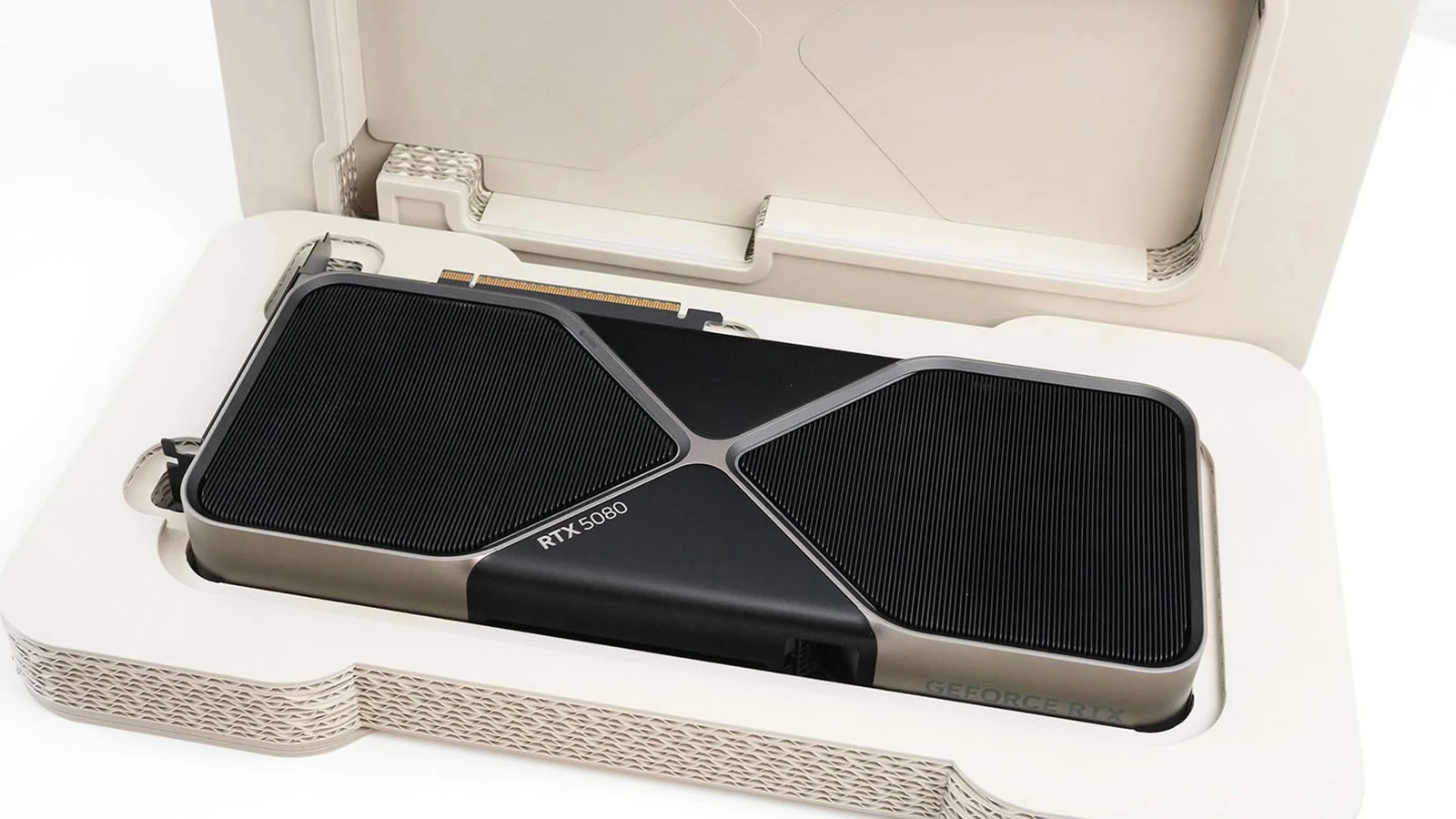
Tracking down a flagship Blackwell graphics card at its official retail price has turned into an uphill battle for PC builders. Just two weeks after pulling its top-tier halo card, and shortly after NVIDIA publicly denied rumors of halting GeForce RTX 5090 production despite tight supply constraints, the 16GB GeForce RTX 5080 has now vanished from the company's official U.S. online store. This quiet removal arrives right as third-party street prices pass double the original MSRP and supply chain partners prepare for an accelerated GeForce RTX 5080 24GB rollout starting in December 2026.
The GeForce RTX 5070 Ti Is Now the Fastest GPU Listed on NVIDIA's US Marketplace
Checking the product filters on the official NVIDIA US Marketplace reveals how quickly the upper echelon of the Blackwell lineup has thinned out. Following the removal of the RTX 5090 in mid-October, the store's GPU selection menu no longer lists the GeForce RTX 5080 at all. Both NVIDIA's own Founders Edition and custom partner boards have been scrubbed from the storefront.
As a result, the official marketplace now tops out at the GeForce RTX 5070 Ti, followed by the RTX 5070, RTX 5060 Ti, RTX 5060, and RTX 5050. For enthusiasts hoping to secure an uninflated 4K graphics card at NVIDIA's baseline $999 MSRP, the disappearance closes off the primary direct-to-consumer channel.
Check Availability for GeForce RTX 5070 Ti on Amazon→
Climbing to 2.2x MSRP: Standalone Cards Now Cost as Much as Full Gaming PCs
With first-party inventory drying up, retail pricing across North America and Europe has surged. Across major storefronts including Walmart, Newegg, Best Buy, and Micro Center, remaining new listings for the 16GB GeForce RTX 5080 have climbed between $1,699.99 and $2,200+, reaching up to 2.2 times its $999 launch MSRP. In a striking market inversion, buyers are now seeing third-party RTX 5080 cards listed above the original $1,999 launch price of the flagship RTX 5090.
European retailers mirror the exact same trend, with custom models routinely exceeding €2,000 to €2,100. The markup on standalone graphics cards has become so steep that complete prebuilt gaming desktops equipped with an RTX 5080 have recently appeared on Amazon and local marketplaces for around $1,800 (€1,720), effectively matching or undercutting the price of the bare GPU in a box.
Check Availability for GeForce RTX 5080 on Amazon→
GeForce RTX 5080 24GB: NVIDIA Moves Up Its Refresh Window to December 2026
Behind the scenes, this inventory drought points directly to a hardware transition. According to distributor updates shared through the Asian supply chain network Board Channels (ChannelGate), NVIDIA has already cleared out its internal allocation of 16GB RTX 5080 GPU packages. Remaining partner inventory is projected to deplete over the next two months to clear the runway for its direct successor: the GeForce RTX 5080 24GB.
Originally expected deeper into the first quarter of 2027, NVIDIA has reportedly accelerated its rollout schedule. The upgraded 24GB variant could be unveiled as early as December 2026, with retail availability following in January 2027 around CES in Las Vegas. In the Chinese market, supply chain sources indicate that NVIDIA plans to phase out both the 16GB RTX 5080 and the RTX 5090 D V2, positioning the 24GB RTX 5080 as its primary high-end gaming offering.
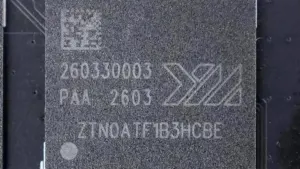
From an engineering standpoint, the 50% VRAM increase relies on denser memory chips at a time when AI data centers are absorbing an unprecedented share of global DRAM and GDDR supply. Rather than widening the 256-bit memory bus on the GB203 silicon (which retains its 10,752 CUDA cores), NVIDIA is swapping out the eight standard 2GB (16Gb) GDDR7 modules in favor of high-density 3GB (24Gb) GDDR7 chips. Here is how the two revisions compare:
| Specification | GeForce RTX 5080 (16GB) | GeForce RTX 5080 (24GB) |
|---|---|---|
| Graphics Processor (GPU) | NVIDIA GB203 (Blackwell) | NVIDIA GB203 (Blackwell) |
| CUDA Cores | 10,752 | 10,752 (expected) |
| VRAM Capacity | 16GB GDDR7 (2GB modules) | 24GB GDDR7 (3GB modules) |
| Memory Bus | 256-bit | 256-bit |
| Retail Status | Pulled from NVIDIA US Store (stock depleting) | Targeted December 2026 reveal / January 2027 launch |
My Bench Test: Why 24GB Should Have Been the RTX 5080 Standard From Day One
When I first tested the Blackwell lineup on our hardware bench, the 16GB buffer on a $1,000+ graphics card stood out as its single biggest limitation. Once you enable full 4K Path Tracing alongside Multi Frame Generation and high-resolution texture packs in modern engines, 16GB of VRAM leaves very little headroom compared to the massive 32GB pool on the RTX 5090.
Moving to 3GB GDDR7 modules to deliver 24GB across a 256-bit bus finally gives the GB203 chip the memory capacity it deserved at launch. That said, I strongly advise against panic-buying a 16GB model at $2,000 from third-party sellers right now. The real test this winter will be whether NVIDIA keeps the 24GB refresh close to the original $999 baseline or uses soaring GDDR7 memory costs to justify another price hike.

PC hardware enthusiast and competitive gamer, Arthur 'Heimdall' splits his time between France and the UK working in enterprise B2B software solutions. A business school graduate passionate about component benchmarking, he has been building, modding, and tuning PCs since childhood, optimizing every thermal degree and millisecond of display latency. An avid gamer across Assassin's Creed and sandbox titles, he forged his alliance with Grimtag and Chaya during late-night World of Warcraft raids before joining Pro-Gamer.