"Those Rumors Are Not True": NVIDIA Denies Halting GeForce RTX 5090 Production While Admitting Supply Remains Constrained
Facing mounting frustration from PC builders and enthusiasts staring at empty retail shelves, NVIDIA has officially stepped in to set the record straight. Speaking to reporters and Taiwan's Central News Agency on the sidelines of the official RTX Spark event in Taipei, Jeff Fisher, NVIDIA's Senior Vice President of the Personal Computing (PC and GeForce) division, flatly denied rumors that the flagship GeForce RTX 5090 has been discontinued.
Jeff Fisher's Clarification in Taipei: The RTX 5090 Is Not End-of-Life
When asked directly about widespread industry chatter claiming that the top-tier Blackwell gaming card had reached End-of-Life (EOL) status or seen its manufacturing lines shut down, the longtime GeForce executive stated unequivocally that the rumors "are not true."
According to Fisher, the GeForce RTX 5090 remains in active production and will continue shipping to board partners and retail channels. At the same time, he openly acknowledged that manufacturing capacity and supply for the flagship card remain "somewhat constrained," stressing that NVIDIA is doing "everything it can to get the product on the market" while reiterating that the company would not be where it is today without PC gamers and the GeForce ecosystem.
GB202 Silicon and GDDR7 Memory: Why the Supply Bottleneck Persists
This official rebuttal arrives just days after supply chain reports fueled fears of 5,500-euro price tags and a potential RTX 5090 production halt driven by AI prioritization across major retail markets.
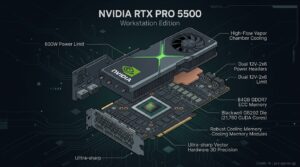
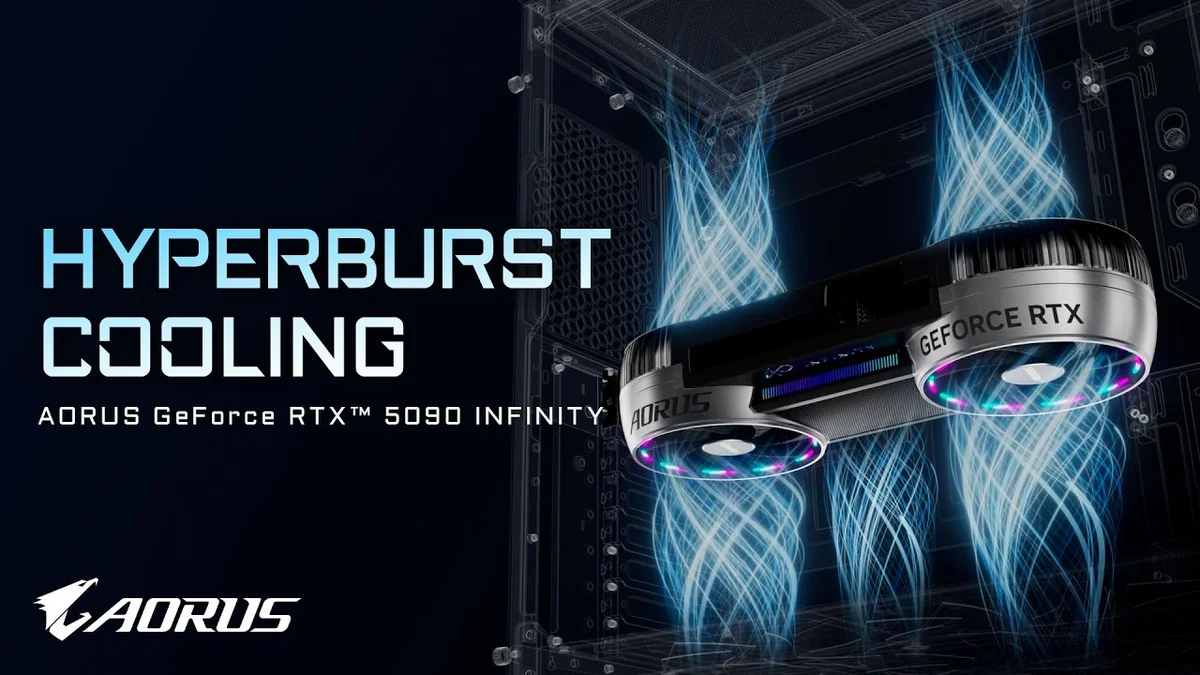
From a hardware manufacturing standpoint, the supply constraints acknowledged by Fisher stem directly from the silicon under the hood. Each GeForce RTX 5090 relies on the massive monolithic GB202 die fabricated on the TSMC 4NP process node (packing 21,760 active CUDA cores across a 512-bit memory bus) paired with 32GB of GDDR7 memory and a 575W power envelope. Crucially, that exact same GB202 silicon and high-density GDDR7 memory pool are shared with ultra-lucrative workstation accelerators such as the 84GB GDDR7 RTX PRO 5500 Blackwell and the RTX PRO 6000, which command profit margins several times higher than the consumer card's $1,999 MSRP.
My Take
Reading between the lines of Jeff Fisher's statement in Taipei, there is a critical distinction every high-end PC builder needs to keep in mind this fall: "still in production" does not mean abundant retail stock. As long as every TSMC wafer of GB202 silicon can be sold for three to four times more money inside a professional RTX PRO workstation card, the allocation reserved for consumer GeForce RTX 5090 boards will remain on a tight leash. The card is not officially dead on NVIDIA's roadmap, but for buyers hoping to find one anywhere near MSRP, severe scarcity will remain the reality well into 2027.

PC hardware enthusiast and competitive gamer, Arthur 'Heimdall' splits his time between France and the UK working in enterprise B2B software solutions. A business school graduate passionate about component benchmarking, he has been building, modding, and tuning PCs since childhood, optimizing every thermal degree and millisecond of display latency. An avid gamer across Assassin's Creed and sandbox titles, he forged his alliance with Grimtag and Chaya during late-night World of Warcraft raids before joining Pro-Gamer.