Monolith Soft Details Its Role on Zelda: Ocarina of Time: Game Design, Programming, and Graphics
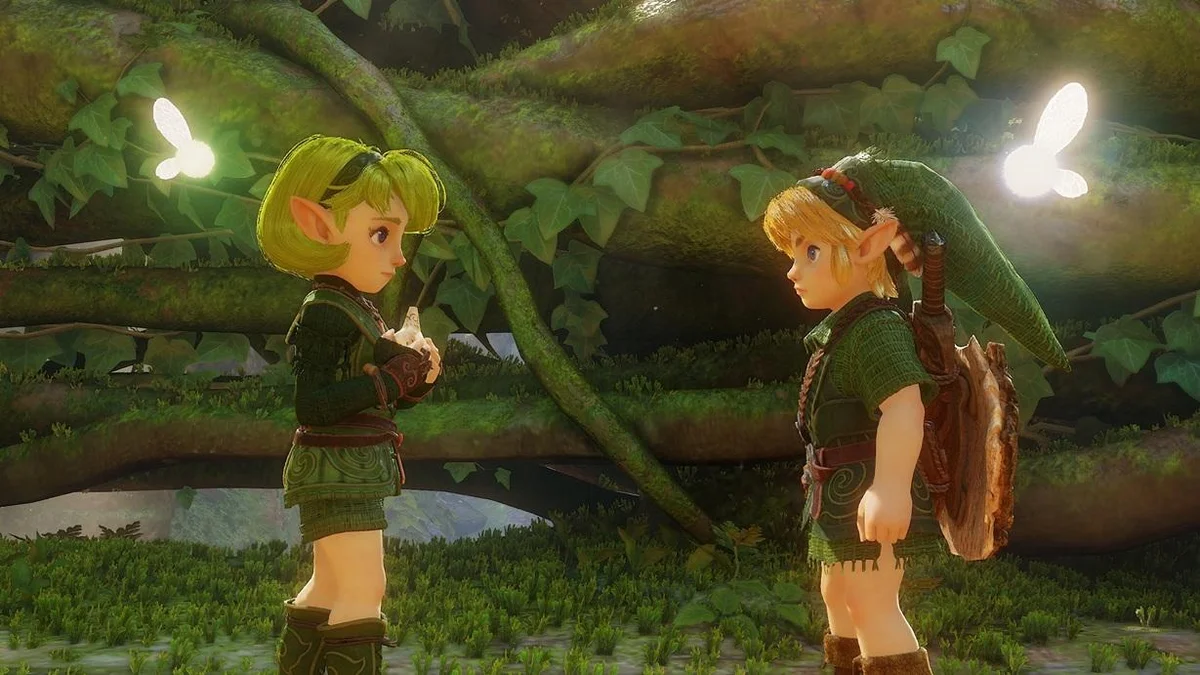
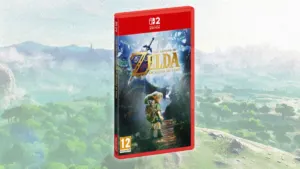
For months prior to its official reveal, persistent industry rumors claimed that the creators of Xenoblade Chronicles were single-handedly leading the ground-up remake of the 1998 classic. On Thursday, November 5, 2026, coinciding with the worldwide launch of The Legend of Zelda: Ocarina of Time on Nintendo Switch 2, Japanese developer Monolith Soft has officially stepped forward. Through a formal announcement on its corporate portal and social media channels, the Nintendo subsidiary has detailed the exact scope of its contributions to the project.
Game Design, Programming, and Graphics: Targeted Support Alongside Nintendo EPD
In its official statement published on November 5, 2026, Monolith Soft confirmed that it handled "partial contract development of the game design, programming, and graphics" for The Legend of Zelda: Ocarina of Time, published by Nintendo Co., Ltd. for Switch 2. This clarification puts a definitive end to early speculation sparked by European retail listings that mistakenly credited Tetsuya Takahashi's studio as the sole developer behind the remake.
As Nintendo explained earlier this week when detailing the ground-up code reconstruction of Ocarina of Time by Nintendo EPD Production Group No. 3, primary leadership remained firmly in-house in Kyoto. Supervised by series producers Eiji Aonuma and Hidemaro Fujibayashi, core development was spearheaded by director HokWai Ng, programming director Hiroki Taguchi, art director Aya Shida, and sound director Masato Ohashi. In the end credits now rolling for players worldwide, Monolith Soft is officially listed under the "Special Thanks" section for its targeted co-development support.
A Full-Circle Moment for a Studio Founded One Year After the Nintendo 64 Original
Spotting Monolith Soft in the credits of Ocarina of Time carries special historical weight. When the original masterpiece redefined 3D action-adventure design on the Nintendo 64 in November 1998, the studio did not yet exist: founded on October 1, 1999, by Tetsuya Takahashi and Hirohide Sugiura before becoming a Nintendo subsidiary in 2007, the company never had the chance to work on the 1998 landmark.
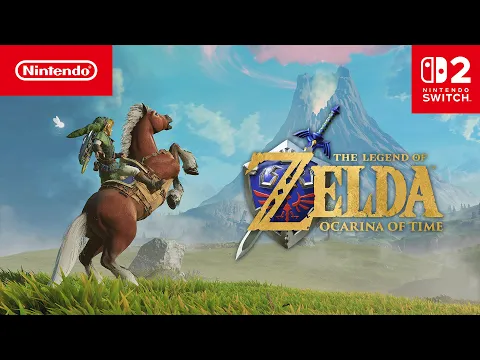
With today's launch alongside the rollout of the 343 MB update 1.1.1 unlocking Zelda Notes, Monolith Soft adds a fifth major entry in The Legend of Zelda franchise to its official portfolio of works. Over the past fifteen years, its Tokyo and Kyoto divisions have become Nintendo EPD's most trusted co-development partner across Hyrule's history:
- The Legend of Zelda: Skyward Sword (Wii, November 2011)
- The Legend of Zelda: A Link Between Worlds (Nintendo 3DS, December 2013)
- The Legend of Zelda: Breath of the Wild (Nintendo Switch and Wii U, March 2017)
- The Legend of Zelda: Tears of the Kingdom (Nintendo Switch, May 2023)
- The Legend of Zelda: Ocarina of Time (Nintendo Switch 2, November 2026)
Six Nintendo Switch 2 Productions Already Under Monolith Soft's Belt
The addition of the remake to the Nintendo Switch 2 tab on Monolith Soft's corporate catalog also highlights the studio's remarkable output since the new hardware arrived. Within just seventeen months, its support teams have contributed partial contract development to three flagship Nintendo first-party releases: Mario Kart World (June 5, 2025), Splatoon Raiders (July 23, 2026), and now The Legend of Zelda: Ocarina of Time (November 5, 2026).
Alongside its engineering and artistic backing for Kyoto's internal divisions, the studio also delivered native Nintendo Switch 2 Edition upgrades for its own acclaimed RPG catalog, including Xenoblade Chronicles X: Definitive Edition, Xenoblade Chronicles: Definitive Edition, and Xenoblade Chronicles 2. Even when not sitting in the solo director's chair, Monolith Soft's programmers, designers, and artists remain an indispensable pillar of Nintendo's Switch 2 pipeline.
My Perspective
This official breakdown finally puts months of wild pendulum swings to rest. For half a year, I watched early leaks insist Monolith Soft was building the entire remake solo, only for the conversation to swing to the opposite extreme on Tuesday when Nintendo's developer interview spotlighted EPD Production Group No. 3 alone. The reality is the exact creative partnership I have admired since Breath of the Wild: Nintendo EPD holds the creative helm while leaning on Monolith Soft's veteran designers, programmers, and environment artists to help bring Hyrule to life on Switch 2. For a studio founded in October 1999, just one year after Ocarina of Time first changed gaming forever on the N64, finally leaving its fingerprint on this timeless adventure feels like a wonderful full-circle milestone.

Based on the outskirts of New York City, Chaya 'Chayane' spent five years studying software engineering in Montreal before returning to her home state. A Full-Stack developer and Deep Learning AI architecture researcher, she explores neural networks and algorithmic optimization while engineering data pipelines for Retrocharting and Gamescharting alongside Grimtag. A gamer for over 20 years and an avid collector of Nintendo history and The Legend of Zelda, she explored World of Warcraft's Azeroth before bringing her deep technical background to video game analysis.