NVIDIA GeForce 8800 GTX Turns 20: How a $599 GPU With 128 CUDA Cores and 768 MB GDDR3 Conquered Crysis and Built an AI Empire
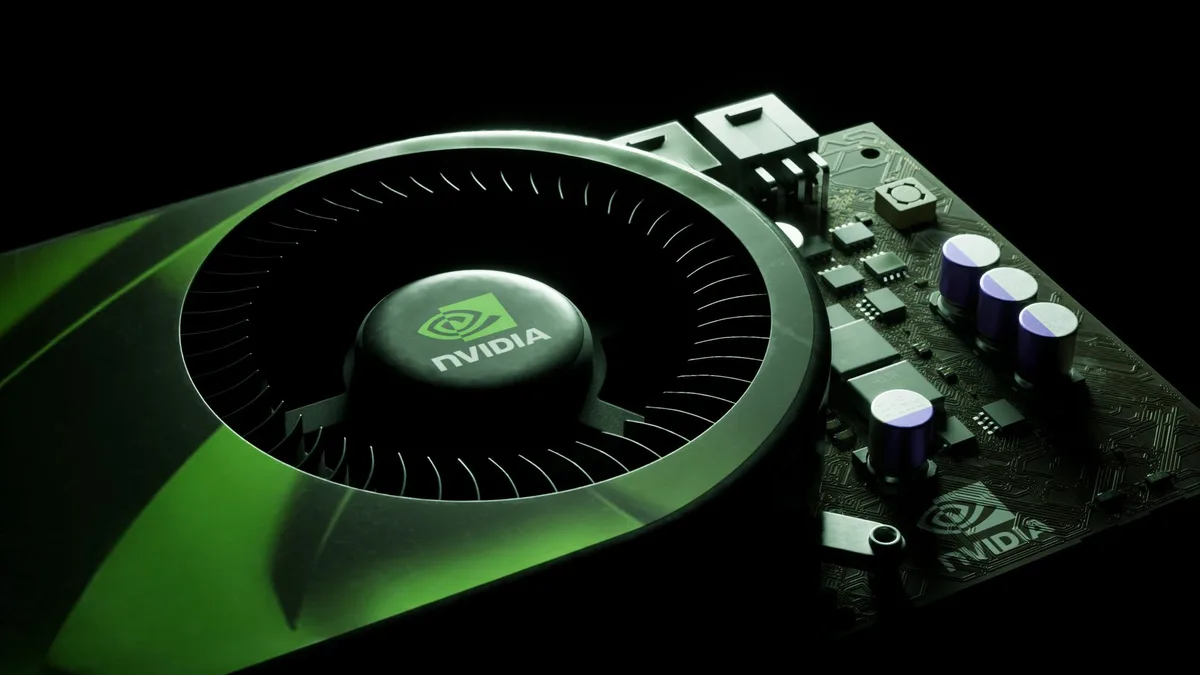
In November 2006, NVIDIA released a graphics card that permanently reshaped the trajectory of the computing industry: the legendary GeForce 8800 GTX. Twenty years later, the company is celebrating the 20th anniversary of this silicon milestone built on the Tesla G80 architecture. As the very first GPU powered by CUDA cores, a pioneer of DirectX 10, and the only single-GPU powerhouse capable of taming Crysis at playable frame rates in 2007, the 8800 GTX laid the exact architectural foundation for general-purpose GPU computing and today's multi-trillion-dollar artificial intelligence boom.
Inside the Tesla G80 Architecture: 128 Unified CUDA Cores, 768 MB GDDR3, and a 384-Bit Bus
Throughout the first half of the 2000s, 3D graphics processors relied on a rigid split pipeline that physically separated geometry processing (Vertex Shaders) from pixel rendering (Pixel Shaders). Whenever a game engine demanded heavy pixel shading with modest geometry, pixel units hit a bottleneck while vertex hardware sat idle. With the Tesla architecture and its G80 die fabricated on TSMC's 90 nm node (packing 681 million transistors), engineers at NVIDIA tore down that wall completely.
Launching at an MSRP of $599 in November 2006, the GeForce 8800 GTX introduced a unified shader architecture driven by 128 Stream Processors clocked at 1,350 MHz, paired with a core GPU clock of 575 MHz (576 MHz nominal). Capable of dynamically reallocating workloads across vertex, pixel, geometry, and physics calculations on the fly, those 128 unified processors were the industry's very first CUDA (Compute Unified Device Architecture) cores.
Its memory subsystem was equally ahead of its time: 768 MB of GDDR3 VRAM wired across an unconventional 384-bit memory interface, delivering 86.4 GB/s of memory bandwidth. Rated between 155 W and 185 W TDP and powered by dual 6-pin PCIe connectors over a PCIe 1.0 x16 slot, this DirectX 10 (Shader Model 4.0) flagship became an instant icon as the go-to card capable of running Crysis, BioShock, and Company of Heroes at smooth frame rates without compromising visual settings.
From 681 Million to 92.2 Billion Transistors: Two Decades of Evolution Up to Blackwell
By transforming the GPU from a fixed-function 3D graphics renderer into a massively parallel processor programmable in C via the CUDA API, the G80 gave birth to modern GPGPU (General-Purpose computing on Graphics Processing Units) workloads. Every scientific simulation cluster and AI training datacenter running today traces its lineage directly back to the 128 stream processors inside the GeForce 8800 GTX.
Comparing the 2006 flagship against today's top-tier Blackwell (GB202) gaming GPU highlights both the staggering 304x leap in raw FP32 compute and the harsh economic reality of modern silicon, especially as the November 2026 factory price surge on the GeForce RTX 5090 and RTX 5080 pushes enthusiast hardware further out of reach:
| Specification | NVIDIA GeForce 8800 GTX (2006) | NVIDIA GeForce RTX 5090 (Blackwell) | 20-Year Generational Leap |
|---|---|---|---|
| Architecture / Die | Tesla / G80 | Blackwell / GB202 | Unified Shaders to Neural Rendering |
| Process Node | TSMC 90 nm | TSMC 4NP (5 nm class) | ~18x linear shrink |
| Transistor Count | 681 Million | 92.2 Billion | 135x increase |
| CUDA Cores | 128 (Stream Processors at 1,350 MHz) | 21,760 CUDA Cores | 170x increase |
| Core GPU Clock | 575 / 576 MHz | 2,017 MHz / 2,407+ MHz | 4.2x increase |
| Video Memory (VRAM) | 768 MB GDDR3 (384-bit bus) | 32 GB GDDR7 (512-bit bus) | 42.7x capacity increase |
| Memory Bandwidth | 86.4 GB/s | 1,792 GB/s (~1.8 TB/s) | 20.7x increase |
| FP32 Compute Power | 0.345 TFLOPS | 104.8 TFLOPS | ~304x increase |
| Max TDP / Launch MSRP | 155-185 W / $599 | 575 W / $1,999 (MSRP) | 3.34x official price increase |
NVIDIA Releases a Free Interactive Steam Demo Powered by Path Tracing and DLSS 4.5
To mark the 20th anniversary, NVIDIA has released an interactive experience on Steam titled GeForce 8800 GTX - 20 Years of a Legend, built by Unreal Engine artist Dylan Browne. The playable showcase transports PC enthusiasts straight back to a 2006 bedroom setup where players can unbox the original GeForce 8800 GTX retail package, inspect the dual-slot cooler up close, and slot the card into an NVIDIA nForce 680i motherboard complete with the unmistakable Windows Vista startup chime.
The virtual room is packed with period-authentic Easter eggs, including wall posters of classic NVIDIA tech demos (Froggy, Cascades, and Adrianne), vintage hardware magazines, and 3D models of iconic predecessors like the RIVA TNT2, GeForce 2, and GeForce 6800 Ultra. Ironically, this tribute to 2006 hardware serves as a demanding showcase for modern RTX features, running with full Path Tracing, DLSS 4.5 Ray Reconstruction, Dynamic Multi Frame Generation, and RTX Mega Geometry. Even with rumors of a 24 GB GeForce RTX 5080 for CES 2027 circulating, experiencing this nostalgic tribute at maximum settings requires serious modern Blackwell horsepower.
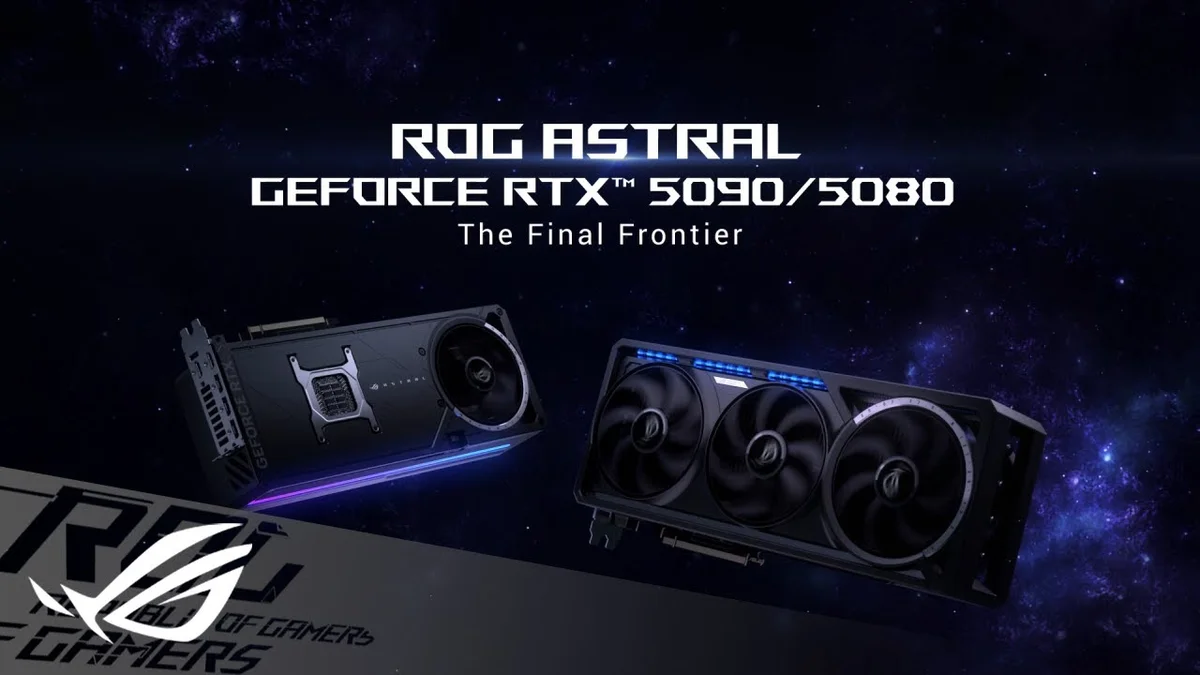
NVIDIA GeForce RTX 5080 / RTX 5070 Ti (16 GB GDDR7)
- NVIDIA Blackwell Architecture with 16 GB GDDR7 VRAM (256-bit)
- Native Path Tracing, DLSS 4.5 Ray Reconstruction, and Multi Frame Generation
- Built to run the interactive GeForce 8800 GTX 20th Anniversary Steam demo at max settings
My Take on the Spec Sheet
Looking back at the G80 spec sheet triggers a massive wave of nostalgia mixed with a sobering realization about where the PC GPU market stands in late 2026. Back in November 2006, $599 was considered steep, yet it bought you the uncut top-bin G80 die, a massive 384-bit memory bus, 768 MB of GDDR3 that felt bottomless at the time, and a revolutionary unified CUDA architecture that chewed through Crysis and stayed competitive for nearly half a decade. We have not yet had a physical unit on our desk,if the manufacturer's team would like to send over a review sample so we can put it through our full real-world testing protocol, our lab doors are wide open.
Here at the desk, we genuinely tip our hats to the teams at NVIDIA and artist Dylan Browne for crafting a Steam tribute that captures the exact magic of unboxing an nForce 680i rig in the Windows Vista era. Still, the irony is impossible to ignore: the very CUDA revolution born inside the 8800 GTX turned GPUs into the lifeblood of global AI datacenters, driving GDDR7 shortages and pushing real-world retail tags on today's flagship RTX 5090 well past $2,500 to $3,000. The GeForce 8800 GTX remains the gold standard of an era when flagship silicon existed first and foremost to push PC gaming forward.

PC hardware enthusiast and competitive gamer, Arthur 'Heimdall' splits his time between France and the UK working in enterprise B2B software solutions. A business school graduate passionate about component benchmarking, he has been building, modding, and tuning PCs since childhood, optimizing every thermal degree and millisecond of display latency. An avid gamer across Assassin's Creed and sandbox titles, he forged his alliance with Grimtag and Chaya during late-night World of Warcraft raids before joining Pro-Gamer.