RTX 5080 24GB at $1,500 for CES 2027: Inside the Rumored Paper Launch Replacing the 5090
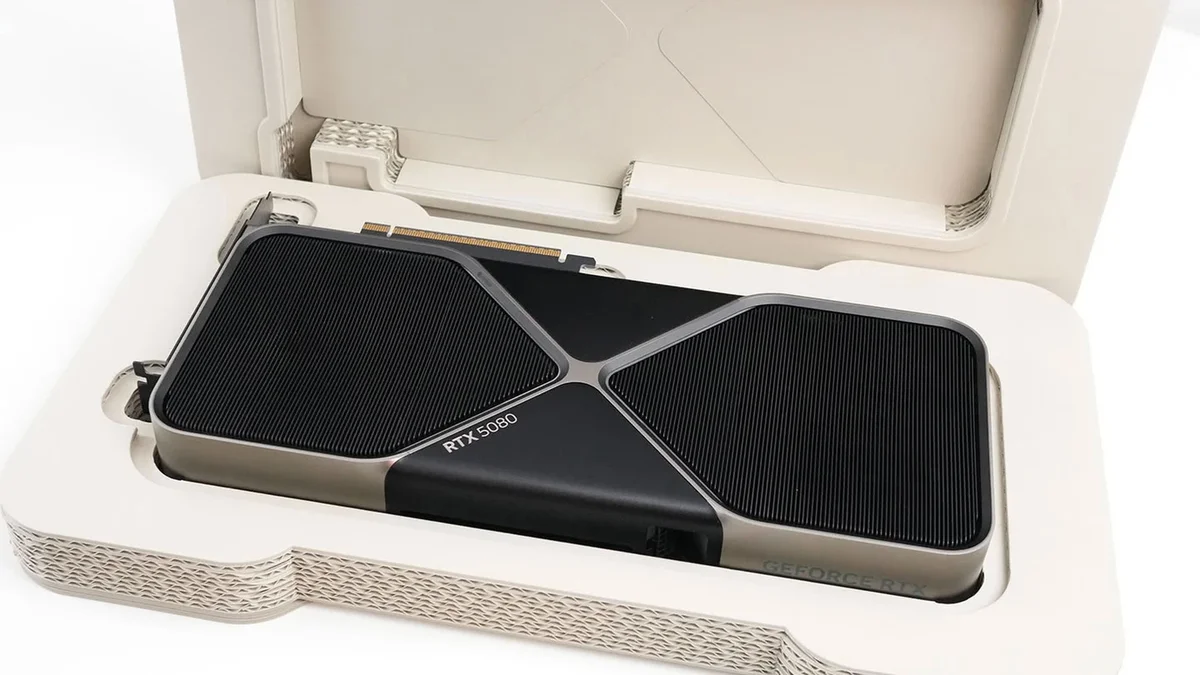
With the apparent discontinuation of both the flagship GeForce RTX 5090 and the baseline 16GB GeForce RTX 5080 on desktop shelves, Nvidia is preparing a single high-end successor to anchor its gaming lineup: the GeForce RTX 5080 24GB. According to a new November 4, 2026 clarification from hardware leaker Moore's Law Is Dead (MLID), Nvidia still plans to unveil the 24GB graphics card at CES 2027 in January, but PC builders face a harsh double reality: an expected $1,500 official MSRP and a pure paper launch with almost zero retail availability.
A CES 2027 Debut That Reconciles Missing AIB Partner Design Kits
Over the past week, supply chain reports seemed to pull in two different directions. While retail channels tracked the rapid phase-out of the original 16GB RTX 5080 to clear room for a 24GB GDDR7 refresh, board partner sources on Chinese Board Channels revealed that Nvidia had still not distributed final design kits for the 415W GB203-450 silicon to Add-in-Card (AIC) manufacturers by late October.
The latest update from Moore's Law Is Dead connects those dots. Because board partners typically require several weeks to engineer, validate, and mass-produce custom PCBs after receiving reference documentation, Nvidia has reportedly opted to announce and formally launch the GeForce RTX 5080 24GB at CES 2027 in January without waiting for volume inventory. In practice, MLID warns that the January debut will be a pure paper launch, leaving US and international retailers with virtually no stock on day one.
From $999 to $1,500 MSRP: Paying Flagship Money for 3GB GDDR7 Modules
Even more jarring for DIY enthusiasts is the pricing structure. Because Nvidia continues to divert flagship GB202 silicon toward high-margin AI data center accelerators, the revised RTX 5080 24GB will effectively step in as the top consumer GeForce SKU. According to MLID, Nvidia is targeting an official MSRP of around $1,500, representing a massive 50% jump over the $999 launch MSRP of the original 16GB RTX 5080.
Under the hood, the capacity upgrade swaps eight 2GB memory chips for denser 3GB (24Gb) GDDR7 modules running at 32 Gbps across the existing 256-bit memory interface, delivering 1 TB/s of memory bandwidth within a 415W total graphics power (TGP) envelope. However, with launch inventory expected to be non-existent in January, street prices for custom AIB models on Amazon US and Newegg are widely expected to soar well past $1,800 to $2,000 right out of the gate.
What This Means for US PC Builders in November 2026
This severe supply bottleneck at the top of the Blackwell stack is already reshaping the retail GPU market. As remaining 16GB RTX 5080 listings climb past $1,800 to $2,200 in the United States, frustrated buyers have increasingly looked elsewhere, a dynamic that directly explains how AMD recently outsold Nvidia in total GPU unit sales on Amazon US with the Radeon RX 9070 XT.
For gamers determined to build a 4K Blackwell system with full DLSS 5 and Multi Frame Generation support before January's paper launch drives prices even higher, the GeForce RTX 5070 Ti 16GB GDDR7 currently stands as the most realistic high-end option in stock across US retailers, currently trading between $1,200 and $1,700 depending on the partner variant.
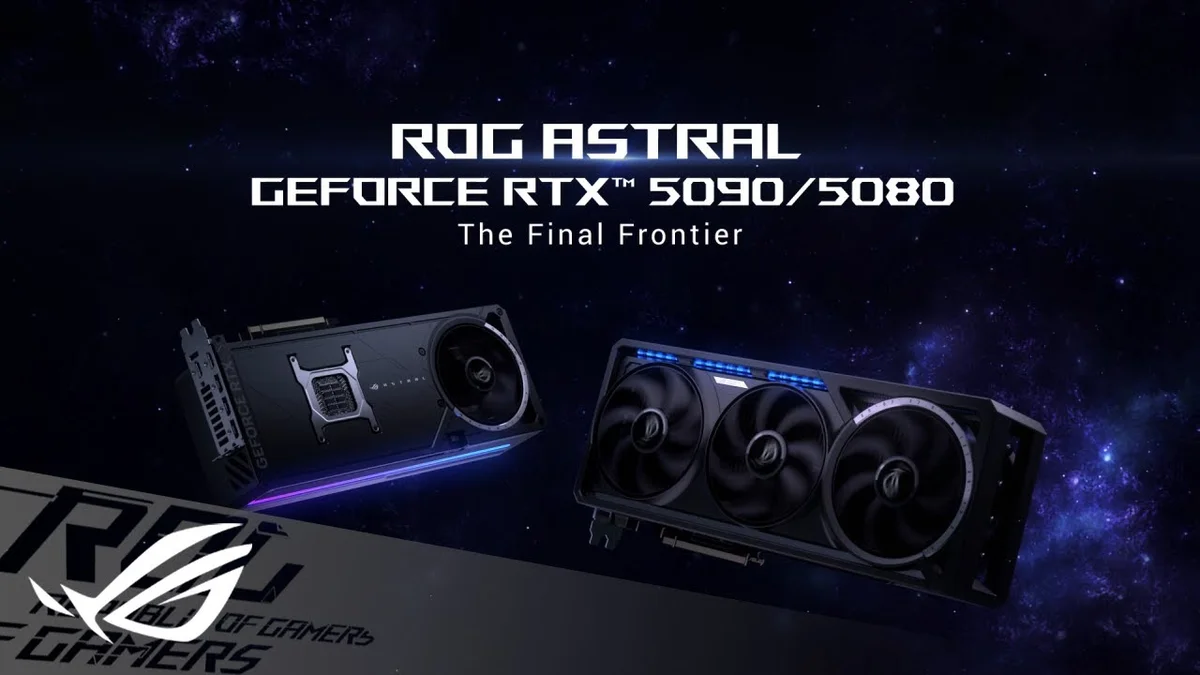
NVIDIA GeForce RTX 5080 (16GB GDDR7)
- NVIDIA Blackwell Architecture (GB203) with Full DLSS 5 Support
- 16GB GDDR7 Memory on 256-bit Bus
- Remaining Retail Inventory Ahead of CES 2027 24GB Refresh
- From $1,799 to $1,899 Across US Retailers
Check Availability GeForce RTX 5080 Availability on Amazon→
My Take on This Spec Sheet
Let's look at the silicon without the marketing filter: pairing the GB203 die with 24GB of 32 Gbps GDDR7 at 1 TB/s fixes the single biggest flaw of the original RTX 5080. At native 4K with full path tracing and neural rendering enabled, a 16GB buffer was always too tight for a flagship-class card. Moving to 3GB GDDR7 modules gives the architecture the breathing room it should have had on day one without requiring a wider memory bus.
When I evaluate frames per dollar and power efficiency, however, a $1,500 MSRP paired with a CES 2027 paper launch is a bitter pill to swallow. Using the disappearance of the RTX 5090 to hike an 80-class GPU by $500 officially while shipping virtually no stock leaves PC builders in a tough spot. We obviously do not have the GeForce RTX 5080 24GB on our test bench yet, though if NVIDIA wants to send a review sample over to our lab as soon as physical units roll off the line, I will gladly put those 415W thermals and 1 TB/s memory timings through our full torture suite.

PC hardware enthusiast and competitive gamer, Arthur 'Heimdall' splits his time between France and the UK working in enterprise B2B software solutions. A business school graduate passionate about component benchmarking, he has been building, modding, and tuning PCs since childhood, optimizing every thermal degree and millisecond of display latency. An avid gamer across Assassin's Creed and sandbox titles, he forged his alliance with Grimtag and Chaya during late-night World of Warcraft raids before joining Pro-Gamer.