415W GB203-450 Silicon and 1 TB/s VRAM: Why Nvidia Still Withholds GeForce RTX 5080 24GB Design Plans From Partners
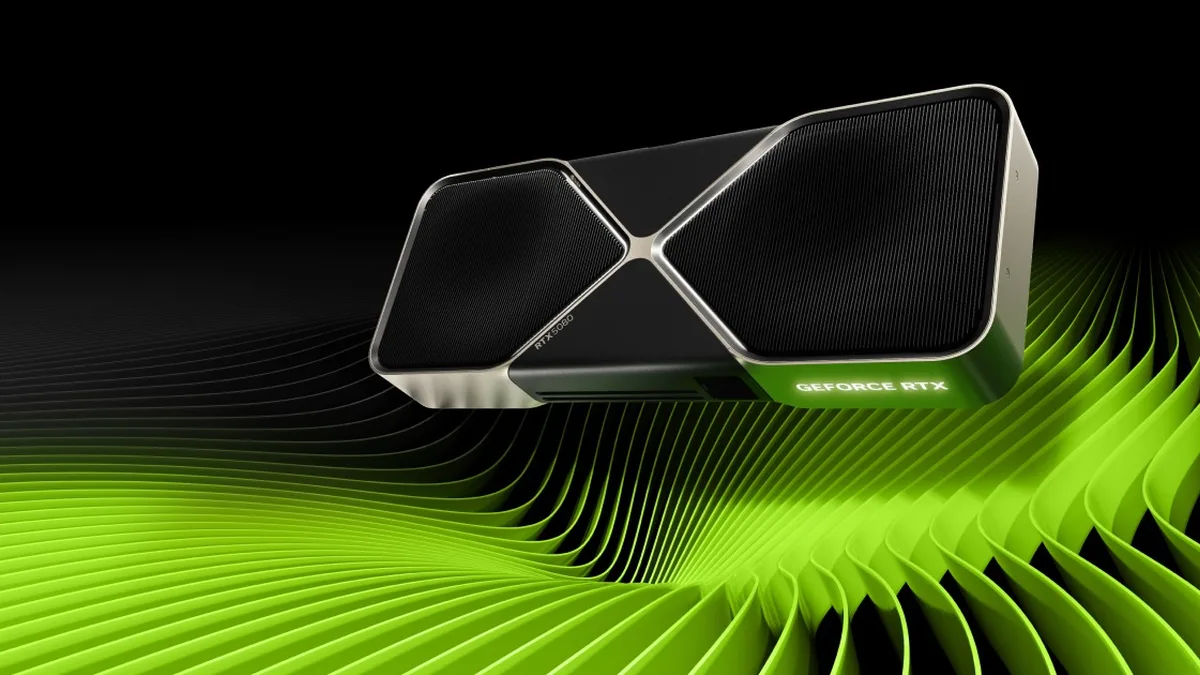
Just days after the GeForce RTX 5080 16GB vanished from Nvidia's official US Marketplace amid depleted initial chip inventories, supply chain realities in Asia are pouring cold water on hopes for a rushed holiday replacement. According to hardware channel tracking and feedback from Taiwanese and Chinese AIC (Add-in-Card) board partners responsible for manufacturing custom models, Santa Clara has still not distributed final design documentation as of early November 2026. This engineering hold-up makes a widespread retail launch in January 2027 alongside CES in Las Vegas increasingly unlikely.
Verbal Promises in October, Zero Schematics in November: The AIC Partner Bottleneck
In graphics card manufacturing, retail availability is bound by strict physical lead times. Earlier this autumn, Nvidia had originally planned to distribute the reference design materials and electrical schematics for the GeForce RTX 5080 24GB in October 2026. The GPU maker even verbally notified major board partners (including ASUS, MSI, Gigabyte, Zotac, Colorful, and GALAX) that the engineering packages were about to be shipped, only to hold back the release without locking in a finalized schedule.
Without those reference files in early November, engineering teams at partner brands cannot finalize mass-production prep. Between receiving final PCB layout rules, validating high-speed memory signal integrity, clearing the three standard hardware verification stages (EVT, DVT, and PVT), procuring bill-of-materials (BOM) components, and running factory assembly lines, an eight-to-twelve-week window is mandatory before cards can reach retail shelves. Even if Nvidia unveils the card during CES 2027 in January, realistic volume availability for custom partner models is now sliding deeper into the first quarter of 2027.
Check Availability GeForce RTX 5080 Availability on Amazon→
GB203-450 Silicon, 32 Gbps GDDR7, and a 415W Envelope: Why Board Partners Need Updated Specs
The reason board partners cannot simply drop denser memory chips onto existing 16GB RTX 5080 production lines without Nvidia's updated documentation comes down to significant electrical and thermal changes. Supply chain specifications indicate that the GeForce RTX 5080 24GB switches to a revised Blackwell die designated GB203-450 (replacing the original GB203-400). While retaining all 84 SMs and 10,752 CUDA cores of the full die, the new revision targets higher core clock frequencies out of the box.
Equally important is the faster memory subsystem. By swapping the eight 2GB (16Gb) GDDR7 modules rated at 30 Gbps for eight high-density 3GB (24Gb) GDDR7 chips running at 32 Gbps across the 256-bit bus, total memory bandwidth crosses the symbolic terabyte threshold to reach 1,024 GB/s (1 TB/s), up from 960 GB/s on the launch model. Feeding faster silicon and denser 32 Gbps memory pushes total board power (TGP) from 360W up to 415W. That extra 55W (+15.3%) requires AIC engineers to validate VRM power stages, vBIOS power limits, and cooler thermal capacity against Nvidia's official reference guidelines.
| Technical Specification | GeForce RTX 5080 (16GB) | GeForce RTX 5080 (24GB) |
|---|---|---|
| Blackwell GPU Silicon | GB203-400 (10,752 CUDA Cores) | GB203-450 (10,752 CUDA Cores, Higher Clocks) |
| VRAM Capacity & Modules | 16GB GDDR7 (8x 2GB / 16Gb Dies) | 24GB GDDR7 (8x 3GB / 24Gb Dies) |
| Memory Speed & Bus | 30 Gbps on 256-bit Bus | 32 Gbps on 256-bit Bus |
| Total Memory Bandwidth | 960 GB/s | 1,024 GB/s (1 TB/s) |
| Total Graphics Power (TGP) | 360W | 415W (+55W) |
| Expected Launch Window | Initial GPU Inventory Depleted | Q1 2027 (Awaiting AIC Design Files) |
GB202 Silicon Diverted to RTX PRO Workstations: The RTX 5080 24GB Becomes the New Gaming Flagship
This lineup reshuffle reflects a broader silicon allocation shift at Nvidia. At a time when global graphics card prices have already surged 35% in three months due to ongoing memory shortages, industry reports confirm that the massive GB202 silicon powering the GeForce RTX 5090 is increasingly reserved for high-margin RTX PRO workstation and AI accelerator boards.
With consumer RTX 5090 supply tightly constrained in favor of enterprise products, Nvidia is positioning the upcoming GeForce RTX 5080 24GB to take over as its de facto gaming flagship in 2027. However, given the steep contract prices of 24Gb GDDR7 memory modules and the upgraded 415W specification, retail pricing is expected to land above the $999 MSRP of the outgoing 16GB card.
My Take on the Spec Sheet: A Logical Silicon Upgrade, But Watch Out for AIB Pricing
From a pure hardware standpoint, this GB203-450 revision addresses every technical limitation of the original launch card. Pairing 24GB of VRAM with faster 32 Gbps GDDR7 modules to unlock 1,024 GB/s of bandwidth gives the GB203 die the memory headroom it always needed for native 4K Path Tracing. At the same time, jumping to a 415W TGP proves why board partners cannot cut corners: maintaining clean signal integrity at 32 Gbps on the PCB while dissipating an extra 55W of heat demands properly tuned VRM phases and vapor chambers, which explains why mass production cannot start until Nvidia hands over final design schematics.
To be completely transparent with our readers: we obviously have not had these new revisions in our lab yet. As soon as Nvidia and its AIB partners (ASUS, MSI, Gigabyte, and fellow board makers) finalize their retail designs in Q1 2027, our test bench is wide open if they would like to send over a review unit at launch so we can measure real-world GDDR7 thermals, 415W power delivery, and 4K frame-time gains firsthand. Until then, avoid overpaying for scalped 16GB stock.

PC hardware enthusiast and competitive gamer, Arthur 'Heimdall' splits his time between France and the UK working in enterprise B2B software solutions. A business school graduate passionate about component benchmarking, he has been building, modding, and tuning PCs since childhood, optimizing every thermal degree and millisecond of display latency. An avid gamer across Assassin's Creed and sandbox titles, he forged his alliance with Grimtag and Chaya during late-night World of Warcraft raids before joining Pro-Gamer.