$5 Billion From NVIDIA, AMD, and Intel Flows Into Taiwan: How the ABF Substrate Rush Shapes Next-Gen GPU and CPU Supply
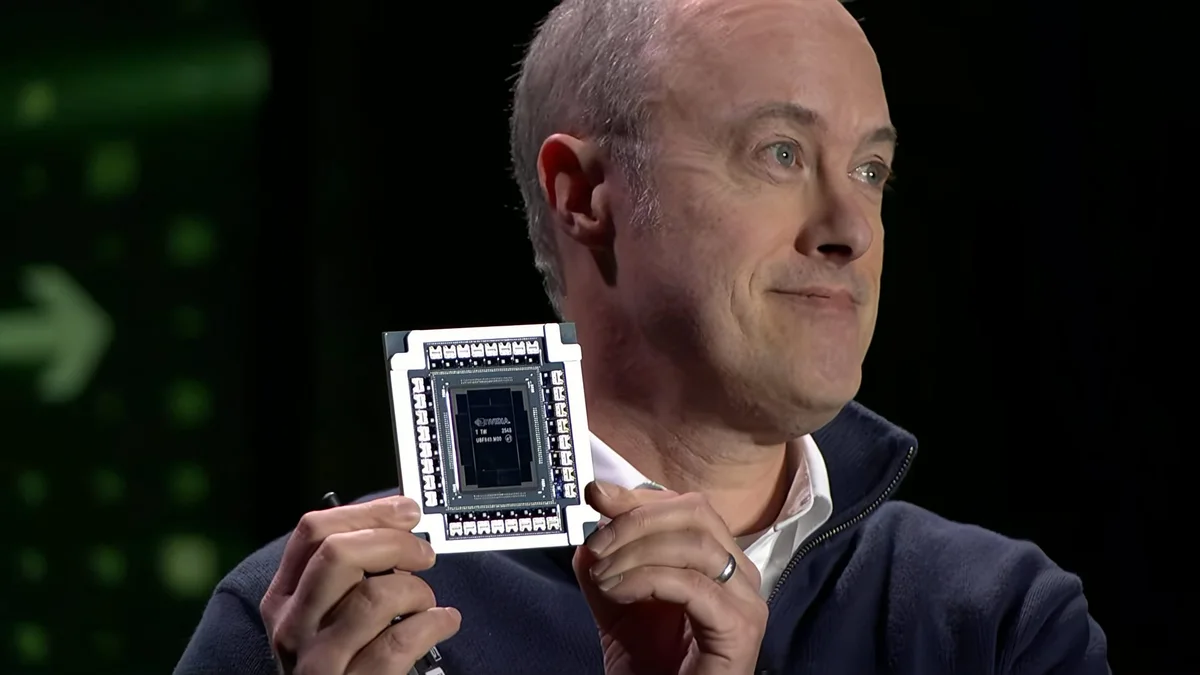
When PC builders and hardware analysts track component shortages or rising prices, most eyes naturally focus on silicon wafer allocation at TSMC or volatile memory pricing. Yet an equally critical link in the semiconductor chain is now dictating how many next-generation graphics cards and processors actually leave the fab: high-density ABF (Ajinomoto Build-up Film) IC substrates. According to supply chain figures reported in Taipei by Taiwan's Economic Daily News (United Daily News group), US chip giants Intel, NVIDIA, and AMD have committed a combined total estimated at $5 billion (roughly NT$162.9 billion, including well over NT$100 billion in direct prepayments) to lock in long-term manufacturing capacity at Taiwan's leading substrate fabricators.
How Intel, NVIDIA, and AMD Split the $5 Billion Capacity Lock
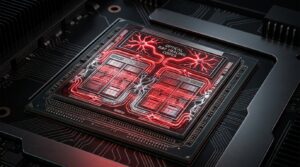
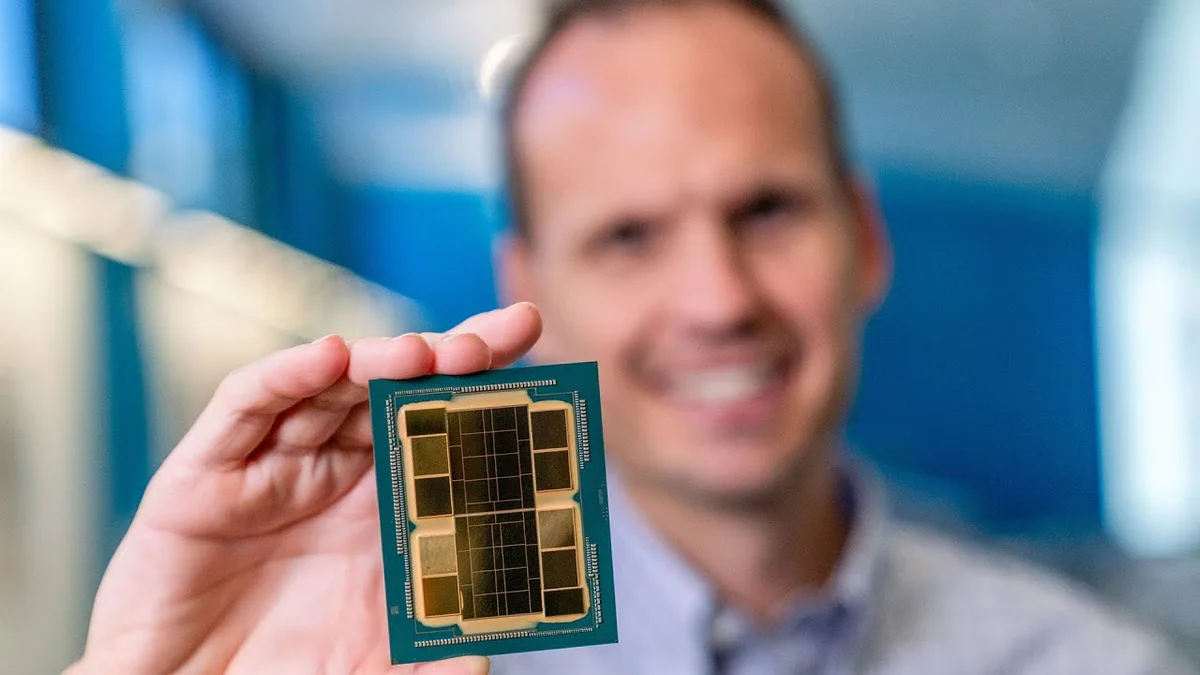
Without an ABF or FC-BGA (Flip-Chip Ball Grid Array) substrate, no modern GPU or multi-tile CPU can be assembled. This ultra-fine multilayer base provides the vital electrical and mechanical bridge between the microscopic silicon die, HBM memory stacks, and the main PCB of a graphics card or motherboard. As AI accelerators and high-end gaming architectures grow larger and push layer counts from 15 layers past 30 layers, a single flagship processor package now consumes 5 to 10 times the substrate production capacity of a conventional mainstream chip.
To prevent substrate bottlenecks from choking their 2026 and 2027 product roadmaps, the three chip designers have stepped in with massive financial commitments:
- Intel (roughly $3 billion): Intel CEO Lip-Bu Tan publicly noted that surging AI demand and advanced packaging requirements have severely tightened upstream IC substrate and material supplies. Several major Intel customers have even paid advance deposits directly to help lock down substrate allocations. Institutional estimates in Taiwan place Intel's long-term substrate capacity prepayments at approximately $3 billion.
- NVIDIA (roughly $1 billion): Following its large-scale supply chain expansion agreements with core global manufacturing partners, the maker of GeForce RTX GPUs and Blackwell and Rubin accelerators has deployed an estimated $1 billion into Taiwanese substrate capacity reservations, with room for further top-ups.
- AMD (roughly $1 billion): Out of its broader $10 billion investment initiative in Taiwan aimed at securing upstream supply lines, Lisa Su's company is directing roughly $1 billion toward locking in high-end substrate production for its EPYC, Instinct, and Ryzen architectures.
Check Availability for GeForce RTX 5080 and RTX 5090 on Amazon→
NT$161.2 Billion: Unimicron, Kinsus, and Nan Ya PCB Match Customer Prepayments Dollar for Dollar
The most striking figure in Taiwan's supply chain data is how closely customer prepayments mirror local factory spending. The $5 billion (NT$162.9 billion) flowing from NVIDIA, AMD, and Intel matches almost dollar for dollar the record NT$161.2 billion in cumulative capital expenditure announced this year by Taiwan's big three IC substrate makers: Unimicron, Kinsus, and Nan Ya PCB. While all three manufacturers decline to comment on specific client contracts, their boards of directors have greenlit historic plant expansions:
| Taiwanese Manufacturer | 2026 CapEx & Investment Scale | Key Factory Expansion Projects |
|---|---|---|
| Unimicron (欣興) | NT$53.7 billion (+NT$19.7B added) + NT$17.6 billion in long-lead equipment | Global ABF leader; acquired Bridgestone Taiwan's Hukou plant and land in late September for NT$10.08 billion. |
| Nan Ya PCB (南電) | NT$46.8 billion in new CapEx allocation | Building a new smart factory engineered for large-area, ultra-high-layer-count advanced IC substrates. |
| Kinsus (景碩) | NT$23.5 billion 3-year plan + NT$19.6 billion special project budget | Phasing out conventional PCBs to focus heavily on high-end ABF capacity (NT$8B deployed in 2026, including NT$6B for ABF). |
Upstream material costs are compounding the pressure. Japan's Ajinomoto, which controls over 90% of the global supply of the insulating build-up film used in ABF substrates, set a 30% price hike on its critical film, translating into a 3% to 6% cost increase on finished substrates delivered to packaging houses. Meanwhile, in South Korea, NVIDIA and Tesla have also backed multi-year investments with Samsung Electro-Mechanics to lock in five-year supplies of FC-BGA substrates. For PC enthusiasts, this multi-billion-dollar infrastructure race highlights how deeply next-gen hardware relies on high-layer interconnect materials, right as the latest AM5 motherboards like the Gigabyte B850 AORUS ELITE-P also scale up PCB quality to sustain PCIe 5.0 signaling.
My Test Bench
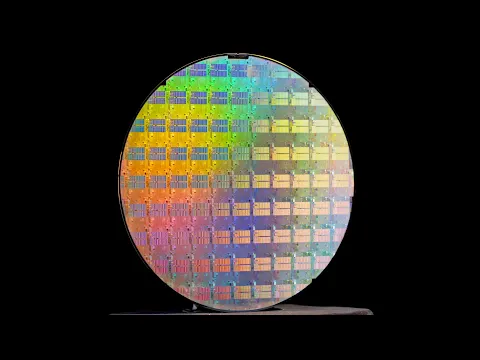
Whenever I tear down a flagship GPU or examine bill-of-materials trends on my test bench, I notice the same blind spot in community discussions: everyone debates 3nm or 4nm wafer pricing at TSMC, while almost nobody talks about the advanced substrate holding the chip together. Yet across the high-end graphics cards and 3D V-Cache processors I test, the physical size and layer density of that green ABF carrier have skyrocketed over the past three years.
Seeing Intel, NVIDIA, and AMD front $5 billion to bankroll the exact scale of Unimicron, Kinsus, and Nan Ya PCB's new Taiwanese factories sends a two-sided message for PC gamers. On the positive side, pre-funding those cleanrooms today helps prevent the kind of sudden packaging shortages that crippled GPU availability in previous cycles. On the flip side, with Ajinomoto raising ABF film prices by 30% and Taiwanese lines booked solid by high-margin AI server contracts, I do not expect bill-of-materials pressure on large-die gaming GPUs to ease anytime before 2027. While chipmakers fight a multi-billion-dollar turf war over every square millimeter of substrate, squeezing extra frame rates out of existing cards through upscaling breakthroughs like running AMD FSR 4.1.2 on modern GPUs or pairing your rig with an efficient X3D gaming CPU remains the smartest play you can make.
Check Availability for AMD Ryzen 7 9800X3D on Amazon→

PC hardware enthusiast and competitive gamer, Arthur 'Heimdall' splits his time between France and the UK working in enterprise B2B software solutions. A business school graduate passionate about component benchmarking, he has been building, modding, and tuning PCs since childhood, optimizing every thermal degree and millisecond of display latency. An avid gamer across Assassin's Creed and sandbox titles, he forged his alliance with Grimtag and Chaya during late-night World of Warcraft raids before joining Pro-Gamer.