Why AMD CEO Lisa Su Personally Pushed TSMC to Bring the Ryzen 7 5800X3D Back to Socket AM4
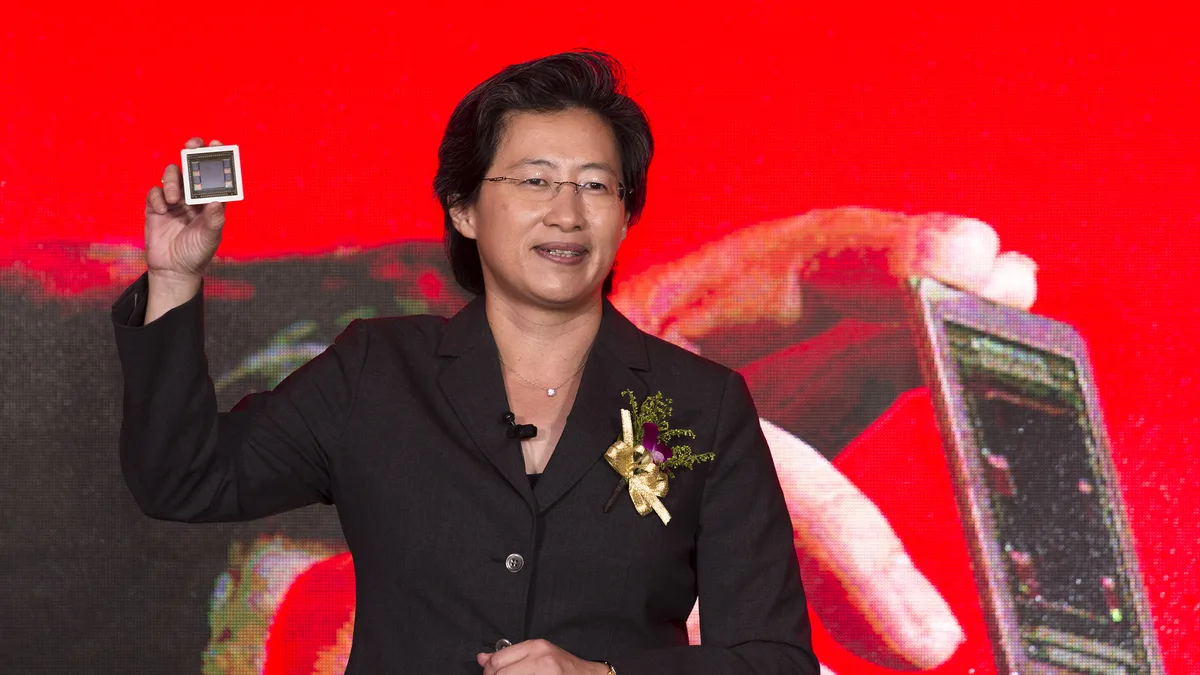
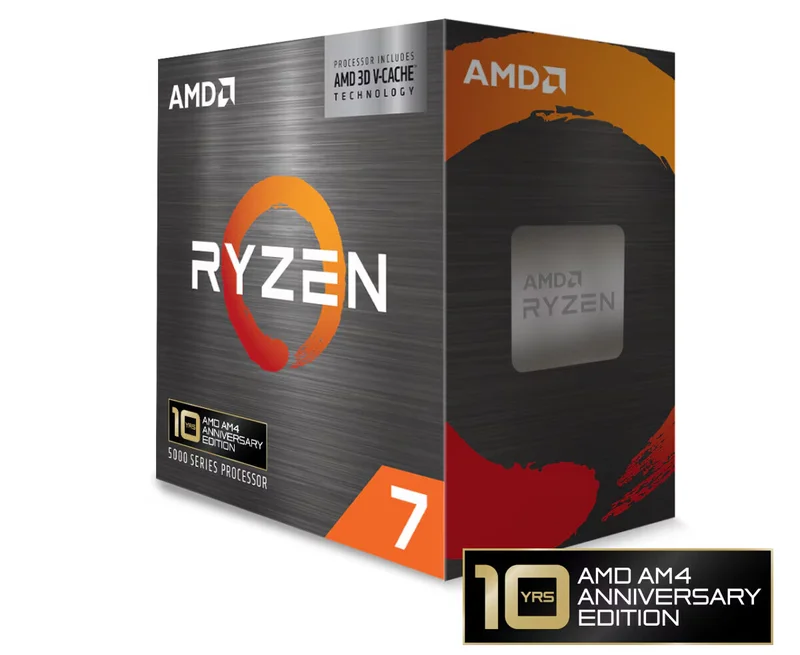
Reviving a flagship processor after its original foundry lines have been shut down is never as simple as dusting off old warehouse inventory. During an in-depth interview in Tokyo with Japanese technology publication MyNavi Tech+, Travis Kirsch, Senior Director of Client Product Management at AMD, shared rare behind-the-scenes details regarding the surprise return of the Ryzen 7 5800X3D for the Socket AM4 platform. Far from a last-minute reaction to component shortages, the 10th Anniversary Edition re-release was championed directly at the highest level of the company by CEO Lisa Su.
A "Parting Gift" Driven by Lisa Su and Re-Engineered With TSMC
By the time the original Ryzen 7 5800X3D retired from retail shelves after cementing 3D V-Cache technology as the gold standard for PC gaming, its manufacturing run had completely ended. As Kirsch explained, zero wafers of the original chip remained in active production at the foundry. Several years ago, however, Lisa Su personally raised the idea of bringing the iconic processor back to celebrate the tenth anniversary of the Socket AM4 ecosystem, which originally debuted in September 2016.
AMD envisioned the revival as a final "parting gift" for the millions of loyal PC builders still running AM4 motherboards and DDR4 memory, giving them one last opportunity for a top-tier drop-in gaming upgrade before eventually migrating to AM5. Turning that vision into silicon required significant engineering work with foundry partner TSMC. Because the original manufacturing processes had already been phased out, AMD and TSMC had to update and adapt production steps on newer lines to fabricate brand-new 8-core, 96MB L3 cache chips that matched the exact specifications of the original 5800X3D without spinning up deprecated machinery.
How 3D V-Cache Shields Gamers From Surging DDR4 and DDR5 Prices
While Kirsch noted that the 5800X3D revival was set in motion long before the current memory market turmoil because of the lead time required to restart production lines, its arrival could hardly be better timed. With surging DDR4 memory prices driven by the ongoing AI chip shortage pushing spot DDR4 pricing above DDR5 in several regions, 3D V-Cache has become a crucial hardware buffer for budget-conscious builders.

Because the stacked L3 cache keeps latency-sensitive game data right on the processor package, gaming frame rates remain remarkably insulated from system RAM bottlenecks. Kirsch pointed out that even when paired with slower DDR4 modules or a single-channel memory configuration rather than dual-channel, a 3D V-Cache processor loses very little gaming performance. Combined with AMD's continued support for the Socket AM4 ecosystem, the return of the 5800X3D even prompted motherboard partners to roll out a fresh wave of AM4 boards to meet renewed retail demand.
Why AMD Released the $329 Ryzen 7 7700X3D and Dual-Cache Ryzen 9 9950X3D2
The conversation also shed light on AMD's chiplet allocation strategy for Socket AM5. Asked why the company launched the Zen 4-based Ryzen 7 7700X3D in July at just $329 (a modest $60 premium over the ~$270 street price of the standard Ryzen 7 7700X) instead of introducing a Zen 5-based Ryzen 7 9700X3D, Kirsch offered a candid supply-side answer. AMD had internal inventory of Raphael (Zen 4) dies that could be optimized for an accessible 3D V-Cache SKU, whereas building a 9700X3D would have eaten directly into the shared supply of Granite Ridge (Zen 5) chiplets needed for the higher-tier Ryzen 7 9800X3D and 9850X3D.
Kirsch also addressed the evolution behind the flagship Ryzen 9 9950X3D2, which places 3D V-Cache on both of its CCDs. Although AMD previously stated in 2025 that dual-CCD 3D V-Cache was too expensive for pure gaming workloads that mostly stay within a single CCD, relentless enthusiast demand and the rise of memory-hungry local AI and prosumer workloads convinced AMD to build the dual-cache powerhouse ahead of broader software adoption.
Why Ryzen 3 Desktop Chips Are Fading and AM5 Longevity Past 2029
When pressed on the scarcity of entry-level Ryzen 3 desktop processors (currently down to just three SKUs on AM4 and a single model on AM5), Kirsch,who served as an Athlon product manager earlier in his career,acknowledged that the DIY component market for entry-level CPUs has shrunk dramatically as budget laptops absorbed that price bracket. Furthermore, a multi-die CCD plus IOD layout is too costly for entry-level chips that require integrated graphics, which is why modern Ryzen 3 parts repurpose monolithic mobile silicon instead while AMD concentrates its desktop firepower on premium gaming.
Finally, regarding Socket AM5 support committed through at least 2029, Kirsch emphasized that 2029 is not a hard cutoff date. AMD only intends to introduce a new socket when a major architectural shift,like the simultaneous leap to DDR5 and PCIe Gen 5 that justified moving from AM4 to AM5,truly requires a new physical interface. For current AM5 systems, he reaffirmed that DDR5 around the 6,000MHz range remains the optimal sweet spot to keep memory and processor clock ratios synchronized for the lowest possible latency.
My Test Bench
Having built and upgraded dozens of Socket AM4 rigs since the first-generation Ryzen launch in 2017, learning that Lisa Su personally pushed to re-engineer the Ryzen 7 5800X3D at TSMC explains why AM4 has achieved legendary status among PC builders. Dropping a fresh 96MB 3D V-Cache chip into an existing B450 or B550 board without spending hundreds of dollars on overpriced DDR5 is still the smartest value play in PC hardware. On my own test bench, the architectural magic of 3D V-Cache continues to speak for itself: even with modest DDR4 kits, that massive L3 buffer keeps 1% low frame times rock-solid in modern CPU-bound titles.

PC hardware enthusiast and competitive gamer, Arthur 'Heimdall' splits his time between France and the UK working in enterprise B2B software solutions. A business school graduate passionate about component benchmarking, he has been building, modding, and tuning PCs since childhood, optimizing every thermal degree and millisecond of display latency. An avid gamer across Assassin's Creed and sandbox titles, he forged his alliance with Grimtag and Chaya during late-night World of Warcraft raids before joining Pro-Gamer.