From 275 to 19,000 Steam Games a Year: Why Masahiro Sakurai Predicts a Flood of Unoriginal and Unprofitable AI Titles
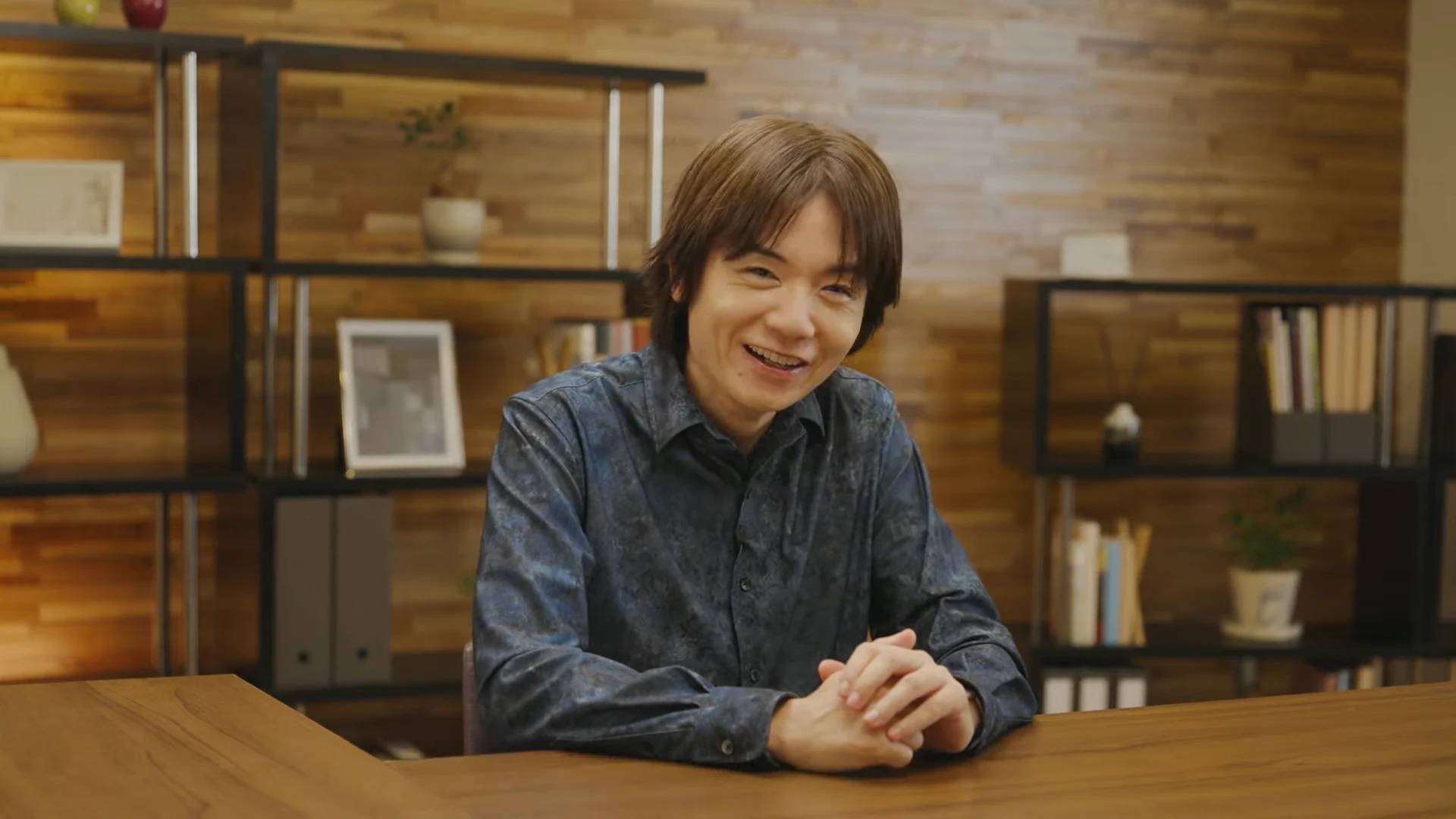
Jumping from roughly 275 annual releases in 2010 to more than 19,000 games launched on Steam every year has already turned discoverability into a brutal uphill battle. According to Super Smash Bros. and Kirby creator Masahiro Sakurai, the rapid adoption of generative AI is about to push that volume even higher, triggering a massive wave of derivative projects that will struggle to earn a single dollar.
Sixteen Years of Hunting for Originality at the Game Designers Award
The head of Sora Ltd. shared this candid assessment during an extensive retrospective interview in Japan marking the official conclusion of the Game Designers Award. Established by Sakurai in 2010 as a special category within the Japan Game Awards, the prize was built around one strict mandate: celebrating mechanical boldness and pure creative novelty rather than commercial blockbuster budgets.
Alongside a rotating panel of legendary Japanese directors including Fumito Ueda, Shinji Mikami, Hideki Kamiya, Yoko Taro, and Kazutaka Kodaka, Sakurai spent sixteen years sifting through global releases to spotlight standout ideas. After honoring inventive titles such as Viewfinder in 2024, Indika in 2025, and its final winner Word Game in September 2026, Sakurai chose to retire the award after being unable to find a successor willing to shoulder the massive scouting workload required in today's market.
The numbers explain why keeping up has become nearly impossible for a human jury. When the panel first convened in 2010, Valve's digital storefront saw around 275 new games over the course of a full year. Today, Sakurai points out that annual releases have surpassed 19,000 titles, a surge we recently examined when Steam hit a record 21,388 new games by October 2026 amid the rise of AI vibe coding.
Mass-Produced Clones Destined to Become "Unprofitable Titles"
In Sakurai's view, that release curve is only going to steepen. Because generative AI drastically lowers the technical barrier to assembling code and assets, the sheer number of games hitting digital storefronts is guaranteed to climb. Yet rather than sparking a renaissance of fresh ideas, he warns that automated production will mostly fuel what Japanese developers call sosei ranzō: careless mass production of low-quality goods.
Specifically, the Super Smash Bros. Ultimate director believes the vast majority of AI-generated or hastily mass-produced games will simply copy and paste gameplay systems already proven in popular hits, especially trendy puzzle mechanics that are easy to replicate. Buried inside an overcrowded catalog that players can neither track nor comprehend, almost all of these derivative releases are destined to become what he calls "unprofitable titles" (kuenai taitoru, literally games that cannot put food on the table).
Fumito Ueda and the Creative Spark Algorithms Cannot Replicate
At the core of Sakurai's argument is a strict definition of game design: true originality means building something players did not even realize they wanted until they experienced it, rather than tweaking existing formulas based on market data. Because generative AI models operate by ingesting and recombining past patterns, they are structurally incapable of making genuine conceptual leaps.
To illustrate what automated tools cannot replace, Sakurai pointed to fellow judge Fumito Ueda, the auteur behind ICO, Shadow of the Colossus, and The Last Guardian. While an algorithm might eventually analyze and mimic the atmospheric lighting or melancholic tone of Ueda's past works on a superficial level, it can never predict or replicate the brand-new creative vision that a human auteur will dream up next. That emphasis on irreplaceable human perspective echoes Shigeru Miyamoto's recent reflections after receiving Japan's Order of Culture on why human surprise remains the lifeblood of game creation.
My Take
Masahiro Sakurai's warning carries weight because it comes from sixteen years of hands-on curation rather than abstract industry speculation. When generative AI drives the cost of cloning an existing puzzle loop or survival mechanic down to zero, imitation loses whatever commercial value it had left. As digital storefronts fill up with thousands of automated lookalikes that nobody has the time to play, the unmistakable fingerprint of a human creator taking a real design risk is going to become the most valuable currency in gaming.

SEO consultant for over 20 years and digital entrepreneur, Charles 'Grimtag' Ronchain is the founder of Pro-Gamer.gg, Retrocharting.com, and Gamescharting.com. A competitive gamer, streamer, and retro game collector, he has worked in the video game industry for over 15 years, notably as a consultant for leading game price comparison platforms. Passionate about real-time performance data and gaming technology, he analyzes competitive esports, gaming hardware benchmarks, and creator workflows on Pro-Gamer.gg with an authentic player perspective.