AI Chip Costs and Stock Pressure: Why Nintendo Refuses to Boost Its Switch 2 Forecasts
Nintendo leadership in Kyoto has made its financial stance unequivocal. Despite persistent calls from institutional investors, the Japanese company confirmed it will not raise its annual sales and operating profit targets for the ongoing fiscal year.
This conservative outlook arrives as Nintendo shares face notable volatility on the Tokyo Stock Exchange. Market participants had anticipated an upward revision following the strong initial momentum posted during the worldwide launch of the Switch 2.
The Squeeze of Memory Chips Monopolized by Artificial Intelligence
The primary concern among industry analysts stems from surging industrial manufacturing costs. Massive demand from artificial intelligence data centers has tightened worldwide foundry capacity, driving high-performance memory chips to premium prices across the tech sector.
To manufacture each unit of its hybrid console, Nintendo must now source electronic components at significantly higher price points than originally budgeted. This ongoing supply pressure directly narrows the profit margins generated by each device shipped from assembly facilities.
Explore Nintendo Switch Deals on Amazon→
Tokyo Stock Exchange Reactions and the Transition Roadmap
On the Tokyo trading floor, financial analysts warn that higher manufacturing expenses could dampen mainstream adoption rates over the coming quarters. Passing these extra costs onto retail price tags risks meeting resistance from consumer wallets facing global economic pressures and sticky inflation.
At the same time, the Kyoto-based publisher is entering a natural transition phase across its first-party publishing calendar. Following the initial wave of major launch titles, subsequent flagship releases will arrive on a more measured schedule across upcoming game release calendar windows.
Nintendo executives emphasize that steady long-term software attachment remains more crucial than chasing short-term quarterly spikes. By prioritizing balanced production flow and sustainable retail availability, the company aims to navigate global logistics hurdles without overheating its balance sheet.
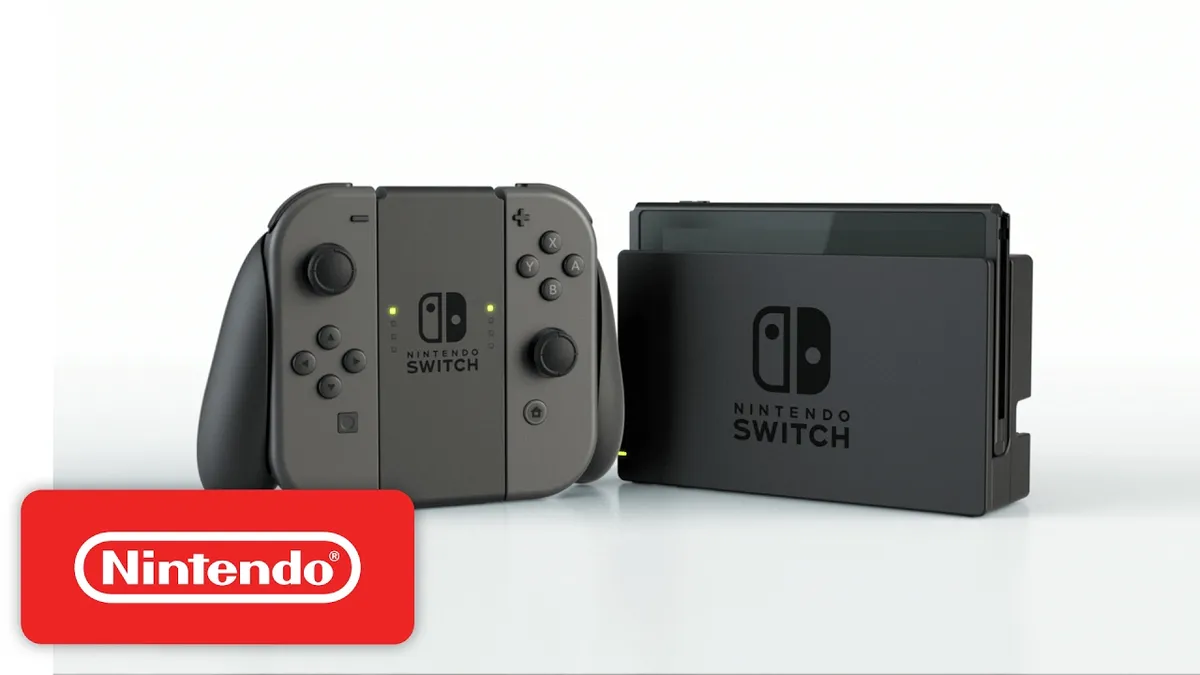
Official Video: Nintendo Switch Ecosystem Overview
My Take
From my perspective, this decision demonstrates Nintendo's cold economic realism against runaway financial hype. After dominating the gaming landscape for seven uninterrupted years with the original Switch, Kyoto confronts a drastically harsher manufacturing climate.
Building a modern console in 2026 costs substantially more than it did in 2017. Between hungry artificial intelligence server farms monopolizing semiconductor capacity and rising assembly expenses, Nintendo cannot afford to distribute devices cheaply while expecting exorbitant profit margins.
Even though the Switch 2 remains an undisputed critical and commercial triumph, maintaining forecasts without succumbing to corporate euphoria is a necessary act of discipline in a cautious consumer economy.

PC hardware enthusiast and competitive gamer, Arthur 'Heimdall' splits his time between France and the UK working in enterprise B2B software solutions. A business school graduate passionate about component benchmarking, he has been building, modding, and tuning PCs since childhood, optimizing every thermal degree and millisecond of display latency. An avid gamer across Assassin's Creed and sandbox titles, he forged his alliance with Grimtag and Chaya during late-night World of Warcraft raids before joining Pro-Gamer.