GeForce RTX 5080 24GB Reportedly Canceled for January 2027 as 3x Pricier 3GB GDDR7 Chips Keep the 16GB GPU Alive
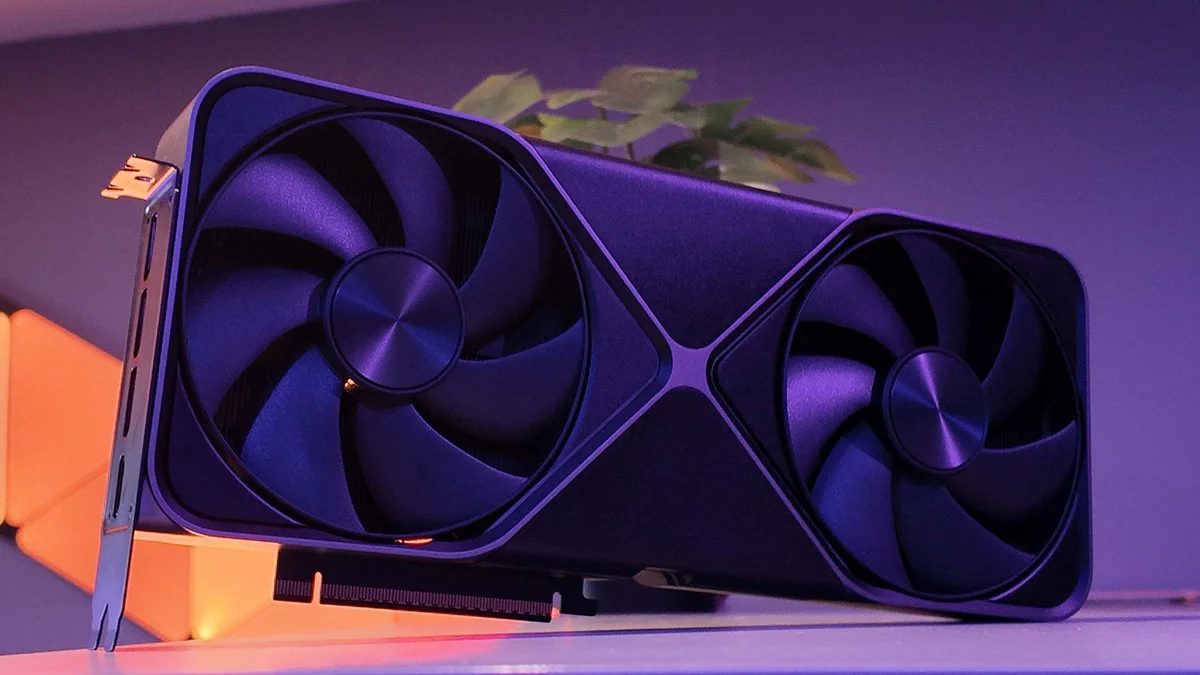
Another major shift has hit the upper tier of the Blackwell graphics lineup: according to Chinese supply chain disclosures on Board Channels analyzed on November 11, 2026 by Japanese hardware outlet Gazlog and hardware insider @harukaze5719, NVIDIA has formally notified its AIB (Add-in-Board) manufacturing partners that the planned January 2027 launch of the GeForce RTX 5080 24GB has been canceled. Faced with prohibitive high-density memory pricing, the company will instead keep the standard NVIDIA GeForce RTX 5080 16GB in active production.
Why 3GB GDDR7 Memory Chips Costing 3x More Killed the January 2027 Launch Plan
From an engineering standpoint, the 24GB revision was designed around the existing GB203 silicon (10,752 CUDA cores across a 256-bit memory interface), swapping the eight standard 2GB (16Gb) GDDR7 modules on the current card for eight higher-density 3GB (24Gb) GDDR7 chips. After weeks of uncertainty in which NVIDIA withheld GeForce RTX 5080 24GB reference design files from AIC partners throughout late October, Santa Clara has now pulled the plug on the January release window without providing any replacement launch date.
The cancellation comes down to brutal component math: supply chain reports indicate that 3GB GDDR7 memory chips currently cost roughly three times as much as standard 2GB modules. Outfitting a 256-bit board with eight 3GB chips drove the bill of materials so high that neither NVIDIA nor its board partners could price the graphics card at a viable consumer retail level. According to Gazlog, this exact same 3GB GDDR7 cost bottleneck is also the reason why the GeForce RTX 5000 SUPER lineup (including the RTX 5080 SUPER 24GB) remains on indefinite hold across all regions, despite physical evaluation boards having reached AIB labs back in July 2026.
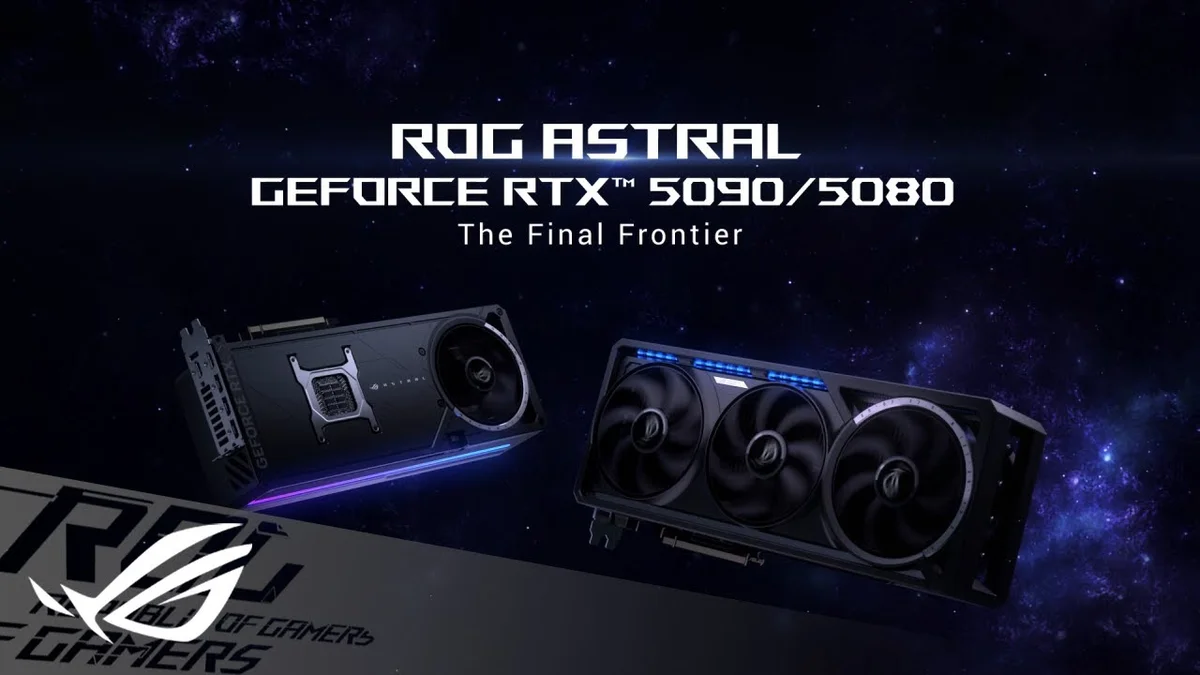
NVIDIA GeForce RTX 5080 (16GB GDDR7)
- NVIDIA Blackwell GB203-400 GPU (10,752 CUDA Cores)
- 16GB GDDR7 Memory (8x 2GB) on a 256-bit Bus at 30 Gbps
- 360W Total Graphics Power and DLSS 4 Multi Frame Generation
Continued GeForce RTX 5080 16GB Production and Jeff Fisher's Confirmation on the RTX 5090
Paradoxically, shelving the 24GB model is welcome news for PC builders' wallets. Previous industry chatter suggested that the 24GB variant would not be sold alongside the existing stack, but would instead replace both the GeForce RTX 5080 16GB and a rumored end-of-life GeForce RTX 5090, leaving high-end gamers with no sub-flagship option at the start of 2027.
Instead of paying triple for 3GB memory dies, NVIDIA is continuing to procure 2GB GDDR7 chips and has informed board partners that the GeForce RTX 5080 16GB will remain in ongoing production. Because NVIDIA supplies GPU dies and VRAM together as mandatory bundled kits to its AIB partners for both Chinese and international assembly lines, global supply of the 16GB RTX 5080 is set to continue uninterrupted. This aligns with recent remarks from Jeff Fisher, Senior Vice President of GeForce at NVIDIA, who publicly pushed back against discontinuation rumors surrounding the flagship Blackwell card: "Although there are other variants of the RTX 5090 (chip), production has not been discontinued, and Nvidia will continue to ship, which is very important."
| Blackwell GPU Model | GDDR7 VRAM Configuration | Manufacturing Status (Nov. 2026) | Observed Cost & Retail Trend |
|---|---|---|---|
| GeForce RTX 5080 24GB / SUPER | 24GB (8x 3GB dies on 256-bit bus) | Jan. 2027 Launch Canceled / On Hold | 3GB GDDR7 modules cost ~3x more than 2GB dies |
| GeForce RTX 5080 16GB | 16GB (8x 2GB dies on 256-bit bus) | Active Production (2GB GPU+VRAM kits) | Lowest Japan retail down from ¥359,800 to ¥309,800 |
| GeForce RTX 5070 Ti 16GB | 16GB (8x 2GB dies on 256-bit bus) | Active Production | Up from ¥230,800 to ¥234,780 (gap narrowed to ~¥95,000) |
| GeForce RTX 5090 32GB | 32GB (16x 2GB dies on 512-bit bus) | Not Discontinued (Confirmed by Jeff Fisher) | Spot price eased from 50,000 to 46,000 RMB (~$6,900) |
Scarcity Markup Evaporates: RTX 5080 16GB Street Prices Already Drop in Japan and Shenzhen
The decision to keep 16GB assembly lines running is already deflating artificial scarcity markups across Asian retail channels. Expecting the GeForce RTX 5080 16GB to run out of stock by New Year's, several board partners had baked an aggressive end-of-life premium into their autumn wholesale quotes. Gazlog points out that when NVIDIA raised GPU-and-VRAM bundle prices in July in proportion to memory capacity, both the 16GB RTX 5080 and the 16GB RTX 5070 Ti absorbed an identical component cost increase of roughly 25,000 yen (~$165). Yet in November distributor sheets from brands like Colorful, factory prices jumped by 59,000 to 66,000 yen (~$385 to $430) on the RTX 5080 versus just 24,000 yen (~$155) on the RTX 5070 Ti, representing an unexplained 35,000 to 42,000 yen scarcity surcharge.
With fresh 16GB shipments now assured, that artificial premium is starting to unwind. Alongside the 4,000-yuan GeForce RTX 5080 spot price drop recorded at Shenzhen's Huaqiangbei market, the lowest retail listing in Japan fell from 359,800 yen on October 31 to 329,800 yen on November 10, reaching 309,800 yen (~$2,000) on November 11 as the number of in-stock custom models climbed from 8 to 12 SKUs.
Check Availability for GeForce RTX 5070 Ti 16GB on Amazon→
My Take on the Spec Sheet
As frustrating as it is to see a flagship-class graphics card capped at 16GB of VRAM, pulling the plug on the GeForce RTX 5080 24GB is actually a bullet dodged for PC builders. Had NVIDIA forced a transition to 3GB GDDR7 modules that cost three times as much as 2GB chips while discontinuing the current 16GB model, gamers would have been staring down a $2,500+ replacement in January 2027 with zero additional shader compute on the GB203 die. Keeping 16GB GPU-and-VRAM bundles in active production immediately undercuts wholesalers who were padding autumn quotes with a $260 end-of-life markup, though let's keep perspective: at roughly $2,000 on store shelves this November 2026, the RTX 5080 is still double its original $999 baseline. This breakdown is based on AIB supply chain disclosures and official Blackwell architecture specifications; if NVIDIA or any of its board partners would like to send a GeForce RTX 5080 unit to our test bench to measure real-world GDDR7 thermals, power draw, and frame pacing under our probes, our lab doors are wide open.

PC hardware enthusiast and competitive gamer, Arthur 'Heimdall' splits his time between France and the UK working in enterprise B2B software solutions. A business school graduate passionate about component benchmarking, he has been building, modding, and tuning PCs since childhood, optimizing every thermal degree and millisecond of display latency. An avid gamer across Assassin's Creed and sandbox titles, he forged his alliance with Grimtag and Chaya during late-night World of Warcraft raids before joining Pro-Gamer.