Playing Zelda: Ocarina of Time on PC Without an Emulator: Native Recompilation vs. Ship of Harkinian and TriAevum
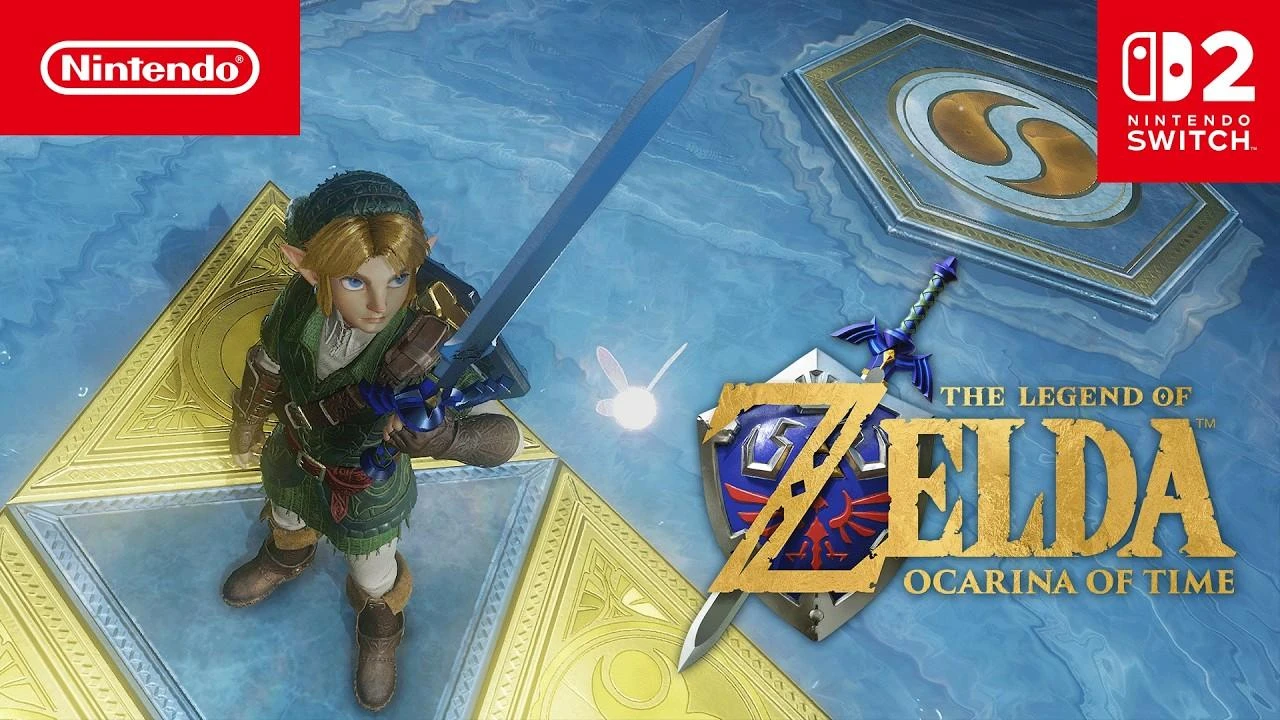
While Build 75 of the Lichii Switch 2 emulator already runs Zelda: Ocarina of Time Remake at 60 FPS on an RTX 5080 at the cost of heavy CPU thread bottlenecks, a far more ambitious approach has been gaining traction across the PC scene since the remake launched on November 5, 2026: 100% native PC execution on Windows and Linux without an emulator.
Between the experimental Switch 2 static recompilation spearheaded on launch day by developer Remarkable-Net6962, the Vulkan-powered TriAevum runtime for the 3DS edition, and the decompiled Ship of Harkinian port, here is a clear technical breakdown of what actually runs on PC today.
Static Recompilation of the Switch 2 Remake: Remarkable-Net6962's Native PC Build
Unlike a traditional console emulator that translates system calls on the fly and compiles shaders during gameplay with heavy frame-time spikes, Ahead-of-Time (AOT) static recompilation directly translates the 27 GB Switch 2 binary's ARM64 instructions into native x86-64 C++ code compiled for Windows.
On November 5, 2026, independent developer Remarkable-Net6962 demonstrated an early native PC executable targeting the Switch 2 remake built on Nintendo's internal ModuleSystem engine (codenamed Owl) shared with Tears of the Kingdom.
While viral posts quickly claimed the Switch 2 remake was already playable from start to finish without an emulator, the actual state of the repository requires a reality check.
Right now, Remarkable-Net6962's recompiled native PC binary successfully boots the Windows executable, initializes the rendering window, and plays through the opening cinematic, but crashes immediately once gameplay initializes in Kokiri Forest.
AI-Assisted Recompilation and Anthropic's Claude Code Guardrails
Achieving a booting native executable on launch day was largely accelerated by AI-assisted coding and binary analysis tools capable of mapping function tables and graphics API wrappers at high speed.
That rapid turnaround has already triggered pushback from AI labs and rights holders: in late October 2026, Anthropic engineering lead Addy Osmani confirmed new guardrails in Claude Code (Opus 5.5) designed to discourage reverse-engineering or recreating copyrighted commercial games, shortly after Nintendo filed a copyright complaint against developer Oliver Sauter over a browser-based port of Super Mario 64 built with Claude.
Following pushback from open-source researchers arguing the filter blocked legitimate reverse engineering, Anthropic refined those restrictions in Claude Code version 2.1.317.
Playing on PC Without an Emulator Right Now: Ship of Harkinian (N64) and TriAevum (3DS) in 4K at 120+ FPS
While the Switch 2 remake's static recompilation is still working past its opening cutscene, PC players already have two fully native, emulator-free ports capable of running the entire Hyrule adventure at high frame rates using their own legally dumped game files:
- Ship of Harkinian (Decompiled N64 Port by HarbourMasters): Built upon the 100% C source code decompilation of the original Nintendo 64 cartridge by the Zelda Reverse Engineering Team (ZRET), this native Windows, Linux, and macOS executable runs directly on DirectX 11, OpenGL, or Metal.
It unlocks frame rates up to 60, 120, or 240 FPS via matrix interpolation, supports native 4K and 21:9 ultrawide displays, adds free right-stick camera control, gyro aiming, a built-in Randomizer, and custom HD model and texture replacements such as Ocarina of Time 3D Reloaded. - TriAevum / Project Echoes of Time (Recompiled 3DS Runtime by coccofresco): This experimental AOT static recompilation runtime translates The Legend of Zelda: Ocarina of Time 3D into a standalone native PC application powered by a modern Vulkan / NRI renderer.
It merges the 3DS dual-screen interface onto a single widescreen monitor, supports custom HD texture packs, and runs at 60 to 90 FPS without relying on traditional 3DS emulators like Citra or Azahar.
My Test Bench Verdict
Let's separate viral social media claims from actual repository milestones: yes, AI-assisted static recompilation has made a massive leap forward by getting Nintendo's 27 GB Switch 2 binary to boot as a native Windows executable on launch day thanks to Remarkable-Net6962, but no, that specific 2026 remake build is not yet playable beyond its opening cutscene.
There is a huge engineering gap between initializing a window for a pre-rendered intro and properly hooking every memory allocation and shader pipeline inside Nintendo's ModuleSystem engine.
If your goal is to play through Ocarina of Time on PC tonight without touching an emulator or dealing with 5 FPS shader compilation stutters, pairing Ship of Harkinian (for rock-solid 240 FPS decompiled C code) or TriAevum (for the 3DS geometry running natively under Vulkan) with HD texture packs delivers a vastly superior 4K experience. Still, watching a flagship Nintendo Switch 2 exclusive reach early native PC recompilation within twenty-four hours of release proves that hardware walls around console exclusives are eroding faster than ever.

Zelda Ocarina of Time
Explore official trailers, technical specs and all latest coverage for Zelda Ocarina of Time.

PC hardware enthusiast and competitive gamer, Arthur 'Heimdall' splits his time between France and the UK working in enterprise B2B software solutions. A business school graduate passionate about component benchmarking, he has been building, modding, and tuning PCs since childhood, optimizing every thermal degree and millisecond of display latency. An avid gamer across Assassin's Creed and sandbox titles, he forged his alliance with Grimtag and Chaya during late-night World of Warcraft raids before joining Pro-Gamer.