An Air Quality Monitor Alerted This PC Builder Just in Time to Find His RTX 5090 Melting
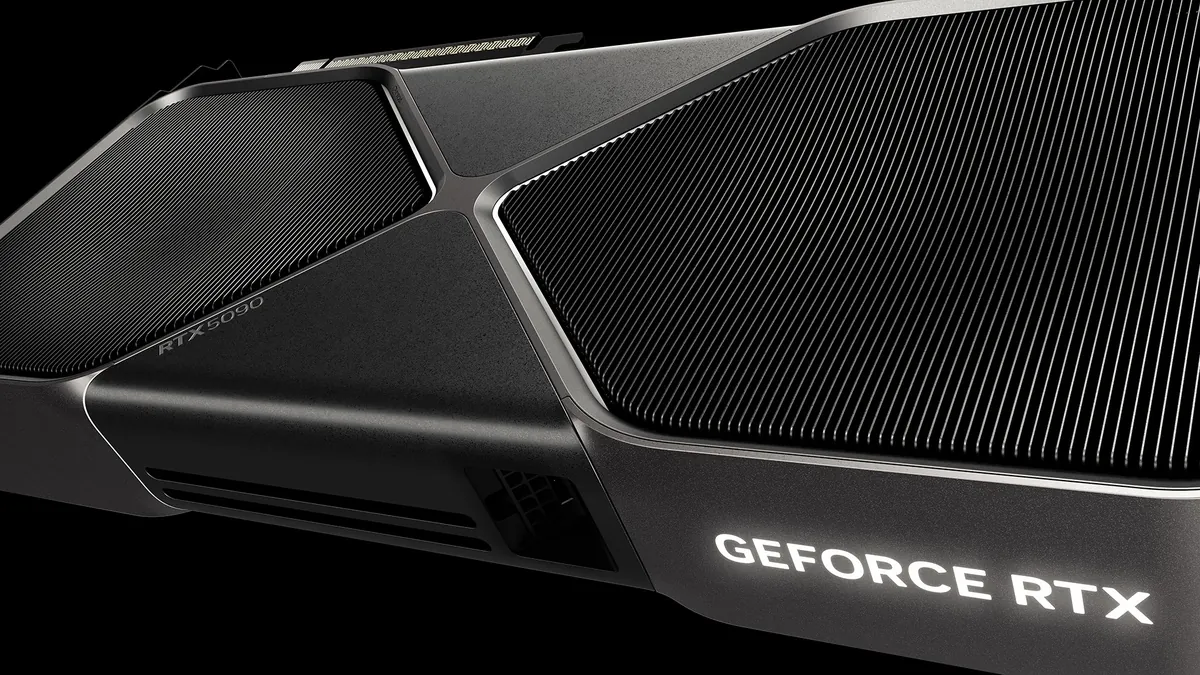
There was no black screen, no graphical artifacting, and no immediate smell of burning plastic. Instead, a room air quality monitor suddenly sounded an alarm after detecting a sharp spike in hazardous airborne particles. When the owner immediately cut power and opened the chassis, he found his Gigabyte AORUS GeForce RTX 5090 XTREME WATERFORCE 32G melting right at the 16-pin power header.
A Particle Spike Warning That Likely Prevented a House Fire
The incident was shared on November 28, 2026 on the official r/lianli subreddit by user u/joshey1990, complete with close-up photos of the scorched hardware. According to the account, the PC behaved normally right up until the air monitor flagged dangerous microscopic off-gassing released by superheated polymer inside the case.
Shutting down and unplugging the system on the spot likely kept the thermal runaway from escalating into a full electrical fire. It was too late, however, to rescue the graphics card. The 12+4-pin extension housing fused and warped, charring multiple pins inside the GPU's onboard power socket and leaving the flagship card completely dead.
The Hardware Chain: RTX 5090 Waterforce, Corsair 1500W PSU, and Lian Li Strimer
Unlike budget builds where off-brand power supplies or loose adapters take the blame, this rig relied on top-shelf components throughout. Here is the exact power delivery chain reported by the user:
- Graphics card: Gigabyte AORUS GeForce RTX 5090 XTREME WATERFORCE 32G (AIO liquid-cooled, 600W class), purchased for over £3,000.
- Power supply: Corsair HXi 1500W 80+ Platinum PSU.
- Extension cable: Lian Li Strimer Wireless 12+4-pin (16-12 variant rated up to 600W), bought in March 2025.
One crucial detail stood out during inspection: the native Corsair PSU cable feeding the upstream side of the Strimer showed zero signs of discoloration or heat stress. All of the thermal damage was isolated strictly to the GPU-side interface where the angled RGB extension met the RTX 5090's 12V-2x6 receptacle.
Why RGB Extensions Remain a Weak Link on 600W 12V-2x6 GPUs
Pushing nearly 50 amps through six 12V power pins leaves almost zero headroom for mechanical wear or contact variance. While the ATX 3.1 12V-2x6 revision shortened the sense pins to guard against half-seated plugs, most RTX 5090 PCBs still lack active per-pin load balancing.
Introducing a third-party aesthetic extension, even one officially rated for 600W, adds another physical junction to the highest-current path in the entire system. Over months of heating and cooling cycles since March 2025, a slight rise in resistance on just two pins can shunt excess current onto adjacent conductors, triggering a silent thermal failure long before Windows crashes.
That exact vulnerability explains why both manufacturers and community developers have raced to add active safeguards, from Corsair's PinProtect 12V-2x6 hardware cutoff at 9.5A per pin to the free RTX Lens utility that monitors per-pin amperage and triggers an emergency shutdown before plastic starts to melt.
Support Escalation and a Brutal Replacement Market
Shortly after the post gained traction, an official Lian Li support representative (Mr-Do.LianLi) replied in the thread to move the case to their official Discord for formal hardware inspection and RMA escalation. Even with vendor support engaged, replacing an AORUS RTX 5090 Waterforce in late November 2026 is a painful prospect given current retail scarcity and inflated street pricing well above original launch figures.
My Bench Take
From a pure hardware engineering standpoint, my rule on any 600W GeForce RTX 5090 build is non-negotiable: cut every unnecessary junction out of the GPU power run. Even when backed by a rock-solid 1500W Platinum power supply, adding an angled RGB extension cable doubles the critical contact points at the hottest connector in your case. If you own an RTX 5090, run a single direct native 12V-2x6 cable straight from your PSU to the card with a gentle bend radius, and keep aesthetic Strimer extensions reserved for lower-wattage rails like the 24-pin motherboard cable.

PC hardware enthusiast and competitive gamer, Arthur 'Heimdall' splits his time between France and the UK working in enterprise B2B software solutions. A business school graduate passionate about component benchmarking, he has been building, modding, and tuning PCs since childhood, optimizing every thermal degree and millisecond of display latency. An avid gamer across Assassin's Creed and sandbox titles, he forged his alliance with Grimtag and Chaya during late-night World of Warcraft raids before joining Pro-Gamer.