80% of Memory Locked for 5 Years: How Samsung Sacrifices PC Gamers to Feed AI
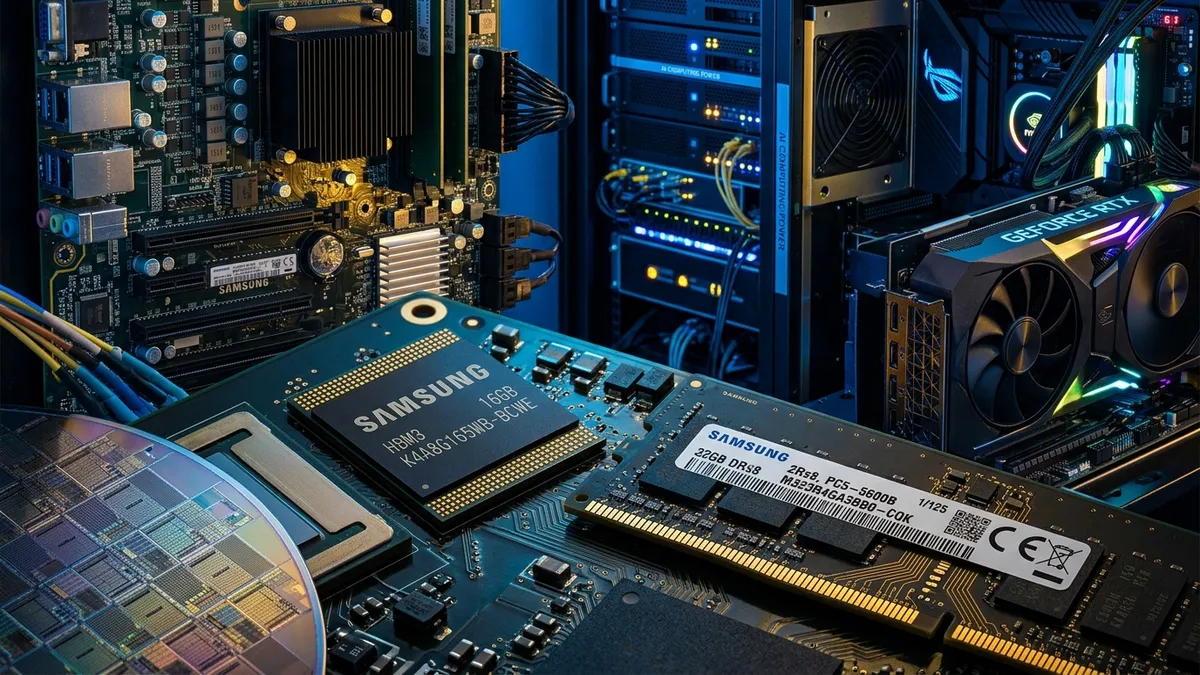
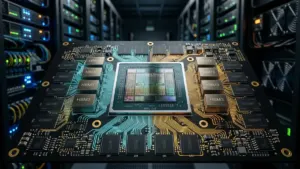
Semiconductor assembly lines are no longer operating for everyday enthusiasts. Behind closed doors, an unprecedented industrial transaction has just rewritten the balance of power across the global hardware landscape for the next five years. Samsung Electronics has finalized five-year Long-Term Supply Agreements (LTAs) locking between 75% and 80% of its total memory manufacturing output (HBM, DRAM, and NAND flash) exclusively for artificial intelligence giants, spearheaded by Nvidia, Microsoft, Google, and Meta.
Historic 25% Advance Payments to Monopolize Silicon Fabs
To secure guaranteed fab allocations against the looming threat of global silicon bottlenecks, these cloud conglomerates abandoned conventional wholesale procurement practices. The traditional spot market, where prices fluctuated alongside standard consumer product cycles, has been swept aside. AI clients placed massive upfront cash deposits representing 20% to 25% of the total multi-year contract values directly onto Samsung's balance sheet.
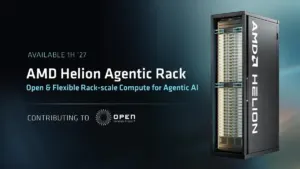
By injecting billions in upfront liquidity, these corporations effectively commandeered the South Korean manufacturer's production lines. While Samsung secures astronomical guaranteed profits with zero market risk, the move permanently sidelines the rest of the tech industry. Priority floor space across cleanrooms is now strictly reserved for enterprise server racks and AI compute accelerators.
PC Builders and Next-Gen Consoles: The 20% Residual Squeeze
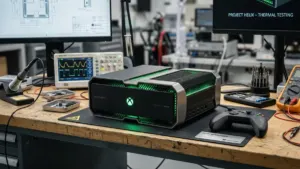
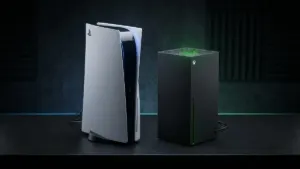
The resulting math is unforgiving. Just 20% to 25% of Samsung's total memory chip production remains to supply the entire worldwide consumer hardware market. That razor-thin allocation must simultaneously feed smartphone manufacturers, laptop OEMs, desktop hardware vendors, and console makers laying the architectural groundwork for PlayStation 6 and the next-generation Xbox.
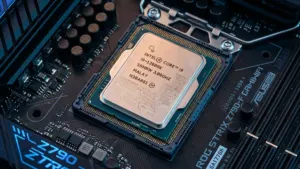
For PC gaming enthusiasts, the supply compression will directly impact DDR5 system memory kits and NAND modules for high-speed NVMe solid-state drives. With production capacity aggressively converted toward ultra-high-margin HBM3e and HBM4 stacks, retail component volume will face severe constraints. This structural scarcity lands amid an already punishing economic climate, following the sharp escalation in hardware manufacturing costs that continues to squeeze consumer budgets worldwide.
Compare DDR5 gaming RAM kits on Amazon→
An $80 Billion Windfall Seals the Divorce from Gaming
For Samsung's executive board, the pivot represents an undisputed financial triumph. Semiconductor industry analysts forecast unprecedented financial returns, with operating profits projected to reach an all-time high of approximately 107 trillion won (roughly $80 billion) over the cycle, propelled by profit margins consumer products could never generate.
Yet this pivot cements a definitive divorce from the gaming audience. For decades, PC builders and enthusiasts served as the lifeblood and marketing vanguard for memory manufacturers, validating performance claims through overclocking and cutting-edge rigs. That relationship is officially broken. Downgraded to a marginal secondary demographic, PC gamers now face five long years of elevated pricing and tight retail shelves while the world's largest semiconductor foundries operate solely to feed the artificial intelligence boom.

PC hardware enthusiast and competitive gamer, Arthur 'Heimdall' splits his time between France and the UK working in enterprise B2B software solutions. A business school graduate passionate about component benchmarking, he has been building, modding, and tuning PCs since childhood, optimizing every thermal degree and millisecond of display latency. An avid gamer across Assassin's Creed and sandbox titles, he forged his alliance with Grimtag and Chaya during late-night World of Warcraft raids before joining Pro-Gamer.