Console Sales Plummet to Lowest Point Since 2013: How Xbox and PS5 Price Hikes Broke Gaming's Golden Rule
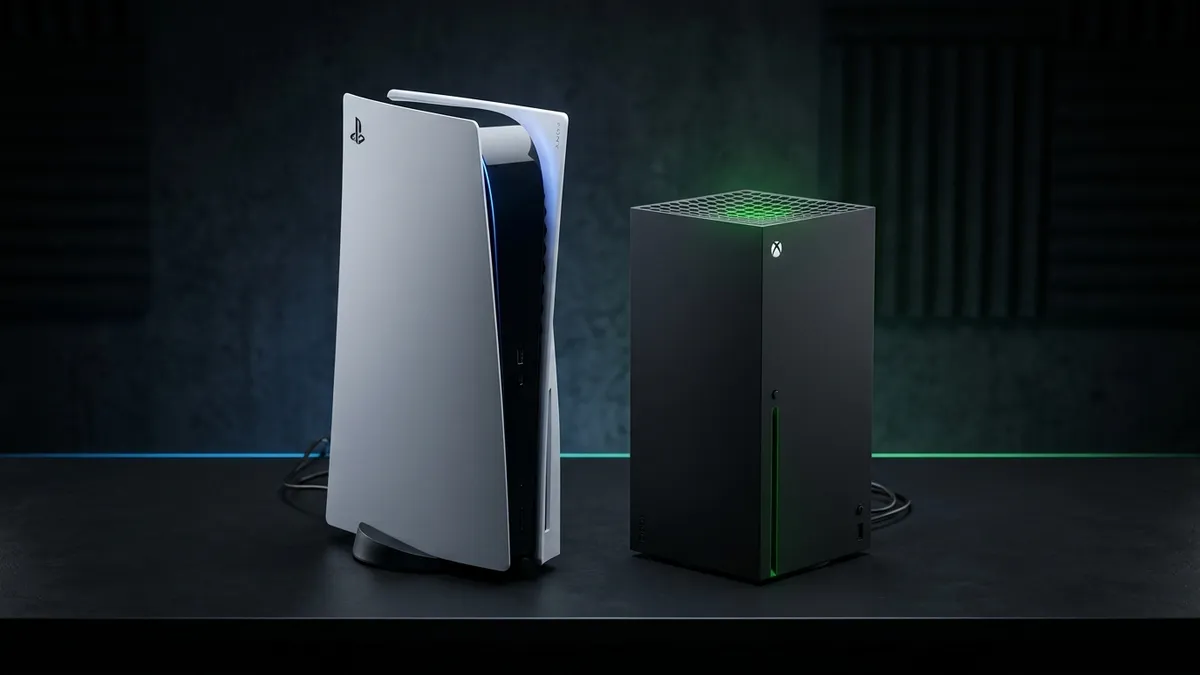
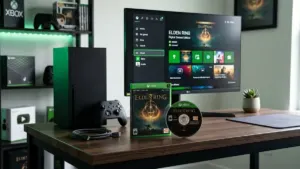
The latest hardware market reports have sent shockwaves across the gaming industry. According to consolidated data from market intelligence firm Circana and highlighted by analyst Mat Piscatella, home console sales volumes for the PlayStation 5 and Xbox Series X|S have fallen to their lowest levels since 2013, dragged down by an alarming 33% crash in Xbox console sales year-over-year. This steep decline is not driven by gamer fatigue or lack of interest in high-profile releases, but by an unprecedented economic fracture: for the first time in modern gaming history, hardware prices did not drop over time, they soared.
Shattering a 40-Year Industry Golden Rule
Throughout every prior console generation, the industry operated on a predictable, consumer-friendly lifecycle. Hardware makers historically sold consoles at thin margins or modest losses at launch to quickly build a massive active player base. Over the subsequent four to five years, chip manufacturing matured, component yields improved, and manufacturing costs dropped, allowing manufacturers to slash retail prices by 30% to 50% with Slim revisions.
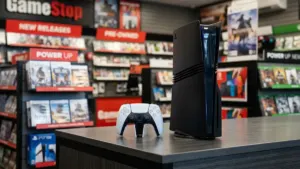
That proven model has been completely abandoned. Between regional price hikes on standard models, the elimination of optical disc drives as standard features, and the arrival of an $800 PlayStation 5 Pro sold without even a vertical stand, average console purchase prices have surged by 20% to 25% mid-generation. This aggressive margin-first strategy reached comical heights in retail, as seen with used PS5 Pro units listed at $1,399 at GameStop.
Check Current PS5 Console Deals and Bundles on Amazon→
From Mass Entertainment to an Exclusive Luxury Hobby
The sociological fallout of this corporate shift is now hitting home. Historically, home consoles represented the great equalizer in interactive entertainment: an affordable living room box purchased for the whole family during holiday seasons or picked up by college students on a budget. By pushing entry-level price tags above $500 and flagship games to $70, hardware makers effectively transformed what was once a democratic medium into a luxury purchase reserved for upper-income households.
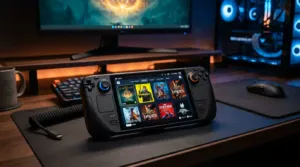
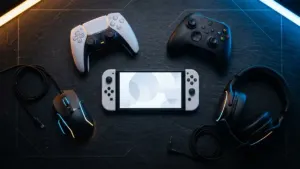
Mainstream audiences and price-conscious gamers are simply opting out of modern living room consoles. Many are migrating toward budget PC setups, handhelds like the Steam Deck and Nintendo Switch, or staying put on older hardware like the PS4 to play free-to-play ecosystems that require zero hardware upgrades.
The GTA 6 Mirage Cannot Fix a Broken Next-Gen Future
Industry executives are banking heavily on a single savior: the upcoming worldwide release of Grand Theft Auto VI. While Rockstar's juggernaut will undeniably trigger a massive temporary hardware sales spike, market analysts warn it is merely a short-lived bandage on a systemic wound. One monumental game cannot rewrite the household budget reality for families that refuse to spend hundreds of dollars on aging hardware.
The genuine reckoning awaits just around the corner. As Sony and Microsoft lay the groundwork for next-generation hardware expected around 2027 and 2028 on the release calendar for next-gen hardware, they face a financial deadlock. If current-gen silicon costs refuse to decline and consumers are already rejecting $550 consoles, who is going to buy an $800 to $1,000 PS6 or next-gen Xbox? By trading broad accessibility for inflated profit margins, platform holders bought short-term quarterly gains at the expense of their entire player pipeline.

SEO consultant for over 20 years and digital entrepreneur, Charles 'Grimtag' Ronchain is the founder of Pro-Gamer.gg, Retrocharting.com, and Gamescharting.com. A competitive gamer, streamer, and retro game collector, he has worked in the video game industry for over 15 years, notably as a consultant for leading game price comparison platforms. Passionate about real-time performance data and gaming technology, he analyzes competitive esports, gaming hardware benchmarks, and creator workflows on Pro-Gamer.gg with an authentic player perspective.