Intel Announces 10% CPU Price Hike for October 5: A Risky Gamble Against AMD's Gaming Dominance
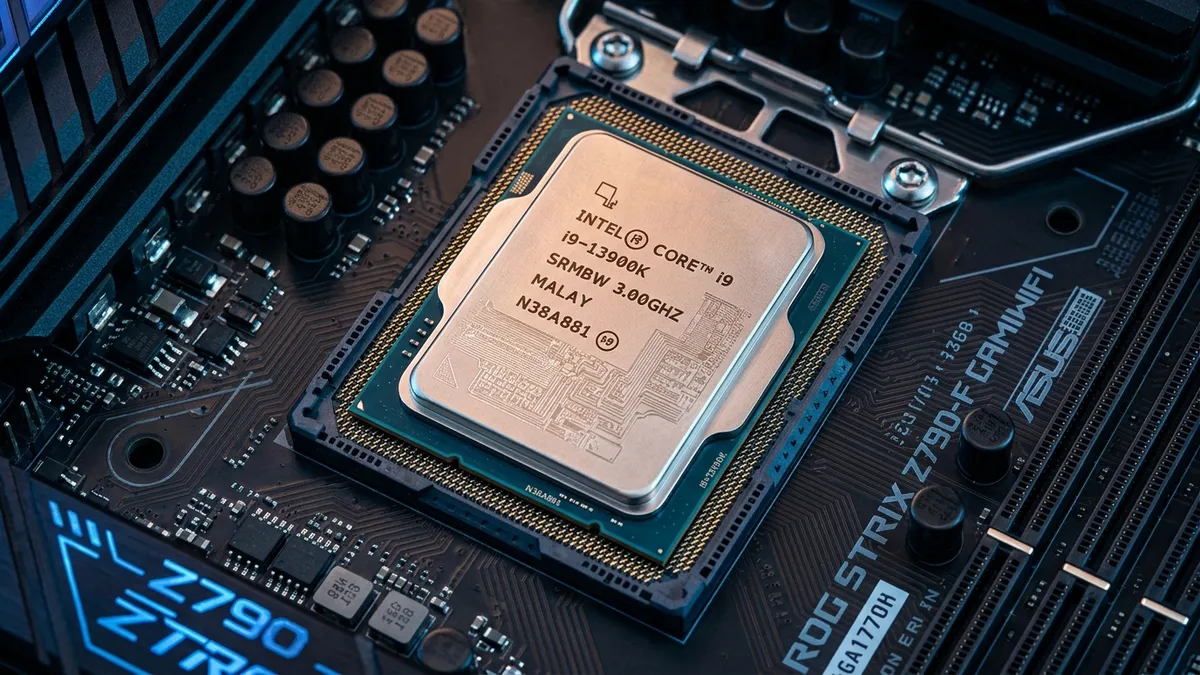
Intel is preparing to deliver another financial hit to PC builders and hardware enthusiasts. Starting October 5, 2026, the chipmaker will enforce an across-the-board price increase of approximately 10% on its entire lineup of desktop processors.
The adjustment was revealed through confidential distributor memos circulated across supply networks in Asia. For anyone tracking the modern desktop CPU market, the timing of this price revision feels borderline suicidal.
The Third Price Increase in 2026 Alone
This upcoming revision is not an isolated adjustment. It marks the third price hike Intel has rolled out since the beginning of 2026.
The company previously raised list prices across several product tiers in the first quarter of the year. In July, Intel pushed another price hike on its Core Ultra 200S Plus desktop processors, specifically targeting the Core Ultra 7 270K Plus and Core Ultra 5 250K Plus under the banner of rising packaging costs.
With an extra 10% tagged onto wholesale pricing this October, retail tags on midrange and high-end silicon will climb past psychological thresholds that consumers will struggle to justify.
Fab Losses and Short-Term Financial Pressure
To grasp why this price hike is happening, look at corporate balance sheets rather than architectural milestones. Under CEO Lip-Bu Tan, Intel has prioritized gross margins and immediate cash flow restoration above aggressive market share acquisition.
The company is struggling to offset billions in operational losses stemming from its manufacturing unit, Intel Foundry Services. Having already scrapped several low-power small-core CPU roadmaps to cut overhead, executives are now squeezing desktop silicon margins to appease shareholders.
The consequence for everyday buyers is clear: instead of absorbing internal manufacturing restructuring costs, Intel is shifting the financial burden directly onto PC builders.
AMD's Ryzen X3D Dominance Leaves Zero Room for Error
A price hike of this scale might work if competitive alternatives were lagging behind. Yet right now, AMD holds an iron grip on the gaming market with its 3D V-Cache architecture.
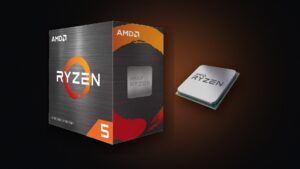
Processors like the Ryzen 7 7800X3D and the flagship Ryzen 7 9800X3D gaming setups continue to lead sales charts worldwide. They offer superior power efficiency, significantly lower thermal footprints, and unrivaled 1% low frame rates in competitive multiplayer titles.
Faced with that performance-per-watt gap, gamers have little incentive to choose an Intel socket. Raising prices on already struggling desktop SKUs only pushes fence-sitters straight into AMD's AM5 ecosystem.
Stretching PC Builders Beyond Their Breaking Point
This 10% hike hits when building a budget gaming PC in 2026 is already burdened by steep DDR5 memory pricing, costly high-wattage power supplies, and premium graphics cards.
Every dollar added to the CPU purchase price directly reduces the headroom for the GPU or high-speed storage. When retail shelves update their pricing stickers on October 5, Intel risks accelerating its desktop market share decline even further.
Instead of launching an aggressive price offensive to win back gamers, Intel chose to protect short-term margins on declining unit volumes. It is an enormous gamble, and October 5 will reveal how many builders simply walk away.

SEO consultant for over 20 years and digital entrepreneur, Charles 'Grimtag' Ronchain is the founder of Pro-Gamer.gg, Retrocharting.com, and Gamescharting.com. A competitive gamer, streamer, and retro game collector, he has worked in the video game industry for over 15 years, notably as a consultant for leading game price comparison platforms. Passionate about real-time performance data and gaming technology, he analyzes competitive esports, gaming hardware benchmarks, and creator workflows on Pro-Gamer.gg with an authentic player perspective.