Valve Confirms Steam for Linux Has Zero Official Support for ARM Hardware
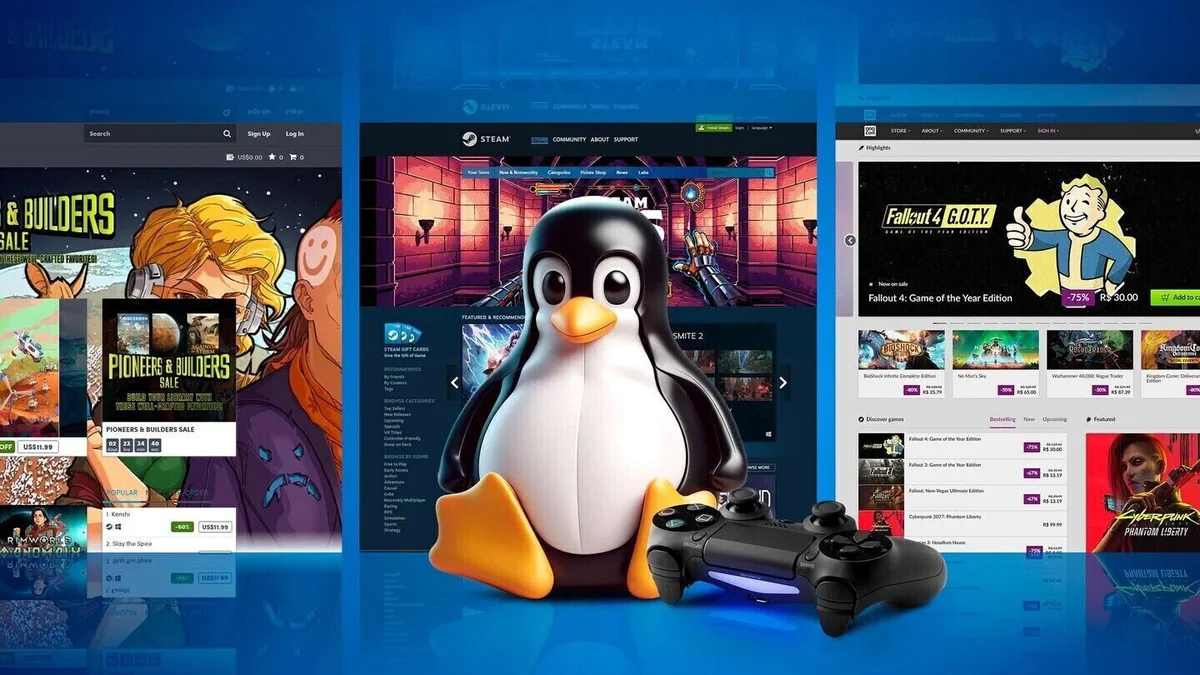
Anyone dreaming of a universal Steam client running smoothly across ARM-powered handhelds and laptops just hit a brick wall. Despite the rising computing power of Snapdragon silicon, Valve has clarified its official position on Linux.
Confronted on its official developer tracker, the Bellevue studio made its stance clear. Third-party ARM hardware will not receive official Steam Linux support anytime soon.
A GitHub Bug Report Closed in Seconds by Valve Engineers
The controversy ignited after a detailed technical ticket was posted on Valve's official GitHub repository. An owner of an AYN Odin 3 handheld was running Valve's native ARM64 Steam Linux client build on a Fedora-based distribution.
While Steam Remote Play and V4L2 hardware decoding functioned properly using HEVC, the client refused to expose AV1 decoding. That limitation persisted even though Qualcomm's onboard Snapdragon chip natively supports AV1 hardware playback.
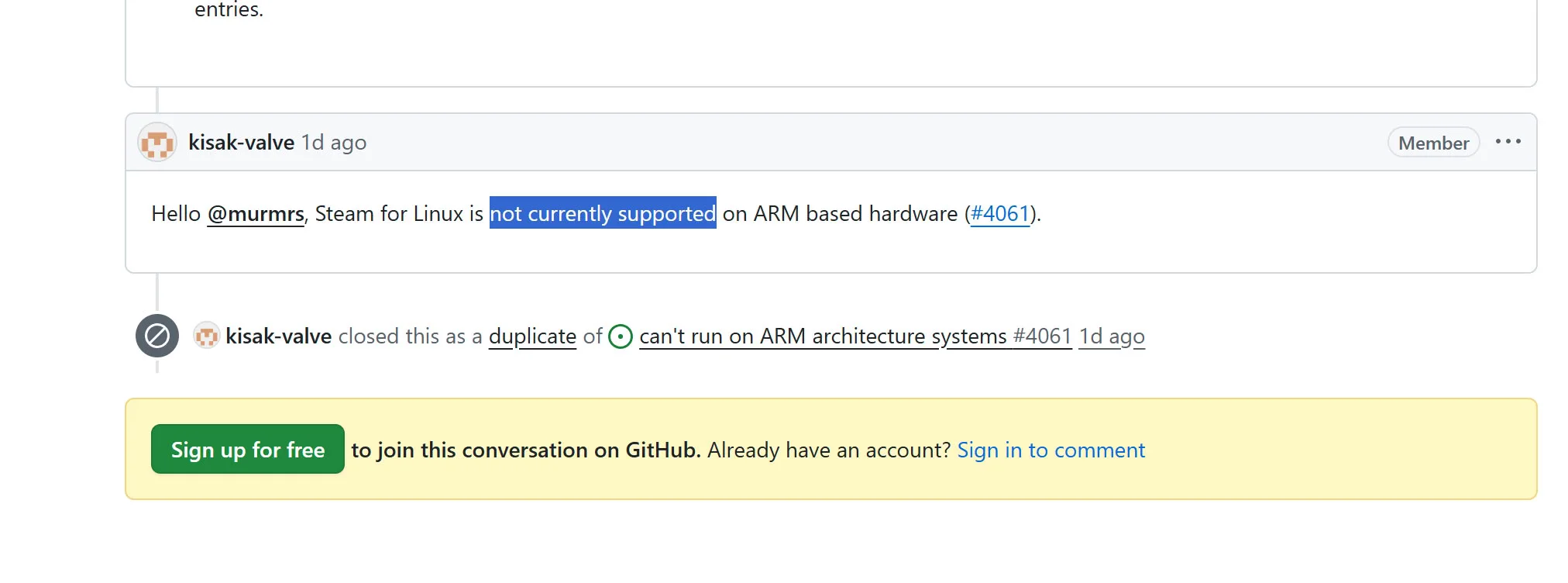
Valve did not investigate the driver or codec implementation. A Valve engineer closed the bug report immediately, stating: "Steam for Linux is not currently supported on Arm-based hardware."
The developer directed the user to a generic feature request originally filed in October 2015. Official Steam for Linux system requirements still mandate an x86-64 Linux kernel and an x86-64 processor from AMD or Intel.
The Steam Frame Paradox: ARM64 Silicon for Valve, but Not for You
The abrupt refusal highlights an ironic divide inside Valve's hardware strategy. Behind closed doors, Valve possesses deep expertise in ARM64 architecture.
Its standalone Steam Frame VR headset is powered by a Qualcomm Snapdragon 8 Gen 3 chip. To drive the device, Valve engineered an internal ARM64 SteamOS build and adapted its Proton 11.0 compatibility layer to run x86 PC games on mobile silicon.
While that technology allows x86 desktop titles to translate to ARM instructions, Valve treats it strictly as proprietary firmware for its own headset. Unlike Valve's official expansion of SteamOS to rival x86 handhelds like the ROG Ally, ARM remains tightly walled off.
Handheld Enthusiasts and Snapdragon Laptops Left in the Cold
The decision deals an undeniable blow to the mobile gaming community. Projects like Armada have spent months trying to repurpose Android handhelds from Ayaneo, Retroid, and Ayn into pocket-sized Steam Decks.
Modern mobile SoCs feature capable integrated GPUs, but community modders now know they cannot count on Valve when hardware quirks arise. Broken codecs, interface bugs, and video glitches will not be patched upstream.
The barrier is equally solid for Snapdragon X Elite laptops running desktop Linux. From Valve's business perspective, the active gaming audience on ARM Linux is too small to justify the massive ongoing costs of QA and driver validation.
Until ARM captures serious market share in mainstream PC gaming, AMD and Intel remain Valve's only priority. Independent modders can keep tinkering, but they will be doing it completely on their own.

SEO consultant for over 20 years and digital entrepreneur, Charles 'Grimtag' Ronchain is the founder of Pro-Gamer.gg, Retrocharting.com, and Gamescharting.com. A competitive gamer, streamer, and retro game collector, he has worked in the video game industry for over 15 years, notably as a consultant for leading game price comparison platforms. Passionate about real-time performance data and gaming technology, he analyzes competitive esports, gaming hardware benchmarks, and creator workflows on Pro-Gamer.gg with an authentic player perspective.