Jensen Huang's Succession: Five Years After the Failed $40B Buyout, GPU Giant NVIDIA Courts Arm CEO Rene Haas
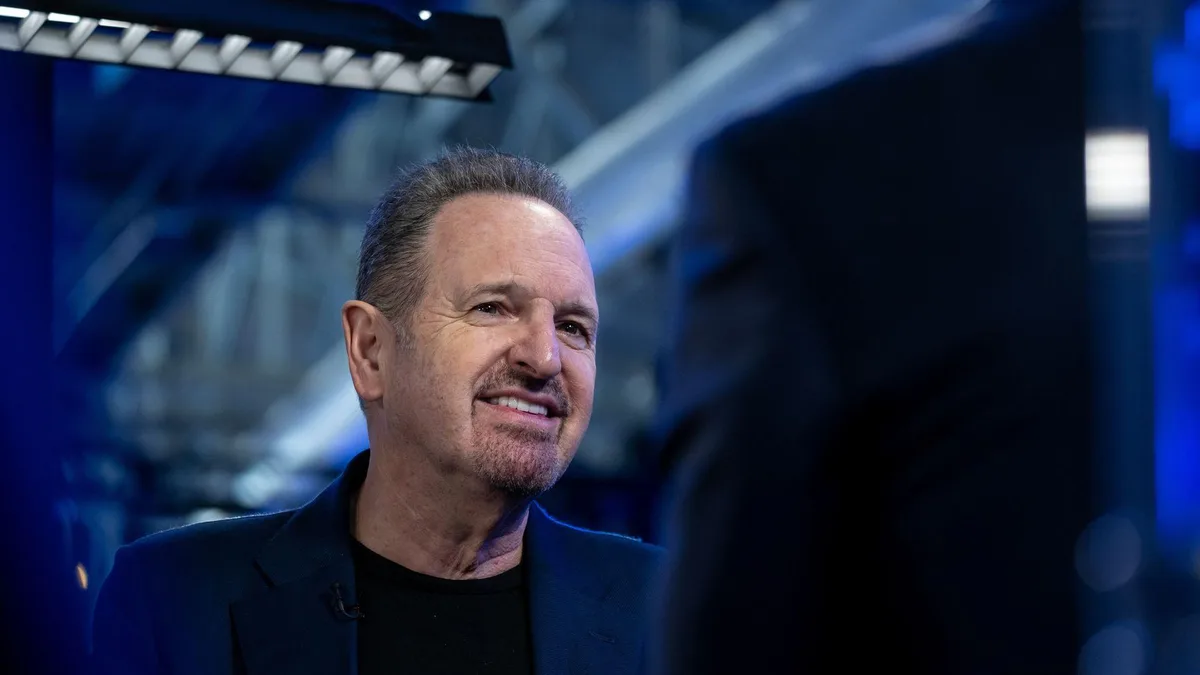
Thirty-three years after co-founding the company around a California diner booth, Jensen Huang has left behind the most coveted and perilous executive seat in Silicon Valley. Following his abrupt departure in the wake of an internal board investigation into his personal conduct and an intelligence probe involving a suspected foreign operative in his inner circle, longtime Chief Financial Officer Colette Kress has stepped in as Interim CEO. Behind closed doors, the board of directors of the world's most valuable semiconductor company is already moving fast: according to a report by the Financial Times, NVIDIA's board has approached Rene Haas, Chief Executive Officer of British chip designer Arm Holdings, to gauge his availability to succeed the leather-jacketed founder.
Rene Haas: The Former NVIDIA Vice President Now Leading Arm
Having Rene Haas at the top of the board's external shortlist is no coincidence. Before joining UK-based processor architecture giant Arm in 2013, rising to CEO in 2022, and steering its landmark 2023 initial public offering under majority owner SoftBank, Haas spent seven years inside NVIDIA's own executive ranks. Serving as Vice President and General Manager of NVIDIA's Computing Products business, he worked directly alongside Jensen Huang on mobile processors and the Tegra SoC lineup.
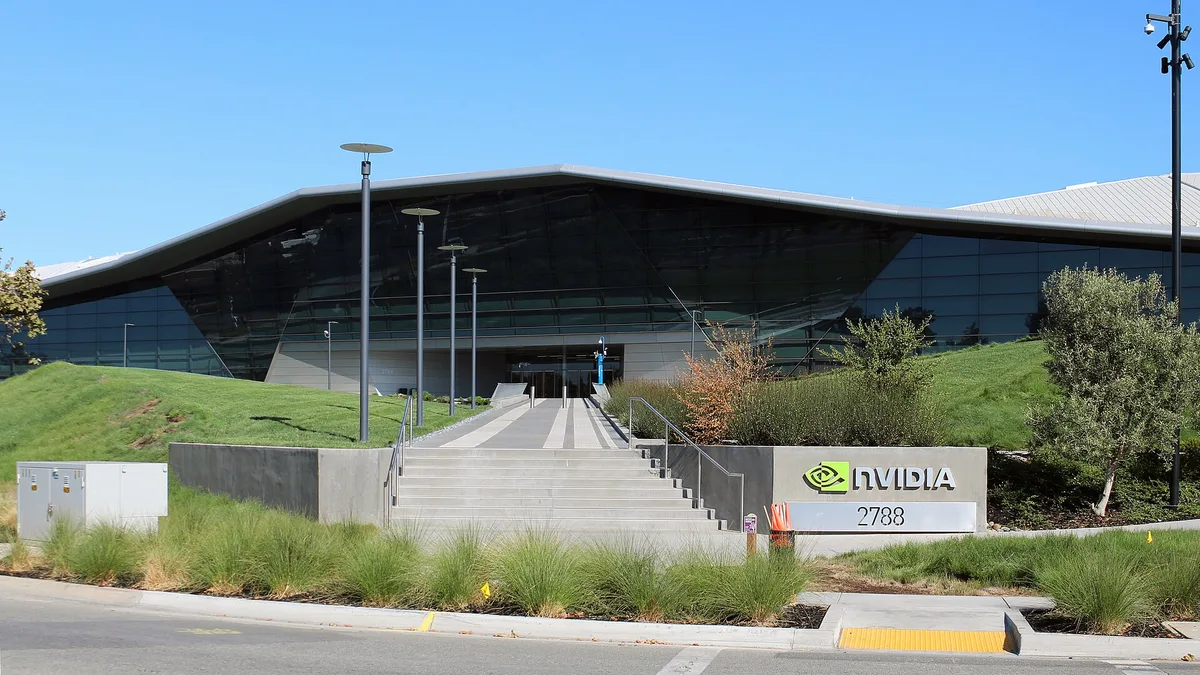
For gamers, that technical pedigree hits close to home: NVIDIA's custom Arm-based Tegra lineage powers both the original Nintendo Switch and the custom processor inside the Nintendo Switch 2. Even more striking is the historical irony of the board's outreach. In September 2020, NVIDIA attempted to acquire Arm outright for $40 billion, only to walk away from the deal in February 2022 after fierce antitrust pushback from regulators in the United States, the United Kingdom, and Europe.
From Vera Rubin Superchips to GeForce RTX: An Empire Tied to Arm Architecture
Five years after that blocked merger, the technological interdependence between Santa Clara and Cambridge has never been deeper. CPU cores designed under Rene Haas form the backbone of NVIDIA's Grace Blackwell AI systems as well as the upcoming NVIDIA Vera Rubin Ultra rack architecture built for hyperscale data centers. At the same time, NVIDIA is preparing a major push into the Windows on Arm PC market with a high-performance client APU pairing Arm CPU cores with integrated GeForce RTX graphics.

For PC gamers and hardware enthusiasts, whoever takes the helm at Santa Clara will directly shape wafer allocation priorities at TSMC between enterprise AI accelerators and consumer GeForce RTX 50 series graphics cards, where retail supply and pricing remain under intense pressure.
Colette Kress and CUDA Architect Ian Buck Contend Internally
Responding to reports of its outreach to the Arm chief executive, NVIDIA's board of directors issued an official statement through the official NVIDIA Newsroom. The board stated that it is currently selecting a leading executive search firm to conduct a formal succession process, calling any speculation regarding internal or external candidates "premature."
Should Rene Haas opt to remain at Arm under SoftBank, two prominent internal executives stand out at Santa Clara:
- Colette Kress: Currently serving as Interim CEO and NVIDIA's Chief Financial Officer since 2013, widely respected on Wall Street for steering the company's historic financial expansion over the past decade.
- Ian Buck: Vice President of Hyperscale and HPC at NVIDIA and the original creator of the CUDA parallel computing platform, the software moat behind NVIDIA's GPU dominance.
My Field Notes
Watching NVIDIA's board of directors knock on Rene Haas's door has a remarkable sense of industrial irony. Five years after antitrust regulators blocked NVIDIA from buying Arm for $40 billion, Santa Clara is now trying to recruit Arm's chief executive to replace a founder everyone assumed would run the company for life. As I was trading notes with Grimtag and Heimdall during tonight's hardware watch, it is easy to see why Haas checks every strategic box: he spent seven years inside NVIDIA running the Tegra division whose DNA now powers our Switch 2 consoles, and he controls the CPU architecture sitting beside every Grace Blackwell and Vera Rubin superchip. Still, from a PC builder's perspective, my biggest question remains the same: whether the job goes to Rene Haas, Colette Kress, or CUDA father Ian Buck, will NVIDIA's next CEO remember the GeForce RTX gamers who built the company's legacy long before the data center gold rush?

Originally from Lyon, France, gaming journalist Bastien "Orion" relocated nearly a decade ago to Quebec City's Saint-Roch district, right in the heart of eastern Canada's development studio hub. Before crossing the Atlantic, he honed his versatile reporting style across classic French gaming web portals and specialist television outlets in the 2000s and 2010s, notably with JeuxVideo.fr and JeuxNews. Equally passionate about AAA blockbusters, North American studio culture, retro preservation, and community modding projects, he anchors Pro-Gamer's transatlantic desk and real-time coverage of US and Japanese industry announcements.