$93 Million Stolen in Cold Storage Supply Chain Attack: Rogue 4G eSIM Chips Found Soldered Inside New Ledger Wallets
It is the absolute worst-case scenario that physical security researchers have warned about for years. For over a decade, cold storage has stood as the definitive gold standard for digital asset protection: air-gapping private keys completely away from connected computers and malicious software. Yet what happens when the device itself is physically compromised before it ever arrives at your doorstep? According to corroborated on-chain forensic reports and emerging hardware audits, more than $93 million in cryptocurrency has vanished in a chillingly sophisticated supply chain attack targeting brand-new Ledger hardware wallets.
The Hardware Autopsy: Rogue Circuitry Tucked Beneath the Screen
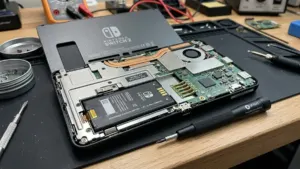
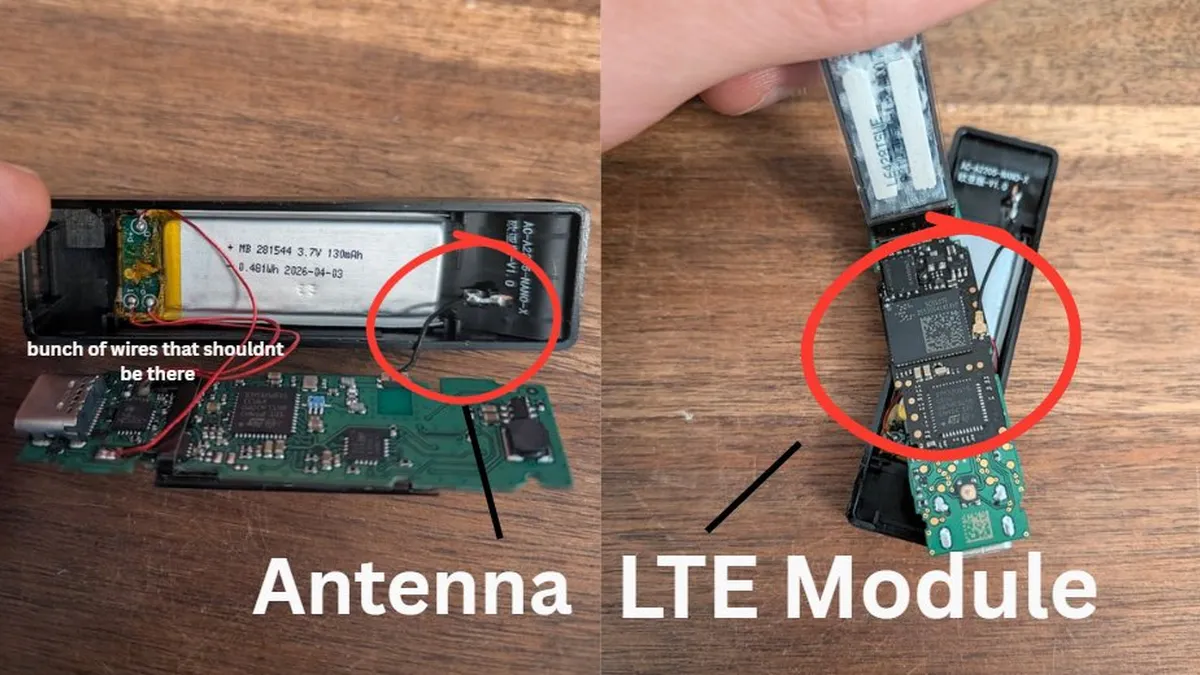
The alarm was initially sounded after several victims reported their wallets being completely emptied despite following standard security protocols, having never connected their seed phrases to any computer or mobile app. In response, independent hardware autopsies led by cybersecurity analysts and former Mt. Gox executive Mark Karpeles dismantled the affected units. What they discovered inside the casing resembled high-level espionage hardware.
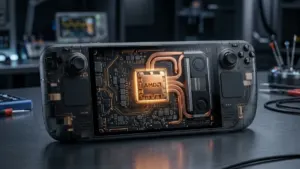
Concealed directly beneath the wallet's OLED display, occupying the exact space normally reserved for shock-absorbing foam padding, attackers had inserted a custom-soldered printed circuit board. This clandestine module houses a dedicated microcontroller, a miniature antenna, and a cellular LTE modem equipped with an active eSIM soldered directly onto the silicon.
How the Cellular Exploit Intercepts and Exfiltrates the Seed Phrase
The execution of this physical Trojan is as stealthy as it is effective. When a buyer powers on the device for initial setup, the wallet generates a 24-word recovery phrase (the master seed). At this exact moment, the rogue module passively monitors the electrical signal lines running directly to the OLED display controller, capturing every single word displayed to the user.
As soon as the generation sequence completes, the cellular module wakes up quietly. Utilizing the 4G mobile network through its pre-configured eSIM, the pirate chip transmits the complete recovery phrase back to remote command-and-control servers. The host machine requires no internet connection, no Wi-Fi access, and no USB communication for the exploit to succeed; the data exfiltration occurs entirely over the airwaves. The perpetrators then monitor the blockchain, waiting until victims deposit significant capital before draining the addresses remotely.
The Fatal Blind Spot: Bypassing Ledger's Official Genuine Check
What made this operation devastatingly effective was its ability to evade standard software detection. The attackers intentionally left Ledger's core security component, the STMicroelectronics ST33 Secure Element, completely untouched along with its factory-signed firmware. As a result, when an unsuspecting buyer plugged the device into a PC and launched the official Ledger Live application, the cryptographic Genuine Check verified the unit as 100% authentic.
Users were greeted with a green confirmation checkmark, leaving them entirely convinced of their device's integrity while their secret recovery keys were already compromised on remote servers.
Supply Chain Vector: The Interception of an Authorized Reseller
Following technical inquiries, Ledger confirmed that its manufacturing facilities in France and direct shipments dispatched via its official store remain entirely secure and uncompromised. The physical breach occurred downstream within the logistics pipeline of an authorized third-party distributor in Southeast Asia, CryptoBilis (operating in Malaysia, Indonesia, and the Philippines). Inventory was intercepted, disassembled, implanted with the rogue modules, and resealed before shipment to end-users. Ledger immediately ordered a complete halt to all distribution activities through this partner.
The Essential Rule for Mission-Critical Hardware Security
This incident offers an unvarnished lesson for the entire tech community. Much like the subtle risks tied to hardware-level security vulnerabilities and unchecked distribution chains, purchasing sensitive security gear through secondary markets, third-party merchants, or unauthorized vendors is an unnecessary gamble. Whether securing cryptocurrency assets or deploying hardware authentication keys to protect gaming and cloud developer accounts, purchasing direct from the manufacturer remains the only reliable shield against supply chain tampering.
Check certified FIDO2 hardware security keys on Amazon→
When physical implants can bypass cryptographic software checks, supply chain paranoia is no longer optional; it is the fundamental baseline of modern digital self-defense.

SEO consultant for over 20 years and digital entrepreneur, Charles 'Grimtag' Ronchain is the founder of Pro-Gamer.gg, Retrocharting.com, and Gamescharting.com. A competitive gamer, streamer, and retro game collector, he has worked in the video game industry for over 15 years, notably as a consultant for leading game price comparison platforms. Passionate about real-time performance data and gaming technology, he analyzes competitive esports, gaming hardware benchmarks, and creator workflows on Pro-Gamer.gg with an authentic player perspective.