Secretly Cancelled by Vivendi: How Starbreeze Finished Xbox Classic The Chronicles of Riddick Without Knowing It Was Dead
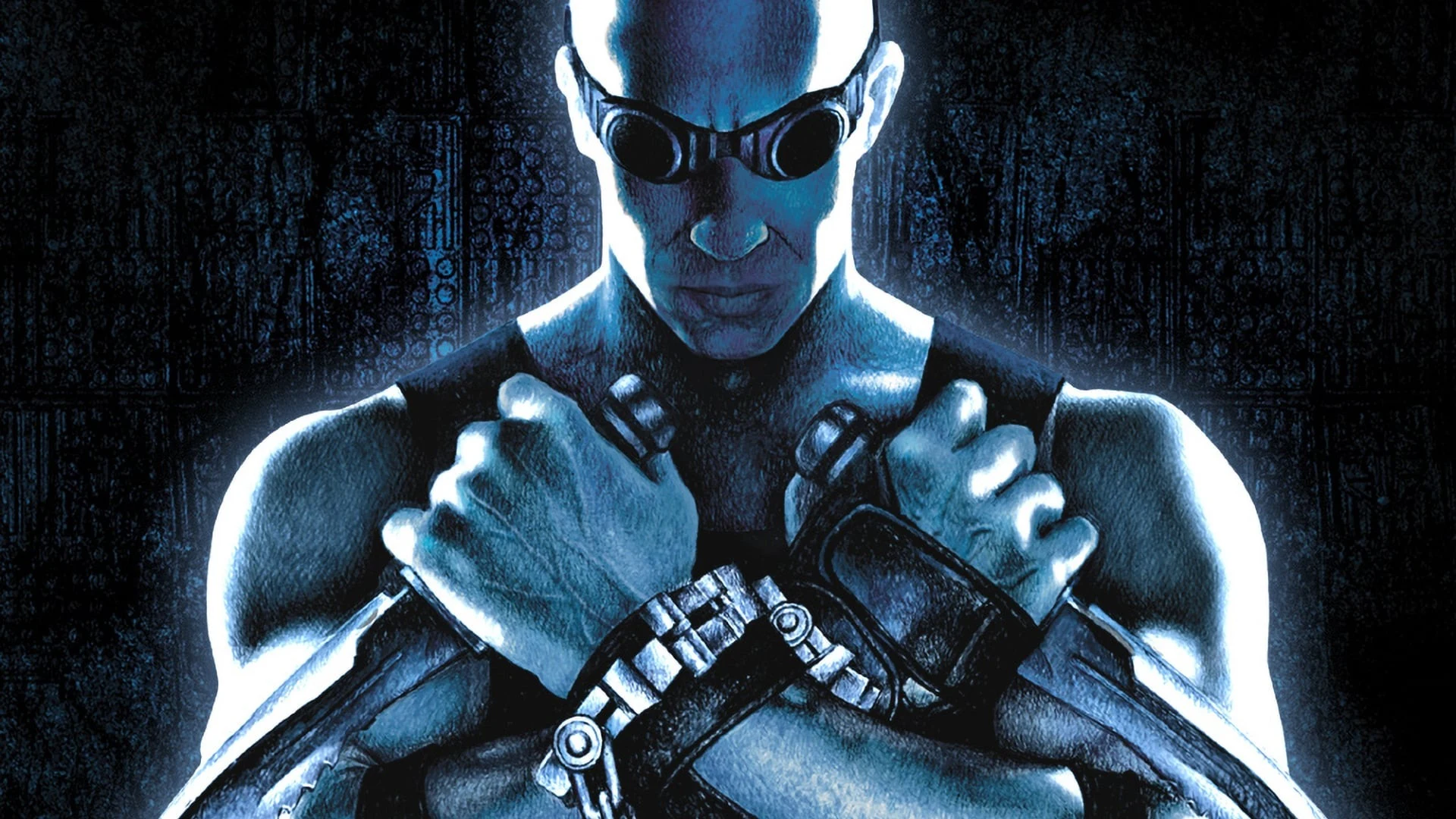
Released in June 2004 on the original Xbox before arriving on PC six months later, The Chronicles of Riddick: Escape from Butcher Bay stands as one of the finest movie tie-in games ever crafted, holding an 89 out of 100 score on Metacritic. Yet behind the scenes at Swedish developer Starbreeze Studios, the groundbreaking first-person stealth-action title was officially killed off by its publisher in 2003. The most remarkable part of the story is that nobody told the development team their project had been cancelled.
Why the PlayStation 2 Port Was Sacrificed to Save the Xbox Version
Originally, the production deal between Starbreeze Studios, Vin Diesel's Tigon Studios, and publisher Vivendi Universal Games mandated a simultaneous launch across Xbox, PlayStation 2, and PC. Inside Starbreeze's offices in Uppsala, Sweden, however, the studio's proprietary engine was built around real-time stencil shadows, per-pixel lighting, and normal mapping that pushed sixth-generation hardware to its absolute limits. According to Starbreeze co-founder Jens Andersson, who served as both Lead Game Designer and Lead Programmer on the project, the game was in rough shape all the way up to beta.
"The simplified story is that the game looked like shit all the way up to beta," Andersson explained. "The publisher, both Vivendi and Universal, had no faith in our ability to finish that project. And I understand why. It didn't play well, it didn't look well, it barely ran, and we were signed up to do both the PlayStation 2 and Xbox version."
While the original Xbox architecture with its 733 MHz Pentium III CPU, NVIDIA NV2A GPU, and built-in 8 GB hard drive allowed Starbreeze to cache streaming assets and render complex shaders in hardware, Sony's PlayStation 2 required custom rendering workarounds from scratch. With the entire Xbox build completed in just 18 months, the PS2 version was lagging several months behind schedule. Given an ultimatum to either drop the PlayStation 2 port or watch the project die, Starbreeze reluctantly agreed to axe the PS2 edition and trim several stages to pour every remaining resource into the Xbox release.
How Producer Peter Wanat Secretly Un-Cancelled the Game via Universal
What the developers in Uppsala did not know at the time was that Vivendi Universal Games executives had not merely approved dropping the PlayStation 2 port: they had pulled the plug on the entire project across all platforms, Xbox included. The only reason Starbreeze kept coding through the cancellation window was a deliberate act of corporate defiance by late executive producer Peter Wanat (who passed away in 2015), credited on the game for both production and its original concept.
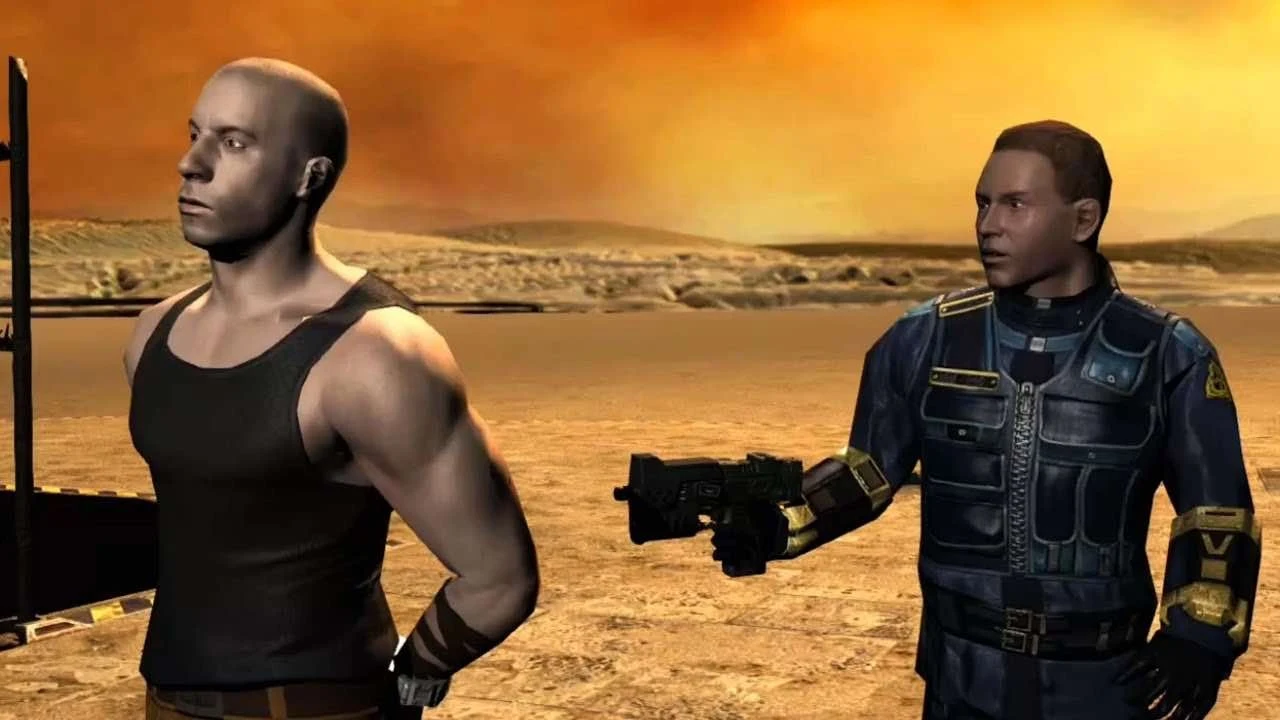
"At that point in time, the project actually got cancelled by the game publisher, but the fun part is that we were never told," Andersson revealed. "And that was very intentional by the game publisher's producer, Peter Wanat. He basically went to the movie publisher and asked them for help, because the game publisher was contractually obliged to deliver a game, so he managed to get the game un-cancelled by going around to other powerful people."
By shielding Starbreeze from the cancellation notice, Wanat bought himself enough time to appeal directly to Universal Pictures executives, reminding the film studio that the gaming division was legally bound to deliver a companion tie-in for the theatrical release of The Chronicles of Riddick. Much like the behind-the-scenes stories uncovered in our feature on how Rockstar Games conducted covert street research for the GTA series, some of gaming's defining classics survived purely through backchannel persistence. When Starbreeze staffers were finally told the truth after the project had been reinstated, they realized how close the studio had come to collapse: "When we were told this after the fact, we were like, 'wow, we were this close to being out of a job.' But it did free up resources to finish the game, and we barely finished that game on time."

Lost Source Code and the Direct Lineage to MachineGames
Looking back two decades later, Andersson still wonders what might have happened if the PlayStation 2 build had been given a few extra months. Internally, the PS2 prototype was starting to look remarkably sharp, and Andersson believes it could have stood among the best-looking titles on Sony's console, potentially generating massive commercial returns on PS2's huge install base. Despite earning universal critical praise on Xbox (89/100 on Metacritic) and receiving an expanded campaign in 2009's The Chronicles of Riddick: Assault on Dark Athena, the original source code for Escape from Butcher Bay is now lost, leaving static recompilation and decompilation tools as the most realistic avenue for a modern high-resolution revival.
| Timeline / Milestone | Key Event Around Butcher Bay | Technical & Industry Impact |
|---|---|---|
| 2002 - 2003 | Multiplatform development (Xbox, PS2, PC) on an 18-month schedule | PS2 port falls months behind due to dynamic lighting and hardware shader demands |
| Late 2003 (Beta) | Vivendi Universal Games cancels the entire project across all formats | Producer Peter Wanat withholds the news from Starbreeze and gets Universal Pictures to reinstate it |
| June 1, 2004 | Console-exclusive launch on original Xbox (followed by PC Developer's Cut in Dec 2004) | 89/100 Metacritic score; benchmark for HUD-less immersion and first-person melee combat |
| April 2009 | Release of The Chronicles of Riddick: Assault on Dark Athena (Xbox 360, PS3, PC) | Includes remastered Butcher Bay campaign before later digital delisting and lost source code |
| 2009 - 2024 | Starbreeze founders establish MachineGames in Uppsala, Sweden | Direct creative lineage to Wolfenstein: The New Order and Indiana Jones and the Great Circle (with Andersson as Design Director) |
Even if the original game remains locked to older hardware, its creative DNA defines an entire branch of modern first-person action design. In 2009, Starbreeze's founding core departed to establish MachineGames in Uppsala. And when MachineGames crafted the heavy first-person brawling, stealth, and tactile world interaction of Indiana Jones and the Great Circle in 2024, it was Jens Andersson himself who reunited with his former colleagues as Design Director, carrying forward the exact design philosophy born inside Butcher Bay twenty years earlier.
Check The Chronicles of Riddick: Escape from Butcher Bay deals on Allkeyshop→
My Perspective
What strikes me most about Jens Andersson's recollection is the sheer butterfly effect triggered by Peter Wanat's refusal to pick up the phone in 2003. Had Wanat dutifully relayed Vivendi's cancellation order to Uppsala, Starbreeze would almost certainly have folded before the end of that fiscal year. Not only would players have lost the greatest movie tie-in of the sixth console generation, but the exact Swedish development core that went on to build The Darkness, found MachineGames, reboot Wolfenstein, and deliver Indiana Jones and the Great Circle might have scattered to the wind. An entire pillar of modern narrative first-person design survived because one producer chose to fight corporate bureaucracy behind closed doors while letting his developers work in peace.
Originally from Lyon, France, gaming journalist Bastien "Orion" relocated nearly a decade ago to Quebec City's Saint-Roch district, right in the heart of eastern Canada's development studio hub. Before crossing the Atlantic, he honed his versatile reporting style across classic French gaming web portals and specialist television outlets in the 2000s and 2010s, notably with JeuxVideo.fr and JeuxNews. Equally passionate about AAA blockbusters, North American studio culture, retro preservation, and community modding projects, he anchors Pro-Gamer's transatlantic desk and real-time coverage of US and Japanese industry announcements.