"Somewhere Between Location Scouting and Espionage": Masked Lookouts, Pablo Escobar's Smuggler, and Real Gangsters Inside Rockstar's GTA Research
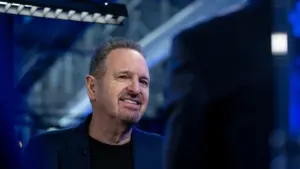
Sitting in the back of a police cruiser late at night in East Los Angeles, Gregory Johnson was not under arrest, though the armed officers in the front seats were every bit as tense as he was. A 16-year veteran of Vibe Magazine and former contributor to The Source who served as a senior researcher and writer at Rockstar Games from 2003 to 2020, Johnson has pulled back the curtain on the extreme fieldwork that shaped the criminal underworlds of Grand Theft Auto V, GTA Online, and Grand Theft Auto VI.
Rooftop Whistles and Masked Cyclists: A High-Tension Night in East Los Angeles
While scouting the gritty neighborhoods that would inspire Los Santos in Grand Theft Auto V, Gregory Johnson joined a late-night police ride-along deep inside active East Los Angeles gang territory. As the patrol car turned a corner, a sharp whistle echoed from a nearby roof, setting off a human daisy chain of fading warning whistles across the rooftops to alert local gang members that law enforcement was in the area.
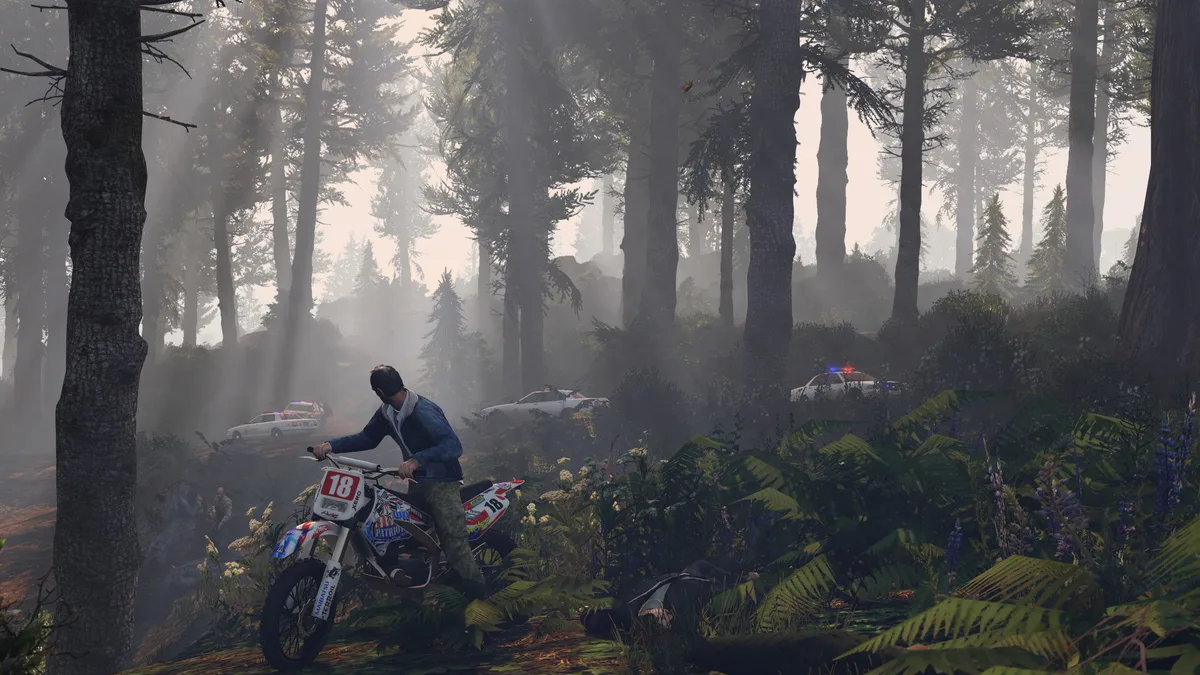
Moments later, masked men on bicycles shot out of dark alleyways, pedaling fast to pull up on both sides of the cruiser and escort it down the street while staring directly through the windows. Inside the vehicle, the team had to keep their composure while poking long camera lenses out the windows to snap reference photographs without sparking a confrontation.
"I had to keep everybody cool in the group. We've got a bunch of guys from Scotland and England, Ireland. Never seen anything like it. They're like, 'Is everything okay, Greg?' 'Yeah, everything's fine.' Completely lying. 'Everything's fine, guys.' It was somewhere between location scouting and espionage."
Gregory Johnson, former senior researcher and writer at Rockstar Games
For the visiting British and Scottish developers accustomed to Rockstar North's headquarters in Edinburgh, feeling that fight-or-flight electricity firsthand was essential. As Johnson explained, capturing the true mood of a city, from its decadent Hollywood Hills mansions to the low-income blocks across the Los Angeles River, requires experiencing that underlying dread in person so it can be translated into open-world design.
Dan Houser's Internal Research Unit and Pablo Escobar's Submarine Smuggler
Recruited in 2003, Gregory Johnson helped build the professional cultural research department envisioned by Rockstar co-founder Dan Houser as an internal investigative reporting team. From Jamaican Yardies and Yakuza syndicates to Mafia families and underground street racing meets, Johnson embedded himself in local subcultures and filed weekly dispatches on Rockstar's internal blog.
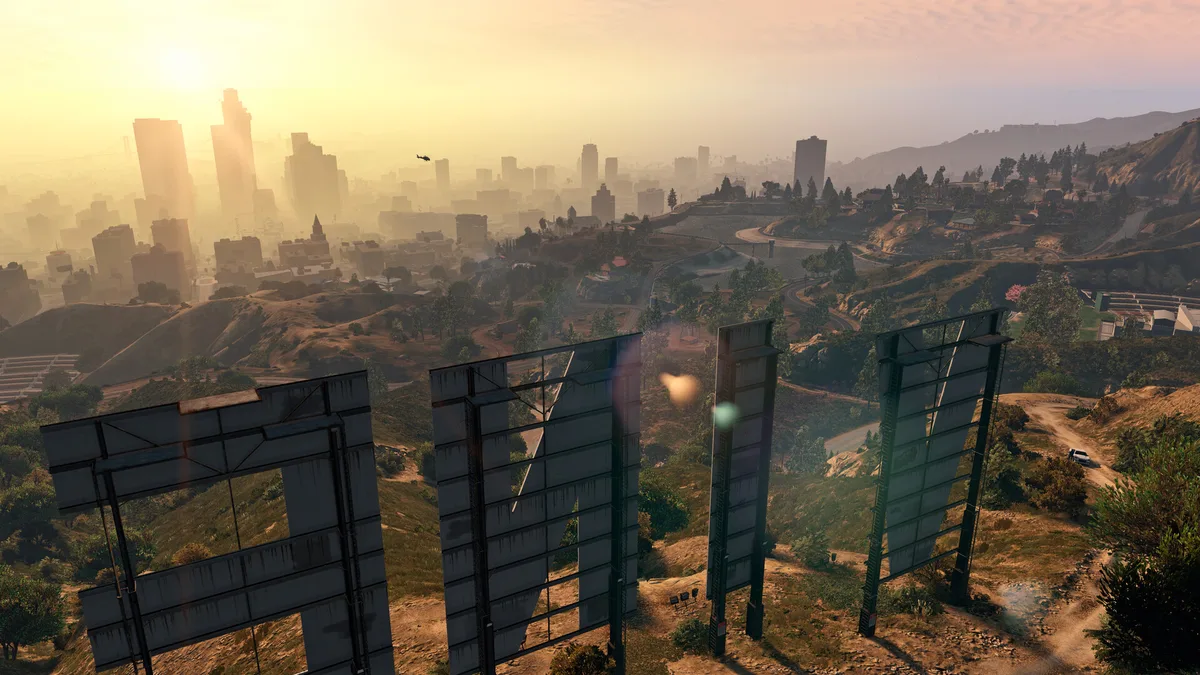
Those field reports became the foundation for radio commercials, in-game TV shows, random world events, and ambient pedestrian dialogue, a craft Rockstar took so seriously that it built an entire studio dedicated solely to writing NPC street chatter. In Miami, that mandate led the research team to a veteran smuggler from the 1970s and 1980s Cocaine Cowboys era who personally knew Medellín Cartel boss Pablo Escobar.
The former trafficker had helped Colombian cartels engineer their early underwater submersible systems to haul contraband from the Colombian coast directly into the United States before routes shifted through Mexican cartels. His accounts of paying tribute to Escobar, surviving a kidnapping in a dingy room at the hands of a rival cartel member, and operating makeshift narco-submarines helped inform the Cayo Perico heist in GTA Online, though Johnson admitted that hanging out with the smuggler in Miami carried the constant realization that old cartel scores could be settled at any moment without distinguishing who was standing next to him.
Real Salvadorian Gangsters in the Recording Booth and Helicopter Runs for GTA 6
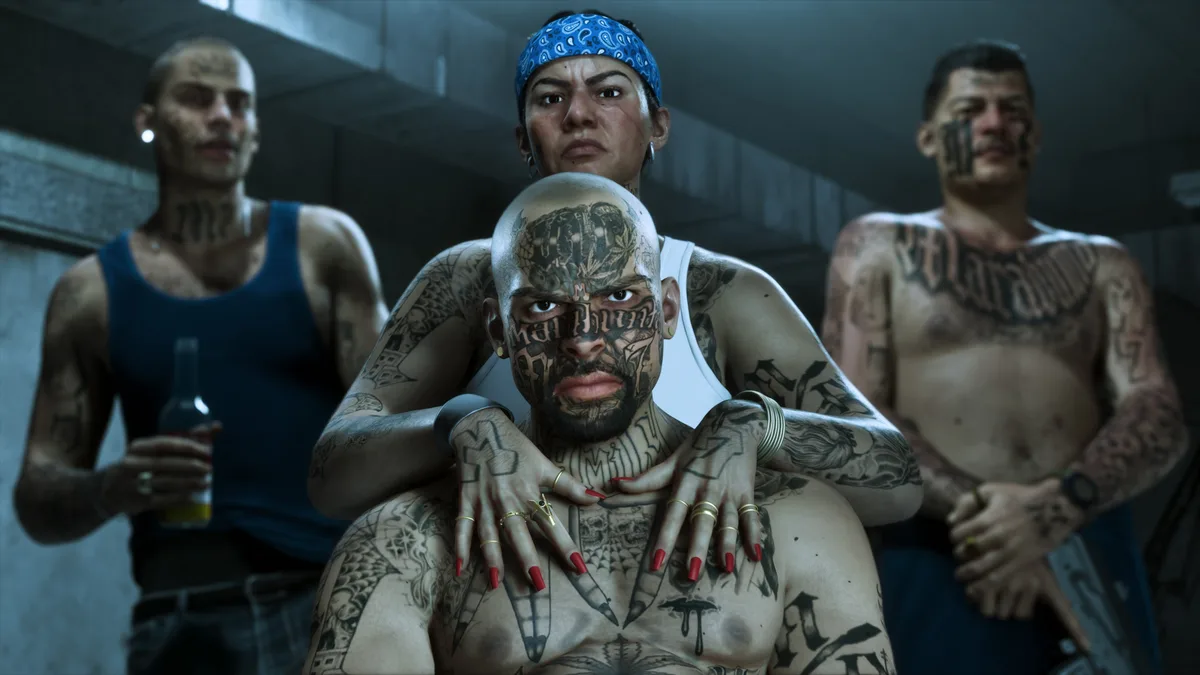
Some of the most intense moments happened directly inside Rockstar's voiceover and motion-capture studios alongside Dan Houser, production director Rod Edge, and radio host turned writer Lazlow Jones. Taking inspiration from The Sopranos and Baltimore street casting on The Wire, producer DJ Pooh, photographer Estevan Oriol, and tattoo artist Mister Cartoon brought real Los Angeles gang members into the recording booth for minor roles and ambient dialogue.

Directors found themselves asking heavily tattooed Salvadorian gangsters to deliver lines with more enthusiasm, only for the actors to rewrite the script on the spot ("Check this out, bro. We wouldn't say that like that. We say this like this"), injecting up-to-the-minute street slang that no writer could fabricate from a desk.
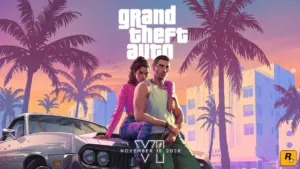
Before leaving the company halfway through the development of GTA 6, Gregory Johnson also joined early Florida scouting trips, visiting prisons, sitting down with FBI agents, and flying low in a helicopter from Miami all the way to Key West over the barrier islands with a long lens. Players will finally step into the result of that obsessive groundwork when Grand Theft Auto VI launches worldwide on November 19, 2026.
My Take
This is the exact reason every studio that has tried to clone Grand Theft Auto over the past twenty years has fallen flat. While other publishers stitch together sterile open worlds from stock photo libraries, Rockstar puts its researchers in the back of East L.A. patrol cars, interviews Pablo Escobar's former submarine smugglers in Miami, and lets real street guys brought in by DJ Pooh and Mister Cartoon rewrite dialogue in the booth. You cannot fake that kind of street-level documentary grit with an algorithm, and it is why every block of Los Santos and Vice City feels alive.

SEO consultant for over 20 years and digital entrepreneur, Charles "Grimtag" is the founder of Pro-Gamer.gg, Retrocharting.com, and Gamescharting.com. A competitive gamer, streamer, and retro game collector, he has worked in the video game industry for over 15 years, notably as a consultant for leading game price comparison platforms. Passionate about real-time performance data and gaming technology, he analyzes competitive esports, gaming hardware benchmarks, and creator workflows on Pro-Gamer.gg with an authentic player perspective.