After 5 Years Running Call of Duty Live Services, Sam Cooper Takes Over Battlefield Studios at EA
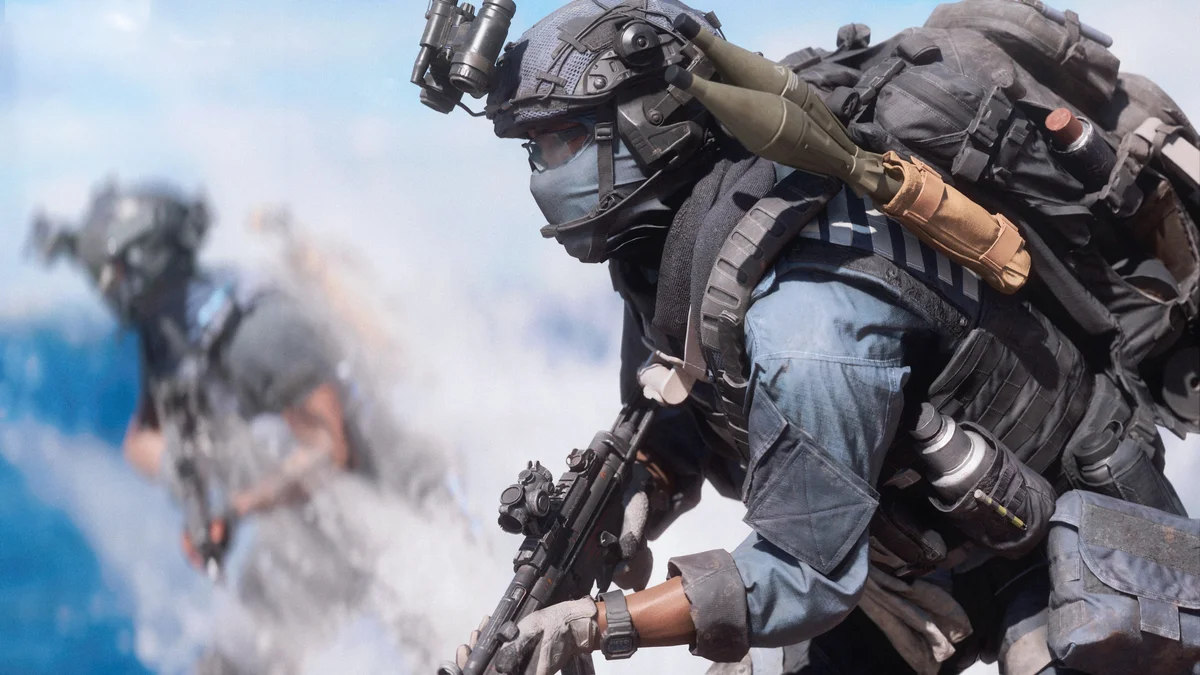
Electronic Arts is doubling down on its executive pipeline from its biggest military shooter rival. Following a major promotion at the top of its studio group for Byron Beede, the publisher has officially appointed Sam Cooper, another former Call of Duty executive from Activision, to take over as General Manager leading all projects across Battlefield Studios.
Byron Beede Promoted to Group GM as Sam Cooper Steps Up to Lead Battlefield
Revealed by both executives via LinkedIn, the leadership reshuffle reshapes how Electronic Arts oversees its core action portfolio. Byron Beede, who originally joined EA in 2021 as General Manager of Battlefield after nearly two decades leading the Call of Duty business at Activision, has been promoted to Group General Manager. In his expanded role, Beede now oversees EA's broader shooter and action-RPG portfolio, stepping into the strategic executive remit previously held by the late Vince Zampella.
To fill the vacancy at the helm of the franchise, EA has appointed Sam Cooper as the new General Manager of Battlefield. While Cooper previously held a role at EA Sports before joining the shooter division, he is best known in the industry for spending roughly five years at Activision as global head of product management and head of live service for Call of Duty. That background in seasonal monetization and player retention now puts him in direct command of the entire Battlefield roadmap, right as Activision establishes its internal Emerging Franchises division to build new hits beyond Call of Duty.
DICE, Ripple Effect, Motive, and Criterion Under One Battlefield Studios Banner
Cooper's appointment reinforces a five-year strategic push by Electronic Arts to mirror Activision's multi-studio production powerhouse. To sustain year-round seasonal content alongside full-scale sequels, EA consolidated four major internal developers under the unified Battlefield Studios umbrella:
- DICE (Stockholm), the series creator leading core multiplayer warfare and vehicle combat;
- Ripple Effect Studios (Los Angeles), spearheading live ecosystems and new online modes;
- Motive Studio (Montreal), contributing single-player narrative and map design;
- Criterion Games (Guildford), providing full-franchise gameplay and engineering support.
Battlefield 6, Redsec Battle Royale, and Live-Service Acceleration After EA's $55B Buyout
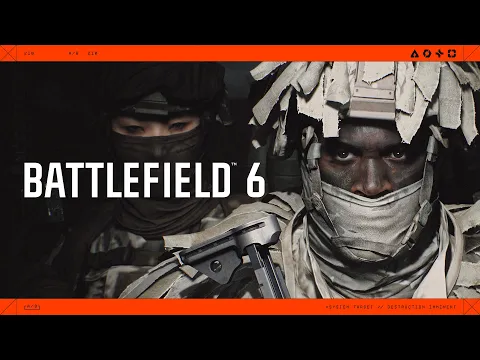
That organizational blueprint has already delivered the commercially successful Battlefield 6 alongside Redsec, its free-to-play Battle Royale mode built to compete directly with Call of Duty: Warzone. At the same time, long-time fans have pointed out how closely modern Battlefield now resembles its competitor: from the streamlined user interface and frequent limited-time events to flashy store cosmetics, multi-tiered battle passes with higher-priced premium tracks, and controversial adjustments to the traditional class system designed to broaden mass-market appeal.
While the full creative impact of Sam Cooper's promotion likely will not materialize until the next mainline entry in the series, the move aligns squarely with Electronic Arts' post-buyout priorities. Following its $55 billion acquisition backed by private equity and Saudi Arabia's Public Investment Fund (PIF), the publisher is leaning harder than ever into predictable live-service revenue across its biggest tentpole franchises.
My Take
Handing the keys of Battlefield Studios to Call of Duty's former head of live services leaves zero doubt about where Electronic Arts wants this franchise to go. From a purely operational standpoint, locking DICE, Ripple Effect, Motive, and Criterion into a unified pipeline has fixed the content droughts that crippled past launches, and Battlefield 6 paired with Redsec has proven that the commercial model works. Still, for veteran squad players, the ongoing Call-of-Duty-ification comes at a real identity cost. Between loud cosmetic bundles, premium battle pass tiers, and watered-down class restrictions, the line separating the two military shooter giants gets blurrier every season. Sam Cooper knows how to keep a live-service juggernaut printing money, which is music to the ears of EA's $55 billion buyout backers, but the real test will be keeping Battlefield's sandbox soul intact in the next installment.

SEO consultant for over 20 years and digital entrepreneur, Charles "Grimtag" is the founder of Pro-Gamer.gg, Retrocharting.com, and Gamescharting.com. A competitive gamer, streamer, and retro game collector, he has worked in the video game industry for over 15 years, notably as a consultant for leading game price comparison platforms. Passionate about real-time performance data and gaming technology, he analyzes competitive esports, gaming hardware benchmarks, and creator workflows on Pro-Gamer.gg with an authentic player perspective.