Esports Academies & Pro Bootcamps: How Tier-1 Teams Scout and Train Next-Gen Talent
- See also: The complete guide to esports colleges and training academies
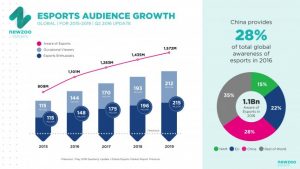
Competitive gaming has evolved from an underground subculture into a global, multi-billion-dollar sports ecosystem. With millions of competitive players grinding ranked ladders every day, breaking into the professional tier has become as demanding and fiercely contested as entering professional basketball or soccer.
To identify and cultivate raw talent before it hits the open market, premier organizations across the globe no longer rely on chance. The era of casual solo queue recruiting has been replaced by structured esports academies, dedicated development rosters, and high-intensity bootcamps designed to turn mechanical prodigies into championship-caliber professionals.
What does this development pipeline actually look like inside tier-1 franchises? How do scouting directors evaluate prospective recruits, and what skills are non-negotiable for the next generation of esports athletes?
The Academy Pipeline: How Franchises Cultivate Future Champions
In major competitive ecosystems like League of Legends (LEC, LCS, LCK, LPL) and Counter-Strike 2, top-tier organizations operate formal academy rosters. In Europe, the European Regional Leagues (ERLs) like the French LFL and Spanish Superliga serve as intense proving grounds. In North America, the NACL fulfills that developmental role, while South Korea's LCK Challengers operates as an unforgiving developmental crucible.
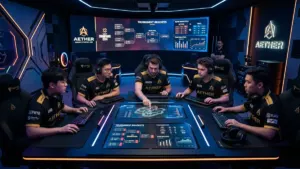
These academy squads do not simply play matches: they live and train under identical conditions to starting franchise rosters. Recruits learn how to navigate structured scrim blocks, study macro theory, and master the professional communication protocols that separate ladder pub-stars from coordinated five-man tournament units.

The curriculum of a world-class esports academy or development roster is divided into two fundamental phases:
1. Comprehensive Core Fundamentals: Players undergo thorough evaluations to identify baseline game knowledge, map awareness, crosshair placement, and verbal comms discipline. They are exposed to various strategic playstyles to ensure they understand how every role impacts team win conditions.
2. Role Specialization and Micro-Optimization: Once a player's core identity is established, position-specific coaches dive deep into micro-mechanics. If a player shows elite mid-lane carry potential, training focuses on wave management, tempo resets, vision control, and champion pool elasticity under draft restrictions like Fearless Draft.
The Anatomy of a Pro Bootcamp: What Actually Happens Behind Closed Doors
Ahead of international championships or regional playoffs, organizations gather in private training facilities for intensive multi-week bootcamps. A typical high-performance bootcamp day follows a strict sports science regimen:
- 10:00 AM - Physical Conditioning & Nutrition: Morning cardio, dynamic stretching, and nutrient-dense breakfasts to prime cognitive alertness.
- 11:30 AM - Tactical Video Review (VODs): Breakdown of previous practice matches, scouting opponent tendencies, and establishing the day's strategic objectives.
- 1:00 PM to 5:00 PM - Scrim Block 1: High-stakes practice matches against rival tier-1 teams with live coaching observation.
- 5:00 PM - Tactical Debrief & Mental Decompression: Immediate game debrief with the coaching staff, followed by an evening meal and team walks.
- 7:00 PM to 10:00 PM - Scrim Block 2 or Targeted Solo Queue: Testing new pocket picks, drilling specific champion matchups, or practicing coordinated site executions.

Beyond the Keyboard: The Multidisciplinary Performance Staff
Elite performance requires far more than clicking heads. Tier-1 organizations surround academy prospects with a specialized support network:
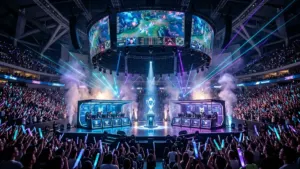
- Sports Psychologists & Mental Performance Coaches: Mental fortitude is the ultimate differentiator at the pro level. Mental coaches teach emotional regulation, tilt resilience, and pre-match mindfulness routines to ensure players remain composed under deafening arena pressure.
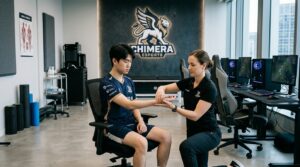
- Physiotherapists & Ergonomic Specialists: Repetitive strain injuries (RSI), carpal tunnel syndrome, and posture fatigue can terminate an esports career prematurely. Daily stretching routines, hand therapy, and tailored desk setups keep players physically durable.
- Data Analysts & Strategy Coordinators: Analysts parse thousands of data points to evaluate objective priority, trade efficiency, and enemy warding patterns, giving players clear, actionable tactical advantages.
How Tier-1 Teams Scout New Talent in 2026
Scouts no longer just look at who sits at rank 1 on the ladder. When tier-1 organizations scout prospective academy signings, they evaluate three non-negotiable qualities:
1. Communication and Voice Comms Demeanor: Can the player convey concise, actionable information during chaotic teamfights without cluttering voice channels with panic or blame?
2. Coachability and Adaptability: How does the player respond to direct critique during VOD reviews? Prodigies who get defensive rarely survive the transition to organized team play.
3. Mental Resilience in Adversity: How does the player perform when falling behind early? Do they maintain discipline and execute comeback setups, or do they mentally check out?
The pathway from solo queue grinder to world champion is demanding, but through structured academies and professional bootcamps, the esports industry has established a clear, merit-driven bridge to the global stage.

SEO consultant for over 20 years and digital entrepreneur, Charles 'Grimtag' Ronchain is the founder of Pro-Gamer.gg, Retrocharting.com, and Gamescharting.com. A competitive gamer, streamer, and retro game collector, he has worked in the video game industry for over 15 years, notably as a consultant for leading game price comparison platforms. Passionate about real-time performance data and gaming technology, he analyzes competitive esports, gaming hardware benchmarks, and creator workflows on Pro-Gamer.gg with an authentic player perspective.