Starting and Scaling an Esports Team in 2026: Legal Setup, Roster Contracts, Local Sponsors, and Prize Distribution
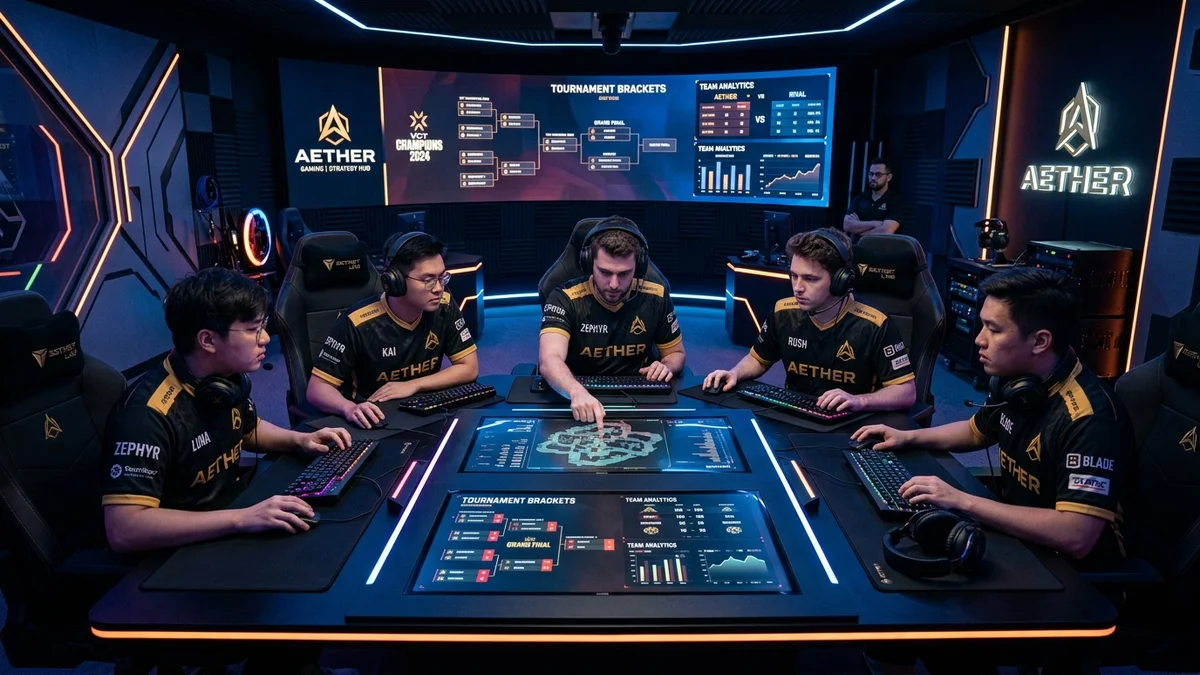
Setting up a Discord server with friends and commissioning a clean logo takes minutes, but building a resilient competitive organization is an entirely different challenge. In 2026, the grassroots and semi-professional esports landscape has matured significantly. Tournament organizers require verified rosters, competitive platforms run strict fraud checks, and aspiring players expect management that delivers on its commitments.
Yet, nearly nine out of ten newly created esports clubs disband before reaching their twelve-month milestone. This failure rate is rarely caused by a lack of in-game mechanical talent. Instead, it stems from administrative chaos, financial misunderstandings, and poor governance. Structuring your club properly from day one is the single most important investment you can make to protect your team against roster implosions and premature burnout.
Step 1: Establishing the Legal Entity (Nonprofit vs LLC)
For most grassroots teams, launching as a formal nonprofit association or registered amateur sports club is the most cost-effective starting point. Depending on your jurisdiction (such as a 501(c)(3) in the United States, an unincorporated association or Community Amateur Sports Club in the UK, or an association loi 1901 in France), this legal structure provides organizational standing without requiring heavy upfront capital.
Operating through a formal legal entity creates separation between organizational liability and personal assets. It also establishes an official leadership structure with clearly defined responsibilities:
- The President or General Manager: serves as the official legal representative, oversees competitive operations, executes league agreements, and handles tournament relations.
- The Treasurer: maintains accurate accounting ledgers, manages corporate bank accounts, and audits all incoming and outgoing cash flows.
- The Operations Secretary: documents board resolutions, tracks membership agreements, and ensures regulatory compliance.
Once registered, securing an official tax identification number (EIN, Company Number, or SIRET) enables the organization to open a dedicated commercial bank account (using business fintech providers like Mercury, Brex, or Qonto). This dedicated account is strictly required to collect tournament prize money, issue valid sponsorship invoices, and purchase team gear without commingling personal funds.
Jumping immediately into a commercial for-profit corporation (like an LLC or corporation) is often a costly mistake for a club without existing revenue. For-profit entities generate recurring state franchise fees, accounting requirements, and tax obligations that drain resources before the team even plays its first official match. Transition to a commercial company only when annual revenues and merchandising profits clearly justify full-time salaries.
Step 2: Roster Agreements and Code of Conduct
Roster instability is the primary killer of grassroots esports organizations. A player tilts after a string of qualifier losses, leaves the Discord without notice twenty-four hours before a championship playoff, and invalidates months of preparation. Because amateur clubs cannot offer full-time employment contracts, player commitment must be secured through a formal Volunteer Player Agreement and a comprehensive Team Code of Conduct.
This written agreement, signed by each player (and a parent or guardian for minors), must include four critical protections:
- Mandatory Attendance and Practice Standards: explicit scheduling for weekly team scrimmages, dry runs, tactical review sessions, and an obligation to provide at least 48 hours of advance notice for any absence.
- Name, Image, and Likeness (NIL) License: explicit permission allowing the organization to display the player's tag, voice, headshot in team jersey, and match highlights across social media channels, Twitch streams, and commercial sponsorship pitches.
- Integrity and Anti-Toxicity Clause: absolute prohibition of hate speech, toxic behavior in public lobbies, harassment, or third-party cheating software, with immediate termination for breach of conduct.
- Exit Notice Period: a mandatory 15 to 30-day notice requirement before any voluntary departure, providing the organization sufficient time to trial and sign a replacement without forfeiting active league slots.
Step 3: Annual Operating Budget for an Amateur Season
Running a competitive roster without a documented balance sheet leads directly to insolvency. Competition expenses accumulate quickly once an organization registers for sanctioned open qualifiers and commits to LAN tournaments.
Below is a realistic annual operating budget for a six-person roster (five starters plus one coach/substitute) across a ten-month competitive season:
| Budget Item | Operational Scope | Estimated Cost ($/€) |
|---|---|---|
| Official Team Jerseys | 6 full-sublimation custom jerseys with sponsor logos and player gamer tags ($35 each) | $210 |
| League & Tournament Entry Fees | Platform subscriptions (Faceit, ESEA), open circuit dues, and qualifier passes | $320 |
| Dedicated Practice Infrastructure | High-tickrate private game server, automated scrim reservation bots, and analytics tools | $160 |
| Physical LAN Event Travel | Shared travel expenses, budget accommodation, and competitor passes for one regional LAN | $800 |
| Banking & Digital Administration | Business bank account fees, team domain, web hosting, and liability insurance | $140 |
| Total Estimated Season Expenses | $1,630 | |
To fund this $1,630 operational budget, sustainable clubs blend membership fees ($30 per player/staff member, generating roughly $180), grassroots local business sponsorships ($800 to $1,000), and community merchandise pre-orders ($300 to $450).
Step 4: Prize Pool Distribution and Financial Transparency
Disputes over prize money have dismantled more rosters than competitive losses. When an amateur roster wins its first $1,500 qualifier purse, ambiguity over splits leads to immediate tension. Establishing clear distribution rules before entering the tournament lobby is non-negotiable.
The standard distribution model widely accepted across grassroots esports is structured as follows:
- 80% to 85% of net prize money: distributed directly to the active starting players and head coach who participated in the victory.
- 15% to 20% of net prize money: retained by the club's corporate account to fund future travel, jersey replacements, and league entry fees.
From an accounting standpoint, all tournament disbursements must flow directly into the organization's official bank account. Distributing payouts via personal PayPal or cash is prohibited. Each player payout should be executed via traceable bank transfer accompanied by a formal Prize Disbursement Form detailing the tournament name, date, gross winnings, organizational deduction, and net payment.
Step 5: Securing Local and Grassroots Commercial Sponsors
Reaching out to global gaming giants like Razer, Logitech, or Red Bull is an unproductive use of time for a startup organization without massive streaming reach. These enterprises receive thousands of inbound requests weekly and focus capital almost exclusively on tier-one franchise leagues.
In contrast, local and regional businesses provide immediate opportunities for mutually beneficial partnerships:
- Independent PC Hardware and Repair Shops: eager to reach local gamers who regularly upgrade graphics cards, power supplies, and peripherals.
- Regional Gaming Lounges and LAN Centers: willing to offer complimentary bootcamp hours or discounted venue access in exchange for community tournaments hosted under their banner.
- Local Businesses and Eateries (Pizzerias, Gyms, Driving Schools): often open to contributing $250 to $500 per season in exchange for community visibility and local goodwill.
To secure these partners, focus your deck on tangible deliverables rather than vanity metrics: jersey branding, automated shoutouts on player streams, co-branded social graphics, and community tournaments. As explored in our analysis of esports business models and club profitability, sustainable growth belongs to organizations that treat every commercial dollar with absolute operational discipline.
Grimtag's Field Insight: Three Traps That Destroy New Teams
Watching grassroots teams compete across multiple titles reveals consistent patterns behind early collapses. If you want your organization to survive and thrive through 2026, keep these hard truths in mind:
- Never tolerate a toxic star player: a highly skilled fragger who insults teammates during scrims will destroy your locker room chemistry within three weeks. Always prioritize discipline and communication over raw mechanical rating.
- Never spend money based on verbal promises: never order custom apparel or book travel until a sponsor's invoice is settled and cleared in your organization's bank account. Handshake agreements in esports tend to vanish the moment payment is due.
- Do not spread yourself across five titles simultaneously: trying to support League of Legends, Valorant, Counter-Strike, and Rocket League squads from day one guarantees operational exhaustion. Master one competitive title, build an identity, and expand only when your core infrastructure is fully self-sustaining.
Building for Long-Term Growth
The days when pure mechanical talent could carry an unorganized stack to sustained success are gone. By building on a solid legal foundation, establishing transparent financial reporting, and fostering an accountable roster culture, your organization positions itself to climb the competitive divisions and build a lasting legacy.

SEO consultant for over 20 years and digital entrepreneur, Charles 'Grimtag' Ronchain is the founder of Pro-Gamer.gg, Retrocharting.com, and Gamescharting.com. A competitive gamer, streamer, and retro game collector, he has worked in the video game industry for over 15 years, notably as a consultant for leading game price comparison platforms. Passionate about real-time performance data and gaming technology, he analyzes competitive esports, gaming hardware benchmarks, and creator workflows on Pro-Gamer.gg with an authentic player perspective.