Pro Gamer Nutrition and Hydration: The Diet That Fuels Peak Esports Performance

For years, the stereotypical image of a professional gamer was defined by all-nighters, neon energy drinks, and greasy junk food. That era is definitively over. Today, tier-one esports organizations invest heavily in nutrition, physical recovery, and cognitive optimization, mirroring the exacting standards of Olympic and traditional sports franchises.
And cutting-edge sports science proves they are right.
Hydration: The Primary Lever of Cognitive Performance
The human brain is roughly 75% water. Extensive scientific literature confirms that dehydration of just 1% to 2% of total body weight significantly impairs cognitive throughput: reaction times slow down by 12% to 18%, while sustained visual attention and working memory sharply decline.
At 3% to 5% dehydration, executive function and fast decision-making break down entirely (source: AcademicMed).
A fascinating finding from the University of Tsukuba (Japan) reveals that carbonated water may be more effective than still water at maintaining alertness and executive functions during prolonged gaming blocks. The carbonation stimulates sensory receptors in the oral cavity and throat, triggering elevated cortical arousal.
It provides a clean, sugar-free alternative to commercial energy drinks.
The golden rule for competitive players: drink a minimum of 2 liters (roughly 68 oz) of water daily, without waiting until you feel thirsty, as thirst is already an early clinical indicator of dehydration.
Caffeine: A Potent Ally When Mastered, an Enemy When Abused
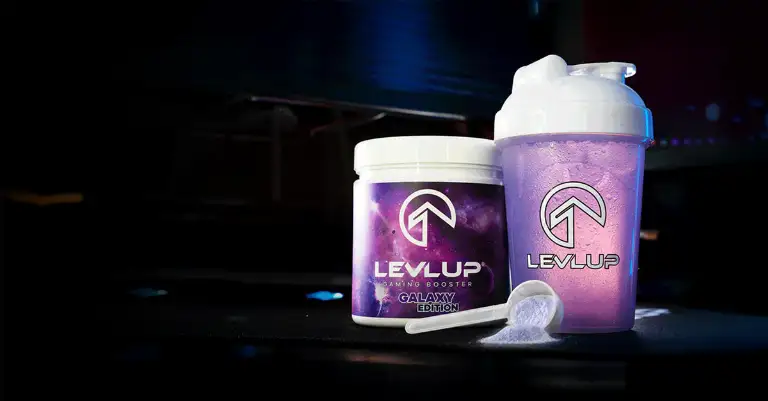
Caffeine is the most thoroughly researched ergogenic stimulant in the world. In gaming culture, it is everywhere: coffee, canned energy drinks, and specialized esports mixes like LevlUp.
Clinical studies indexed on PubMed/NIH demonstrate that a targeted dose of 3 mg per kilogram of body weight sharpens reaction speed, crosshair precision, and visual tracking performance in professional FPS competitors.
However, chronic daily abuse builds rapid pharmacological tolerance: regular consumption merely resets the nervous system to baseline rather than unlocking genuine peak performance. Documented adverse effects among heavy users are substantial: chronic insomnia (affecting 45% of regular caffeine users), gastrointestinal distress (45%), and involuntary muscle tremors (24%), according to research published in Taylor & Francis.
The pro protocol: enjoy coffee or caffeine in the morning, and institute a strict cutoff by 2:00 PM to safeguard deep restorative sleep.
Furthermore, emerging studies highlight the superior efficacy of combining caffeine with L-theanine (an amino acid found naturally in green tea), which promotes calm, laser-focused concentration without inducing the jittery spikes and crashes typical of energy drinks (Examine.com).
The Competitive Gamer's Macronutrient Matrix
The brain consumes roughly 20% of the body's total basal metabolic energy. For competitive players enduring 6 to 10 hours of daily scrims, balanced nutrition is non-negotiable. A seminal study (IONSport, published in the British Journal of Nutrition via NIH) analyzed elite esports athletes and identified significant positive correlations between high cognitive scores and adequate dietary intakes of magnesium, zinc, B-complex vitamins, omega-3 fatty acids, and leafy greens.
Alarmingly, the study revealed that a substantial majority of competitive gamers fail to meet basic recommended dietary allowances for these vital micronutrients.
- Complex Carbohydrates (brown rice, rolled oats, sweet potatoes): Provide steady, sustained glycogen release without insulin spikes or mid-match brain fog.
- Lean Proteins (eggs, free-range poultry, legumes): Essential for synthesizing crucial neurotransmitters like dopamine and acetylcholine.
- Omega-3 Fatty Acids (wild salmon, walnuts, chia seeds): Scientifically proven to support neuronal membrane fluidity, working memory, and synaptic plasticity.
- Vibrant Vegetables: Abundant sources of magnesium, zinc, and B-vitamins that form the chemical bedrock of cognitive stamina.
How Tier-1 Esports Franchises Optimize Player Health
Leading international esports organizations have made dedicated performance nutritionists an integral fixture of their coaching staffs:
- Team Vitality: Their flagship KARE program at the V.Hive headquarters in Paris integrates nutritional planning, mental conditioning, and biometric tracking into a holistic health system built on Olympic training standards (vitality.gg).
- Team Liquid: Their technical partnership with Thorne provides personalized blood biomarker screenings, medical-grade NSF-certified supplementation, and targeted nootropic support (teamliquid.com).
- Elite Multi-Gaming Orgs: Contract registered sports dietitians to curate tournament-specific travel meal plans, educate players on clean nutrition, and eliminate unregulated, low-quality supplements (gamerdiet.gg).
The Mediterranean Diet: The Esports Gold Standard
Performance dietitians in competitive gaming overwhelmingly endorse one dietary protocol: the Mediterranean Diet. Rich in omega-3 fatty acids, polyphenols, complex carbohydrates, and lean protein sources, it actively mitigates the systemic oxidative stress caused by prolonged screen exposure, stabilizes blood glucose levels, and reinforces brain micro-architecture (Frontiers in Nutrition, British Esports Federation).
Here is an optimal daily meal framework used by top competitors:
- Breakfast: Oatmeal topped with mixed antioxidant berries, whole eggs, and black coffee (capped at 200 mg caffeine).
- Lunch: Brown rice or quinoa, grilled chicken breast, mixed greens tossed in extra-virgin olive oil.
- Mid-Session Snack: Raw walnuts, a banana, or a low-glycemic unsweetened gaming beverage.
- Dinner: Baked salmon fillet, steamed broccoli, and roasted sweet potatoes.
- Continuous Hydration: 2 liters of water evenly paced across waking hours.
Sleep: The Forgotten Cognitive Nutrient
No dietary regimen can salvage a chronic sleep deficit. Neuroscience is unambiguous: 7 to 9 hours of uninterrupted sleep are mandatory for the consolidation of procedural memory, the neurological mechanism responsible for muscle memory, flick mechanics, and automatic situational reflexes.
Players who sacrifice sleep to grind ranked lobbies into the early morning hours actively degrade their long-term competitive ceiling.
Modern pro training schedules are structured like elite athletic regimens. To learn more about modern training methodologies, check out our guide to deliberate practice training for pro gamers and discover how HIIT cardio workouts boost cognitive throughput in high-pressure competition.

SEO consultant for over 20 years and digital entrepreneur, Charles 'Grimtag' Ronchain is the founder of Pro-Gamer.gg, Retrocharting.com, and Gamescharting.com. A competitive gamer, streamer, and retro game collector, he has worked in the video game industry for over 15 years, notably as a consultant for leading game price comparison platforms. Passionate about real-time performance data and gaming technology, he analyzes competitive esports, gaming hardware benchmarks, and creator workflows on Pro-Gamer.gg with an authentic player perspective.