G2 Esports, Perkz, and the Coaching Earthquake: How Esports Coaching Hyper-Professionalized in 2026
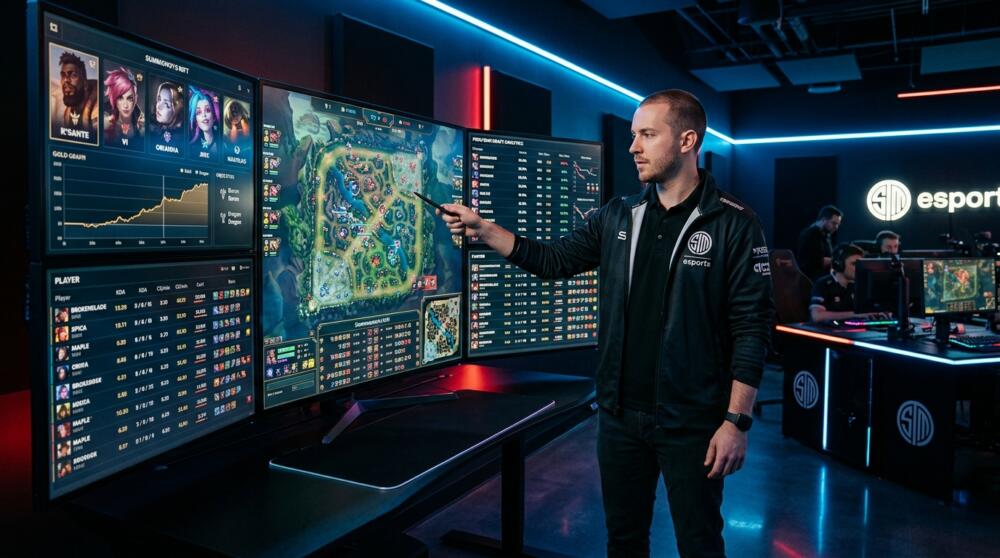
When G2 Esports officially announced the benching of Dylan Falco and the appointment of Luka "Perkz" Perkovic as Head Coach right before the 2026 LEC Summer Playoffs, the competitive League of Legends community stood still. Seeing an international legend step behind the players to helm the coaching staff of a European powerhouse is far more than a PR stunt. It is the clearest symptom of a seismic shift sweeping competitive gaming: in just a few years, the esports coach has evolved from an "enthusiastic big brother" into a hyper-specialized performance architect.
So how do you actually become an esports coach today? What formal training pathways exist, how much do academic degrees matter, and what does the daily grind look like inside an elite coaching staff? Here is our comprehensive breakdown of a profession undergoing radical reinvention.
The G2 Esports Case: Why the Head Coach Role Has Become Critical
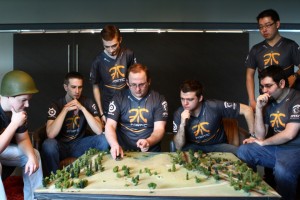
For years, Dylan Falco embodied the template of the methodical, data-driven coach. Arriving from the North American circuit with a background as a StarCraft II data analyst, he steered Fnatic to the 2018 World Championship finals before establishing G2 Esports' strategic reign across Europe. His core strength lay in numerical analysis, structured practice routines, and meticulous pick-and-ban draft preparation.
Yet the decision to elevate Perkz behind the bench addresses an entirely different competitive demand. In modern League of Legends, locker room leadership and innate authority carry just as much weight as chalkboard diagrams. An elite former in-game shotcaller delivers two irreplaceable assets: an instinctual understanding of stage pressure during high-stakes best-of-fives, and instant, undisputed credibility among the team's star players.
This transition is hardly an anomaly. It directly mirrors trends in traditional soccer, where legendary former pitch captains take the reins of top clubs to establish an immediate winning culture.
The 3 Major Coaching Archetypes in Modern Esports
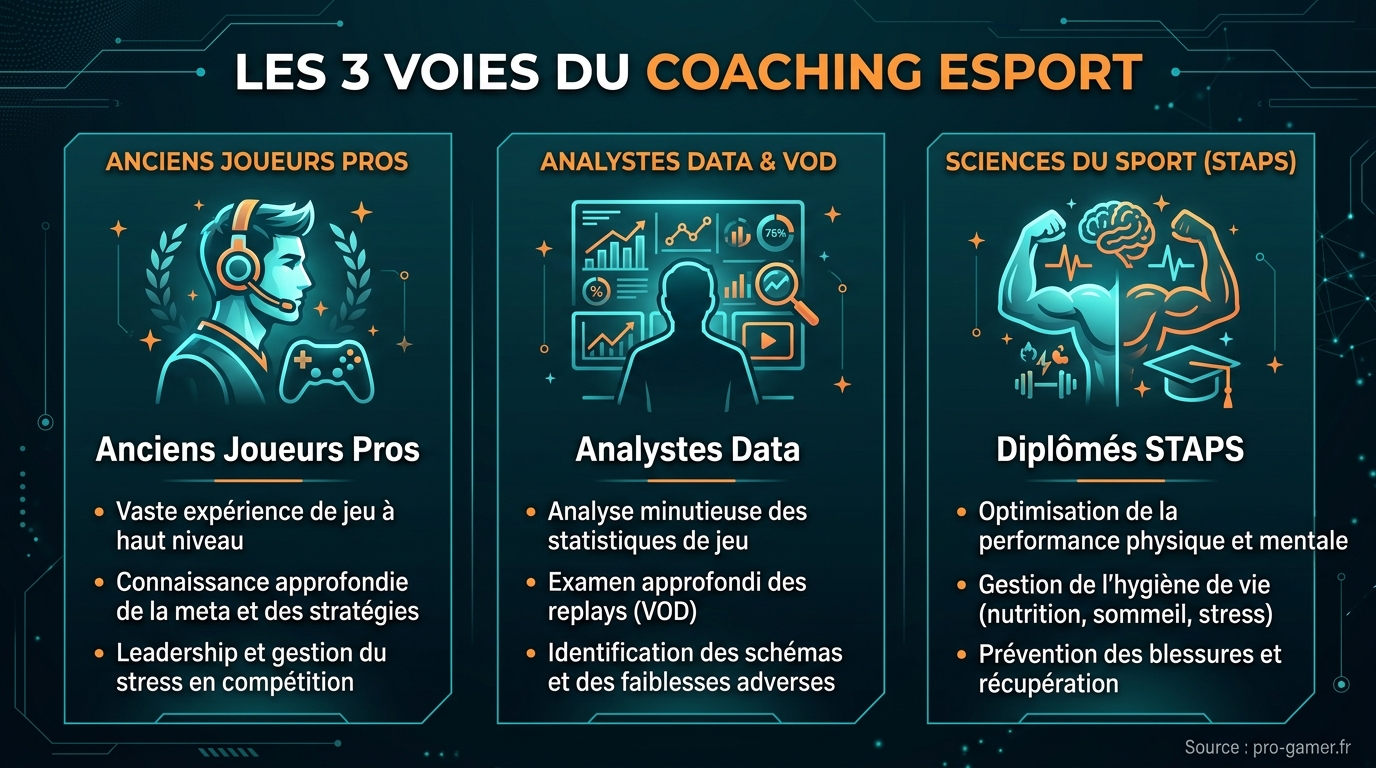
Looking across the coaching staffs of teams competing in the LEC, LFL, and VCT, three distinct professional trajectories stand out clearly:
1. The Former Pro Player Transition
This is the path forged by iconic figures like Perkz, YamatoCannon, and Bjergsen. Having spent years competing at the highest tier, these veterans possess an effortless fluency in the game's micro-language and understand high-pressure LAN team dynamics inside out. Their move into coaching happens organically, driven by a desire to share their battle-tested competitive wisdom without enduring the physical and nervous toll of mechanical grind.
2. The Analytical and Data Track
Some of the greatest strategic minds in esports never played competitively. Emerging from the VOD review community, tactical content creation, or analytical disciplines like chess and competitive poker, they earned respect through rigorous quantitative breakdowns. Their primary mission involves decoding new patch metas, mapping opponent tendencies, and optimizing draft execution under rulesets like Fearless Draft.
3. Sports Science and Management Graduates
As esports organizations mature into corporate sports franchises, a new wave of classically trained professionals is taking charge. Holding university degrees in kinesiology, sports science, or sports management, these specialists bring structured methodology, physical conditioning protocols, and mental performance training. Inside a modern coaching staff, they collaborate shoulder-to-shoulder with the tactical Head Coach.
Degrees, Certifications, and Industry Realities: What Does the Law Say?
One of the most frequent questions from aspiring coaches is whether a formal degree is mandatory to break into the industry:
No Mandatory State License Required
Unlike traditional physical sports in many countries that mandate government coaching credentials to teach professionally, there is no mandatory state license or degree required to work as an esports coach. The hiring market operates on merit and performance, meaning esports organizations evaluate candidates on their competitive track record, pedagogical communication, and strategic vision rather than a formal title.
Recommended Training Pathways
That said, modern professional standards require rigorous skillsets. Several educational avenues are widely respected across the scene:
- Sports Science and Kinesiology Programs: Ideal for mastering biomechanics, nutrition, stress management, and athletic periodization. Specializing in sports training provides scientific foundations directly applicable to competitive gaming endurance.
- Specialized University Degrees and Certificates: Leading universities now offer targeted postgraduate programs (such as Esports Performance Management certificates) designed to train the next generation of competitive directors.
- Esports Academies and Accredited Certifications: Dedicated training programs (like Gaming Campus, XP School, and PHG Academy) offer an end-to-end overview of the gaming ecosystem, team management, and athlete communications. To explore the full spectrum of academic programs, take a look at our guide to esports colleges and training programs.
The Daily Grind Inside an Elite Coaching Staff
Far from the stereotype of someone casually sitting behind a monitor, the daily routine of a tier-one esports coach is relentless and disciplined:
- Match Review and VOD Analysis: Morning breakdowns of previous scrims alongside scouting tape from upcoming tournament opponents.
- Draft Strategy and Theorycrafting: Designing tactical compositions tailored to current patch dynamics and player champion pools.
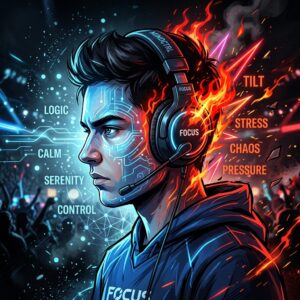
- One-on-One Player Check-Ins: Private sessions to build confidence, monitor mental fatigue, and diffuse tilt. At this level, using AI-driven tools for automatic VOD analysis drastically accelerates data processing, flagging recurring positioning errors in minutes.
- Post-Scrim Debriefs: Immediate tactical debriefings following practice blocks against rival international rosters.
What Lies Ahead for Esports Coaching?
The appointment of legendary champions like Perkz at the helm of flagship franchises confirms that the coaching profession has reached mainstream maturity. The days when a roster could rely on a single lone coach are gone: tier-one organizations now operate multidisciplinary staffs uniting in-game expertise, deep statistical modeling, and athletic sports science.
For anyone striving to build a career in this space, versatility is your greatest competitive weapon. Whether your journey starts on the pro stage, in deep analytical VOD reviews, or through university lecture halls, the ability to communicate with absolute clarity, manage strong personalities, and anchor team cohesion under blistering pressure is what separates good coaches from world champions.
Do you believe former pro players make more effective Head Coaches than academic data analysts? Join the conversation and share your take in the comments below!

SEO consultant for over 20 years and digital entrepreneur, Charles 'Grimtag' Ronchain is the founder of Pro-Gamer.gg, Retrocharting.com, and Gamescharting.com. A competitive gamer, streamer, and retro game collector, he has worked in the video game industry for over 15 years, notably as a consultant for leading game price comparison platforms. Passionate about real-time performance data and gaming technology, he analyzes competitive esports, gaming hardware benchmarks, and creator workflows on Pro-Gamer.gg with an authentic player perspective.