Esports Viewership: Are Audience Numbers Artificially Inflated?
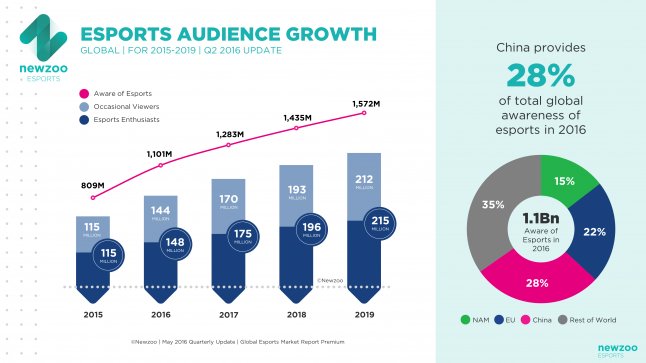
Over the past several years, a speculative bubble has formed around esports, marketed across mainstream media as the crown jewel of modern entertainment.
From Bundesliga soccer club Schalke 04 acquiring League of Legends teams to ESPN launching dedicated esports verticals and major TV networks broadcasting gaming showcases, the momentum seems undeniable.
Investors are pouring venture capital into an industry projected to experience exponential growth, placing massive expectations on every professional player. But do the hard figures justify this starry-eyed narrative? Can we actually trust the massive viewership figures paraded by media outlets, and can we reliably quantify how many active pro gamers actually exist?
Flawed Comparisons and Inflated Metrics
The figures circulated across the esports ecosystem are nothing short of bombastic:
- 800,000 competitive players in regional markets according to market research firm Newzoo.
- 27 million total viewers reported for the League of Legends World Championship Finals, the most-played PC game globally, according to industry presentations at Paris Games Week.
That claimed total nearly doubles the NBA Finals average (15 million), while research firms projected 1.5 billion global esports spectators by the end of the decade.
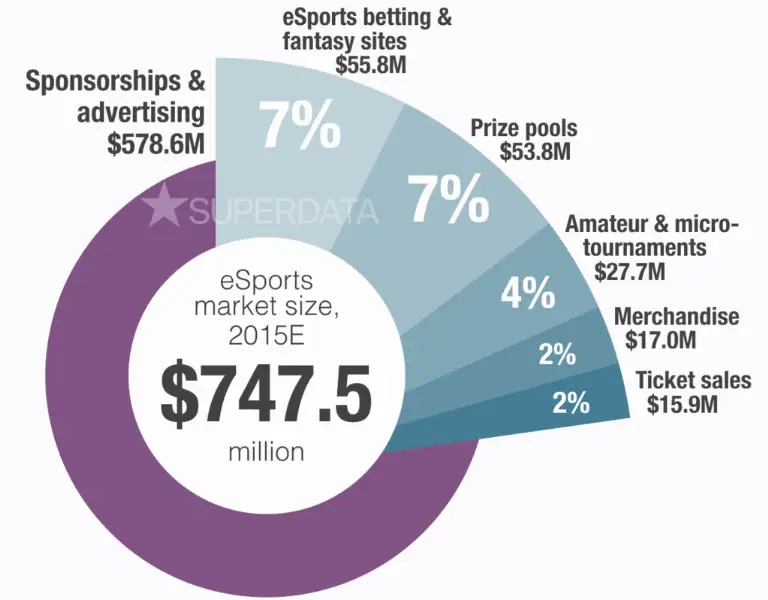
Headlines like these are designed to make jaws drop, a marketing tactic that has become common practice in the hype-driven competitive gaming space.
For example, mainstream news outlets previously claimed that the League of Legends World Finals drew a bigger audience than a major Euro soccer match between France and Ukraine.
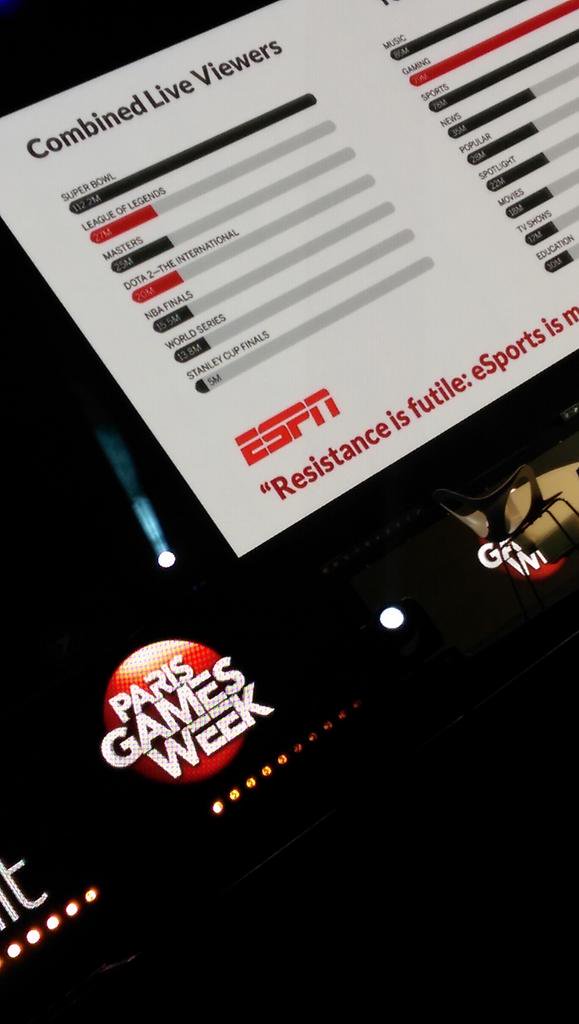 Yet there is a fundamental methodological flaw in this comparison: it pits average concurrent viewership against cumulative gross impressions.
For the Worlds broadcast, reports tally cumulative views rather than unique concurrent spectators. Furthermore, esports figures often lump together every minute of a multi-week championship tournament and compare that cumulative tally to the average TV rating of a single 90-minute soccer match or a single NBA game.
Comparing cumulative web impressions to average linear television households is comparing apples to spaceships. The methodology is statistically invalid.
The Real Numbers: Far Behind Legacy Television
When you analyze the granular data, esports viewership trails traditional sports by significant margins: the 2014 League of Legends World Finals VOD accumulated 3 million total views on YouTube over a two-year lifespan, while Game 7 between the Golden State Warriors and Oklahoma City Thunder, the most-watched NBA playoff game on US cable, drew 19.8 million concurrent live television viewers, entirely excluding digital clips and streaming reruns.

According to Nicolas Cerrato, founder of streaming analytics platform Gamoloco, comparing digital gaming streams to broadcast sporting juggernauts is fundamentally misleading.
Twitch set historic milestones with peak platform-wide concurrent audiences of 2.1 million viewers, whereas the annual Super Bowl consistently pulls upwards of 100 to 120+ million live viewers in the US alone. Similarly, a World Cup quarterfinal routinely commands 35 million viewers in a single European country: over 15 times the concurrent audience of all Twitch channels combined at their all-time peak.

Similarly, event organizers claimed over 1 million unique viewers tuned into major Call of Duty ESWC events, yet actual peak concurrent viewership on the final match never surpassed 71,000 spectators, far beneath the headline-grabbing cumulative estimates.
The Measurement Problem: Lack of Standardized Metrics
What should we make of claims that hundreds of thousands of people are active competitive gamers?
Without centralized sanctioning federations, census data on competitive gamers is notoriously difficult to verify. Research firms often fail to distinguish between an occasional casual player and a dedicated tournament competitor.
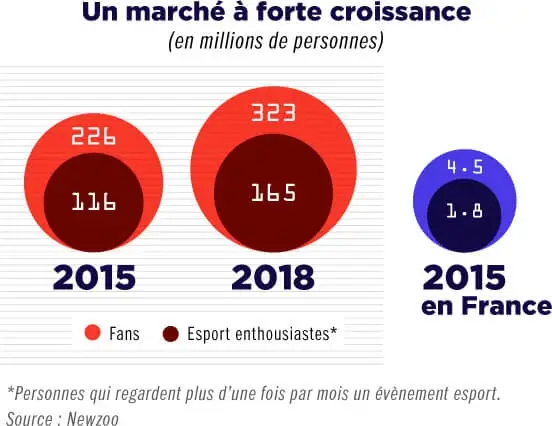
Market analytics firms frequently employ overly broad definitions, categorizing anyone who has launched a competitive PC or console game in the past six months as an esports participant. That definition is far too broad to identify true competitive players or viable pro-gaming careers.
An Expanding Sector That Does Not Need Exaggeration
Without question, esports remains a fast-growing, highly dynamic cultural phenomenon. Major arena events draw passionate sell-out crowds, and live streaming platforms continue to build loyal global communities. But investors and brands must look past inflated vanity metrics.
The competitive gaming ecosystem is undeniably robust, but it must be evaluated on transparent, verified data rather than viewed through a magnifying glass of speculative hype.

SEO consultant for over 20 years and digital entrepreneur, Charles 'Grimtag' Ronchain is the founder of Pro-Gamer.gg, Retrocharting.com, and Gamescharting.com. A competitive gamer, streamer, and retro game collector, he has worked in the video game industry for over 15 years, notably as a consultant for leading game price comparison platforms. Passionate about real-time performance data and gaming technology, he analyzes competitive esports, gaming hardware benchmarks, and creator workflows on Pro-Gamer.gg with an authentic player perspective.