Shader Compilation Cut by 95% in Gears of War: E-Day: How Qualcomm Snapdragon X2 and DirectX 12 Eliminate PC Launch Waits

Qualcomm and Microsoft have officially enabled DirectX 12 Advanced Shader Delivery on Snapdragon X2 Series processors powered by integrated Adreno X2 graphics. Debuting across the expanded Windows 11 hardware ecosystem with Gears of War: E-Day, this cloud-based precompiled shader pipeline slashes first-launch compilation times by approximately 95%.
Seconds Instead of Minutes: What Advanced Shader Delivery Changes in Gears of War: E-Day
Long shader compilation screens have become one of modern PC gaming's most persistent bottlenecks. Whenever a player boots a heavy DirectX 12 release for the first time or installs a fresh graphics driver, the local CPU is normally forced to compile thousands of shaders and Pipeline State Objects (PSOs) from scratch, locking up the system for several minutes.
As detailed in the technical announcement from the Microsoft DirectX team, Advanced Shader Delivery (ASD) shifts that heavy compilation workload to the cloud. When downloading a supported title through the Xbox PC app, the storefront automatically delivers a precompiled shader package matched specifically to the user's GPU architecture and installed driver version alongside the game files.
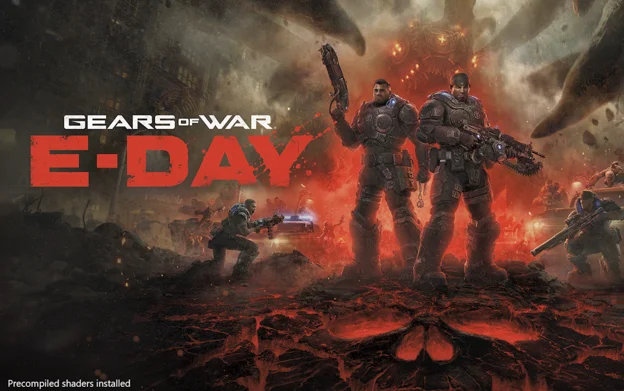
Developed in close collaboration with The Coalition, Gears of War: E-Day serves as the flagship showcase for this cross-vendor rollout on Windows 11. On supported systems, initial shader compilation time drops by roughly 95%, turning a multi-minute startup wait into a few seconds.
Players can verify that the feature is working right from the startup splash window. A "Precompiled shaders installed" notification appears in the bottom-left corner, confirming that the engine has bypassed heavy local CPU compilation while preventing runtime shader stutter during firefights.
Snapdragon X2, Adreno X2, and Full Ecosystem Support Across AMD, Intel, and NVIDIA
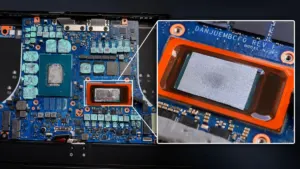
Following an initial public preview across AMD RDNA architectures earlier this year, October marks Qualcomm's official entry into the DirectX 12 ASD ecosystem. According to Qualcomm's developer blog, Windows 11 (version 24H2 or later) laptops powered by Snapdragon X2 Series processors and Adreno X2 graphics gain full support starting with Adreno driver version 2026.08.3.
Game studios can also integrate the new Qualcomm Adreno DirectX 12 Compiler Plugin to convert State Object Databases (SODB) directly into Adreno-ready Precompiled Shader Databases (PSDB). This milestone further highlights the rapid maturity of the ARM architecture of the Snapdragon X2 Elite and its integrated Adreno GPU, though first-generation Snapdragon X Elite and Plus chips are not included in this initial rollout.
Alongside Qualcomm's ARM processors, Microsoft is extending Advanced Shader Delivery across all major desktop and mobile GPU vendors on Windows 11. We saw the desktop side of this rollout in action yesterday with the rollout of the NVIDIA GeForce 621.01 WHQL driver with precompiled shader support, which also enables the feature for Call of Duty: Modern Warfare 4.
Here is the complete breakdown of hardware architectures and minimum driver versions required to take advantage of cloud-delivered precompiled shaders:
- Qualcomm: Snapdragon X2 Series processors (Adreno X2 graphics) running driver version 2026.08.3 or newer on Windows 11 24H2.
- AMD: Radeon GPUs and APUs built on RDNA 1, RDNA 2, RDNA 3, RDNA 3.5, and RDNA 4 architectures (Radeon RX 5000 series and newer) running Adrenalin 26.6.1 or higher.
- NVIDIA: All GeForce RTX GPUs (from the RTX 20 series through RTX 50 series) as well as RTX Spark systems via the GeForce 621.01 WHQL driver branch.
- Intel: Discrete Intel Arc B-Series GPUs (Arc B570 and B580 Battlemage) and integrated graphics on Core Ultra Series 2 (Lunar Lake) and Core Ultra Series 3 (Panther Lake) processors.
Check Snapdragon X Laptops & GeForce RTX GPUs Availability on Amazon→
My Test Bench: Why Cloud Precompilation Is a Massive Win for Laptops
On a liquid-cooled desktop rig, sitting through a five-minute shader compilation bar at 100% CPU load is an annoying waste of time. On a thin-and-light ARM laptop powered by a Snapdragon X2 or a Windows handheld, however, that same process is a thermal and battery nightmare that spins fans to maximum RPM and drains precious watt-hours before you even fire a single Lancer burst.
By cutting 95% of that local compilation workload and replacing it with a lightweight, driver-matched download, Microsoft and Qualcomm are removing one of the most punishing friction points for portable Windows 11 gaming. The next crucial step will be expanding these precompiled shader databases beyond the Xbox PC app to storefronts like Steam so instant, stutter-free launches become the standard across every PC launcher.

PC hardware enthusiast and competitive gamer, Arthur 'Heimdall' splits his time between France and the UK working in enterprise B2B software solutions. A business school graduate passionate about component benchmarking, he has been building, modding, and tuning PCs since childhood, optimizing every thermal degree and millisecond of display latency. An avid gamer across Assassin's Creed and sandbox titles, he forged his alliance with Grimtag and Chaya during late-night World of Warcraft raids before joining Pro-Gamer.