$2,000 a Month and Two Years of Work: Why Anthropic's Claude Suddenly Refused to Touch Fan Game Pokémon Arena 2D
Spending up to $2,000 a month over two years on an AI coding assistant only to watch it suddenly refuse to open your local project files is the exact wall the creator of fan game Pokémon Arena 2D just hit. Following Anthropic's latest intellectual property guardrails across Claude Code and Opus 5.5, both non-profit Pokémon fan projects and licensed commercial studios are seeing their workflows abruptly locked down.
Two Years of Work and $2,000 a Month Halted Over Local Pokémon Arena 2D Sprites
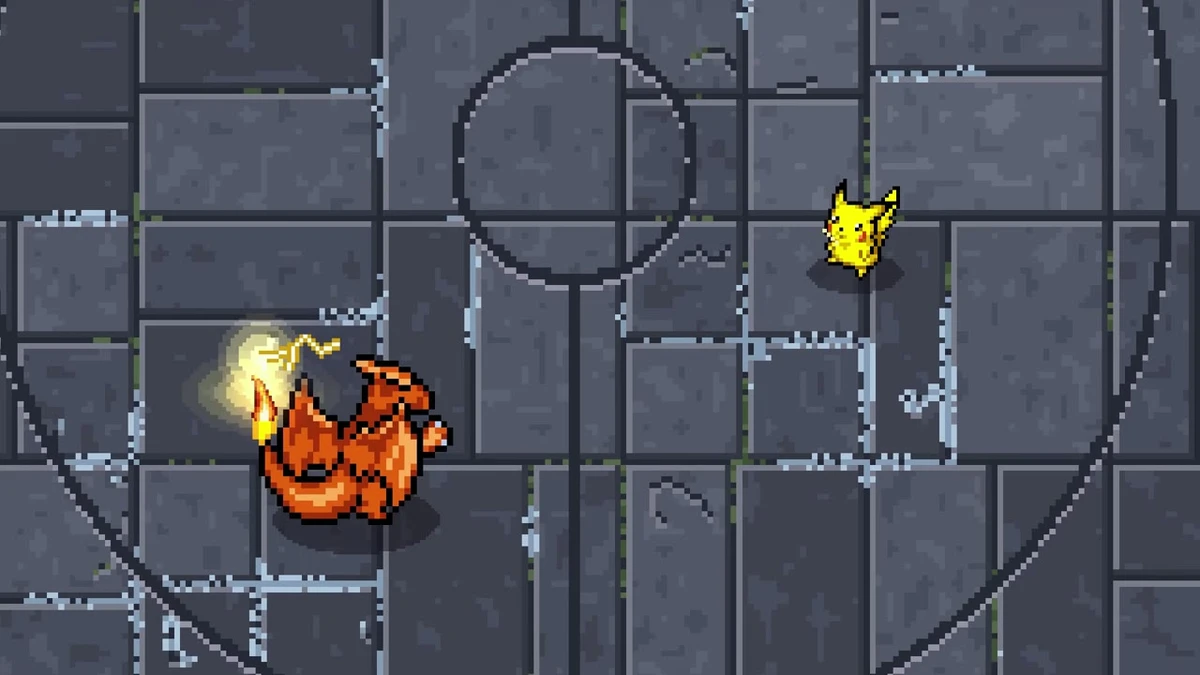
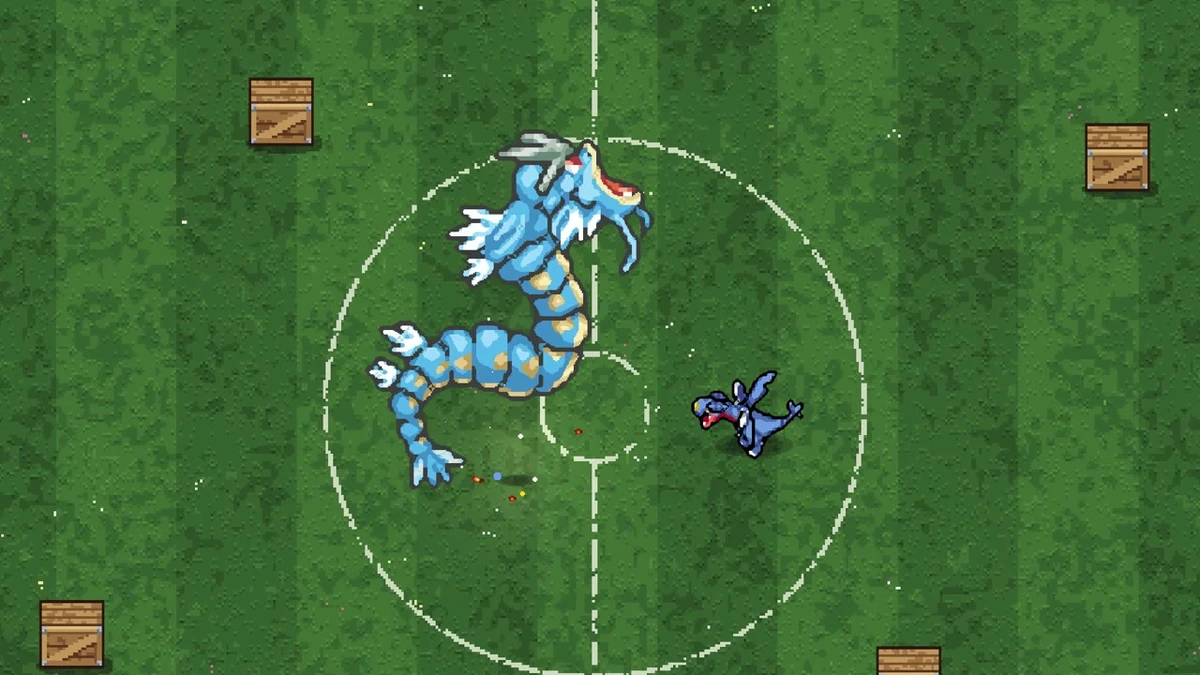
Developed over the past two years by independent creator @BigKidNation, Pokémon Arena 2D is a fast-paced, real-time pixel-art arena fighter. Scheduled to launch as a free browser-accessible public beta in December 2026, the non-profit project pits classic Kanto creatures against each other with custom hitboxes, aerial dodges, and real-time special attacks.
To build the game solo, the developer reported working 10 to 14 hours a day while spending up to $2,000 per month on Anthropic AI subscriptions and API tokens. On November 11, 2026, that pipeline came to a sudden halt: Claude abruptly refused to continue assisting with the project, declining to load, parse, or organize Pokémon sprites, character names, logos, and designs stored locally on the developer's computer.
In its refusal messages, the model stated that building a game around recognizable copyrighted assets violated its safety guidelines and advised the creator to replace the roster with original fighters instead. Frustrated after investing thousands of dollars into a free tribute project, @BigKidNation publicly called on Nintendo and The Pokémon Company on X to officially develop the style of real-time 2D arena brawler that fans have been requesting for years.
From Opus 5.5 Anti-Clone Rules to Widespread Blocks on r/PokemonROMhacks
This sudden roadblock stems directly from a silent policy enforcement rolled out late last month. As we covered when Anthropic quietly ordered Claude Code to stop remaking video games through the server-side directive tengu_heron_brook, a background rule refreshed every 60 seconds now forbids the assistant from recreating any specific existing game, even if renamed.
When developers first raised concerns in late October, Addy Osmani confirmed on X that two sentences had been added to the Opus 5.5 system prompt to prevent intellectual property infringement, while assuring users that projects built from their own designs and assets would continue working normally. In practice, however, the filter is catching far more than commercial knockoffs.
Across the r/PokemonROMhacks community, a thread with over 1,800 upvotes has gathered dozens of identical reports from modders and fan-game creators. Whenever the model detects recognizable creature names, base stat tables, or familiar sprites inside a local repository, it halts execution. Developers also noted that enforcement remains inconsistent, occasionally blocking simple event scripts while still permitting certain low-level decompilation tasks.
Conflict Simulations LLC: Legitimate Commercial Studios Caught in the Crossfire
Even more concerning for commercial developers, the automated filter is now disrupting legally licensed businesses. On r/Anthropic, Ray Weiss (u/lerugray), founder of tabletop wargame publisher Conflict Simulations LLC and a member of the official Claude for Startups program, revealed that the new games directive shut down his company's workflow overnight.
His company is commissioned to build custom digital modules for tabletop strategy games that individual clients legally own for personal use. Despite holding legitimate client authorization, Claude Code now refuses to compile those digital modules whenever it spots an existing board game title in the codebase. After reaching out to Anthropic support, Weiss was told that no exceptions or whitelists could be granted under the policy, forcing Conflict Simulations LLC to abandon the platform and migrate its development pipelines to Kimi and Codex.
My Perspective
Following both the Pokémon modding scene and AI-assisted development, I see this clampdown as a textbook warning on platform dependency. Anyone building a fan project with Nintendo and The Pokémon Company sprites already knows they are operating in a legal gray zone. Yet paying up to $2,000 a month for a coding assistant that suddenly polices the filenames sitting on your own local hard drive changes the equation entirely.
Just as Charles "Grimtag" highlighted earlier today in our coverage of the GDC survey showing 40% of game developers now use generative AI despite widespread industry skepticism, what happened to Conflict Simulations LLC proves that the biggest hazard for indie teams isn't just creative ethics. Building your entire production pipeline around a cloud-hosted model means a single server-side system prompt update can lock your compiler overnight with zero appeal.

Based on the outskirts of New York City, Chaya 'Chayane' spent five years studying software engineering in Montreal before returning to her home state. A Full-Stack developer and Deep Learning AI architecture researcher, she explores neural networks and algorithmic optimization while engineering data pipelines for Retrocharting and Gamescharting alongside Grimtag. A gamer for over 20 years and an avid collector of Nintendo history and The Legend of Zelda, she explored World of Warcraft's Azeroth before bringing her deep technical background to video game analysis.