Super Mario Odyssey, Zelda Skyward Sword HD, and Mario Kart Double Dash: Nintendo Wipes Out 4 Native PC Ports in New GitHub DMCA Wave
The autumn legal offensive led by Nintendo of America and Nintendo Co., Ltd. has crossed a decisive threshold. Just hours after triggering the simultaneous removal of 144 GitHub repositories hosting Picofly and RP2040 modchip firmware alongside several Switch emulator forks, Kyoto's legal team opened a second, far more symbolic front: community-built native PC ports powered by static C++ recompilation.
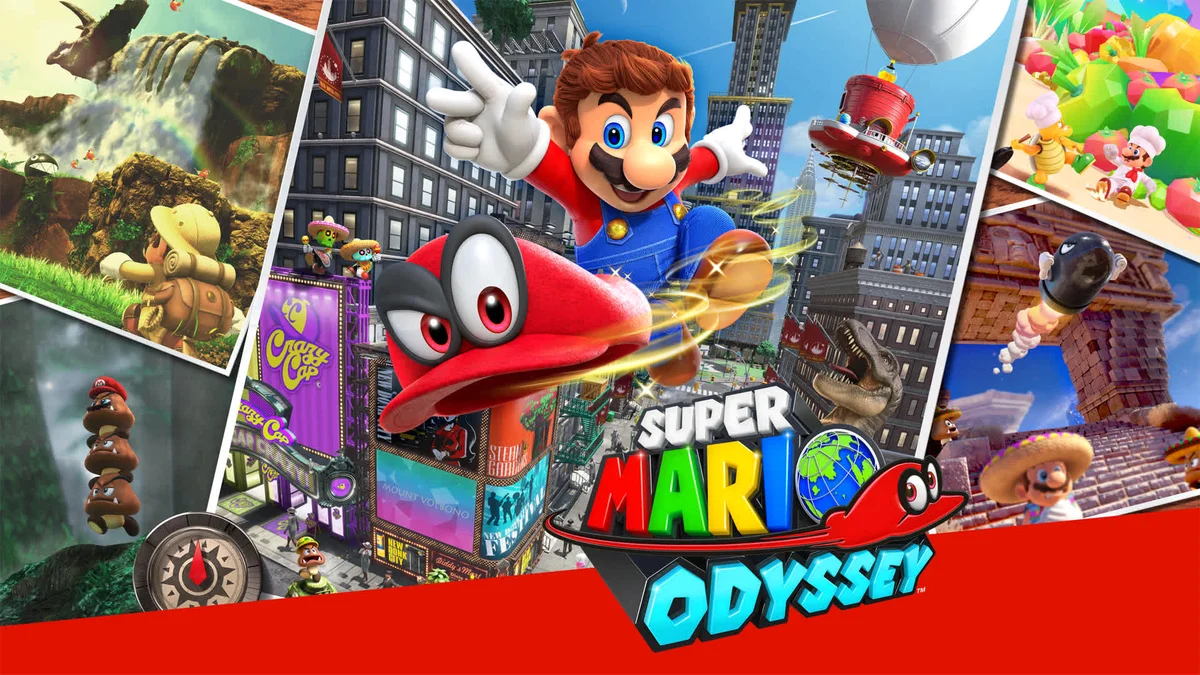
Four high-profile open-source initiatives have been taken down in a sweeping wave of Digital Millennium Copyright Act (DMCA) enforcement notices: PowerMoon (Super Mario Odyssey), SkyRecomp (The Legend of Zelda: Skyward Sword HD), Project Tandem (Mario Kart: Double Dash!!), and MTF-Recomp (Mario Tennis).
Four Native C++ PC Ports Wiped from GitHub and GitLab
Unlike traditional console emulators that interpret or dynamically translate console instructions in real time while a game is running, all four targeted projects relied on Ahead-Of-Time (AOT) static recompilation. This technique lifts original GameCube or Nintendo Switch binaries and translates them into native C and C++ source code compiled directly for x86-64 PC hardware on Windows and Linux, while requiring users to supply their own legally dumped copy of the game to extract textures, audio, and 3D assets.
| Targeted Project | Original Title | Source Platform | Translated Architecture & Native PC Enhancements |
|---|---|---|---|
| PowerMoon (Power Moon Recomp) | Super Mario Odyssey (2017) | Nintendo Switch | ARM64 to native C/C++ (Windows/Linux), uncapped framerates, 21:9 ultrawide support, high-resolution rendering, and RomFS mod loader |
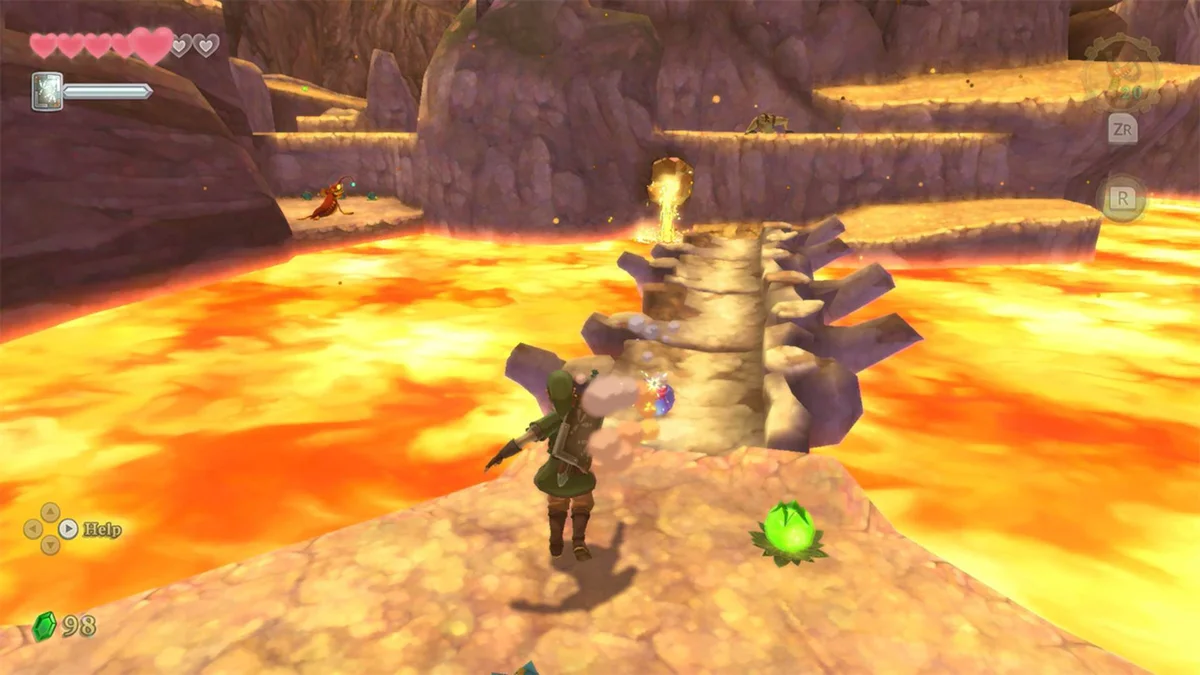
| SkyRecomp | The Legend of Zelda: Skyward Sword HD (2021) | Nintendo Switch | ARM64 to native C/x86-64 (Windows, Linux, macOS), 4K at 60+ FPS, directional sword-slash mouse mapping, and custom HD texture packs |
Project Tandem (badcompany94-rcmp) | Mario Kart: Double Dash!! (2003) | Nintendo GameCube | PowerPC to C with native Vulkan/OpenGL runtime, native 16:9 widescreen, high frame rates, online multiplayer, and experimental Android ARM64 build |
MTF-Recomp (kayochiaradia) | Mario Tennis (Mario Tennis Fever) | Nintendo Console | Binary translation to native Windows x86-64, native 4K resolution, 60 FPS lock, NVIDIA DLSS/DLAA, AMD FSR, and HDR10 output |
Specifically, PowerMoon's original GitLab repository and its lead developer's GitHub account were taken offline following Nintendo's legal action, with the maintainers stating they lacked the financial resources to contest Nintendo's copyright claims in court. The primary GitHub repositories for SkyRecomp, Project Tandem, and MTF-Recomp were similarly removed.
Switch Encryption Circumvention and Derivative Code: Inside Nintendo's Legal Stance
Why does this takedown wave represent such a major turning point for the game preservation and decompilation scene? Until now, clean-room decompilation and static recompilation projects that distributed zero proprietary assets on their public repositories appeared to operate in a safer legal lane, exemplified by the native PC recompilation of Zelda: Ocarina of Time alongside Ship of Harkinian for the Nintendo 64.
However, as documented across the notices logged in the official GitHub DMCA Takedowns repository under Section 1201 of the Digital Millennium Copyright Act, requiring users to bring their own legally dumped ROMs is no longer enough to deter Nintendo's legal counsel. Kyoto's enforcement strategy against modern recompilation ports rests on two core legal arguments:
- Circumvention of Technological Protection Measures (TPMs) on Switch: To feed a static recompilation tool like PowerMoon or SkyRecomp, a user must first decrypt the Switch game executable using console cryptographic keys (
prod.keysandtitle.keys). Nintendo contends that any tooling engineered to ingest or process those decrypted Switch binaries facilitates the unlawful circumvention of its hardware and software encryption locks. - Unauthorized Derivative Works From Automated Binary Translation: Even when a project targets an older platform like the GameCube with Project Tandem, automated or AI-assisted translation of proprietary PowerPC or ARM64 machine code into C/C++ differs fundamentally from years-long manual clean-room reverse engineering. Nintendo's legal team treats directly lifted and transpiled C++ code as an unauthorized derivative work of its copyrighted executable code, regardless of whether textures or audio files are excluded from the repository.

True to open-source dynamics, the removal of the four primary repositories immediately sparked a Hydra effect: community forks and backup mirrors of PowerMoon and SkyRecomp have already begun resurfacing across alternative code hosts and decentralized networks. By striking modchip firmware (Picofly), emulator forks, and now native C++ recompilation ports within the same week, Nintendo is systematically tightening control over its entire software catalog ahead of the Switch 2's holiday season.
My Field Notes
This is arguably the clearest warning shot Kyoto has fired at independent developers since the Yuzu shutdown. When Chayane, Grimtag, and I were recently discussing the rapid rise of static recompilation PC ports, all three of us pointed out that the clean-room legal shield only held up while projects stayed on unencrypted Nintendo 64 cartridges and relied on painstaking manual reverse engineering. By targeting Super Mario Odyssey and Skyward Sword HD, two flagship Switch titles still sold at full price and playable on Switch 2, PowerMoon and SkyRecomp crossed Nintendo's commercial red line. Once a C++ transpiler touches encrypted modern console binaries or relies on automated binary lifting rather than line-by-line clean-room documentation, asking players to supply their own ROM no longer protects a repository on GitHub.

Originally from Lyon, France, gaming journalist Bastien "Orion" relocated nearly a decade ago to Quebec City's Saint-Roch district, right in the heart of eastern Canada's development studio hub. Before crossing the Atlantic, he honed his versatile reporting style across classic French gaming web portals and specialist television outlets in the 2000s and 2010s, notably with JeuxVideo.fr and JeuxNews. Equally passionate about AAA blockbusters, North American studio culture, retro preservation, and community modding projects, he anchors Pro-Gamer's transatlantic desk and real-time coverage of US and Japanese industry announcements.