AMD Zen 5 TSA_FILL Mitigation and +14% Radeon RX 7600S Clock Speed: Inside the Linux 7.4-rc3 Kernel Update
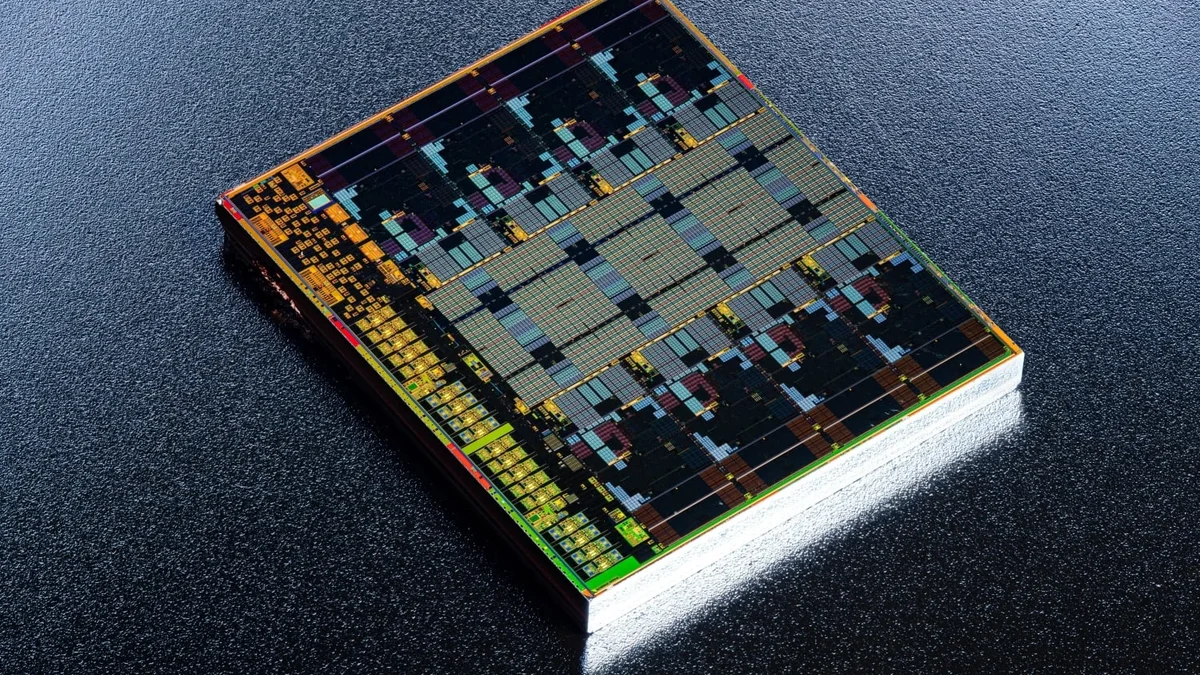
Released on Sunday, November 15, 2026, by Linus Torvalds under the internal codename "Baby Opossum Posse," the third release candidate of the Linux 7.4-rc3 kernel carries far more weight for PC hardware enthusiasts than its routine mailing list summary suggests. Beneath the 876 commits dominated by networking and graphics driver maintenance, this build lands two critical hardware patches for the AMD ecosystem: a mitigation for a newly surfaced speculative execution variant on Zen 5 processors, and long-overdue power-saving clock gating flags that unlock a substantial performance jump on RDNA 3 (Navi 33) GPUs.
TSA_FILL: A Third Transient Scheduler Attack Variant Hits AMD Zen 5
Until now, TSA (Transient Scheduler Attacks) were primarily associated with AMD Zen 4 processors (Family 19h). These speculative side-channel vulnerabilities exploit false completion signals inside the CPU scheduler to leak sensitive data across timing side channels via two known hardware structures: the Store Queue (TSA-SQ) and the L1 Data Cache (TSA-L1).
An urgent x86 patch merged into Linux 7.4-rc3 by AMD kernel engineer Borislav Petkov expands the scope of the vulnerability. The commit confirms that AMD Zen 5 (Family 1Ah, powering desktop Ryzen 9000 "Granite Ridge" processors as well as mobile Ryzen AI 300 "Strix Point" and "Strix Halo" APUs) is not only affected by TSA, but also introduces a third hardware variant dubbed TSA-FILL, which targets the core's internal Fill Buffers.
To lock down the flaw, Linux 7.4-rc3 adds Family 0x1a to the kernel's CPU vulnerability blacklist alongside SRSO and VMSCAPE (VULNBL_AMD(0x1a, SRSO | TSA | VMSCAPE)), introduces the X86_FEATURE_TSA_FILL_NO capability flag (CPUID leaf 0x80000021, ECX bit 7), and exposes the corresponding passthrough definitions for KVM virtual machines. Unlike Zen 4, which required the kernel to cross-reference a hardcoded table of microcode revisions, Zen 5 detection is streamlined: updated AMD microcode directly asserts the VERW_CLEAR CPUID bit, allowing the kernel to use the VERW instruction to flush internal CPU buffers on every kernel-to-userspace exit or VM guest transition. It is a timely security hardening for users building Linux systems on modern x86-64-v4 gaming distributions like CachyOS, Bazzite, or SteamOS.
RDNA 3 (Navi 33): How Missing Clock Gating Cost Linux Laptops 284 MHz
The second standout fix in Linux 7.4-rc3 arrives via the drm/amdgpu pull request maintained by Alex Deucher. Developer Andrei Krautsou discovered that the GC 11.0.2 (Navi 33) graphics block, which powers the Radeon RX 7600, RX 7600 XT, RX 7600M XT, and RX 7600S / RX 7700S, never received the dynamic power-saving clock gating flags in soc21.c that were enabled years ago on sister RDNA 3 chips (GC 11.0.0, 11.0.1, and 11.0.4).
Because the driver never set AMD_CG_SUPPORT_GFX_MGCG (Medium Grain Clock Gating), AMD_CG_SUPPORT_GFX_FGCG (Fine Grain Clock Gating), and AMD_CG_SUPPORT_GFX_PERF_CLK, the hardware override bits in RLC_CGTT_MGCG_OVERRIDE remained active under load. On power-constrained gaming laptops running a Radeon RX 7600S, where the GPU is strictly governed by a 68 A GFX TDC (Thermal Design Current) limit, leaving clock gating disabled meant every single megahertz drew more electrical current than it did on Windows 11. As a result, the GPU power management firmware (PMFW) hit the 68 A ceiling prematurely and throttled clock speeds significantly lower on Linux.
| Driver Configuration (Radeon RX 7600S - 68 A TDC Limit) | Median GPU Clock (gfxclk) | Voltage (VDDGFX) | FP32 Compute (vkpeak 300s) |
|---|---|---|---|
| Unpatched Linux Kernel (Default Flags) | 2,030 MHz | 800 mV | 8,915 GFLOPS |
| Linux + MGCG Enabled Only | 2,261 MHz | 873 mV | 9,921 GFLOPS |
| Linux 7.4-rc3 (MGCG + FGCG + PERF_CLK) | 2,314 MHz | 894 mV | 10,104 GFLOPS |
| Windows 11 (Official AMD Adrenalin Driver) | Not directly comparable (sensor diff) | 910 mV | 10,157 to 10,186 GFLOPS |
Benchmarks recorded on an ASUS TUF Gaming A16 (FA617NS) laptop over a 300-second sustained vkpeak FP32 run show the immediate payoff of enabling those three clock gating flags: at the exact same 68 A current limit, median GPU frequency jumps from 2,030 MHz to 2,314 MHz (+284 MHz, or +14%), lifting compute throughput from 8,915 GFLOPS to 10,104 GFLOPS (+13.3%). With this three-line patch, Linux performance on Navi 33 laptops lands within 1% of Windows 11 while dynamically powering down idle shader sub-blocks to save battery life.
TLB Invalidation Fences and SMU 15.0.0 Fixes in amdgpu
Alongside the RDNA 3 clock gating fix, AMD's Linux kernel team, fresh off merging 12,643 lines of next-gen RDNA 5 GFX13 driver code, shipped two additional stability fixes in the release candidate now available via the official Kernel.org archives:
- GPU TLB Invalidation Fence Tracking (Christian König): During combined virtual memory
unmap/mapoperations, Page Directory Entry (PDE) updates could overwrite thevm->last_updatefence pointer before a Translation Lookaside Buffer (TLB) flush completed. Userspace workloads occasionally failed to wait for the TLB invalidation, triggering random GPU page faults andsq_intinterrupts. Tracking the flush via a dedicatedvm->last_tlb_invfence eliminates the race condition. - SMU 15.0.0 Clock Messaging (Kanala Ramalingeswara Reddy): On newer AMD hardware governed by System Management Unit (SMU) 15.0.0 firmware, legacy
SMU_MSG_SetHardMinGfxClkcalls are no longer implemented and caused manual minimum clock requests to fail. The driver now routes hard-minimum frequency requests throughSMU_MSG_SetSoftMinGfxclk.
My Field Notes
Linux 7.4-rc3 is a textbook example of why kernel point-releases matter directly to PC gamers. On the CPU side, uncovering the TSA_FILL variant on Zen 5 proves that speculative buffer leaks remain a cat-and-mouse game across every new silicon generation, though AMD's decision to tie detection directly to the hardware VERW_CLEAR bit keeps the kernel implementation clean. On the GPU side, the Navi 33 clock gating oversight is a massive win for Linux laptop owners: gaining nearly 300 MHz and over 13% raw compute performance under a 68 A power budget simply by turning on power-saving clock gating is the kind of free hardware upgrade you rarely see outside a major driver rewrite. Because both patches are tagged with Cc: stable@vger.kernel.org, they will be backported into stable 7.3.x kernels across Fedora, Arch, Bazzite, and SteamOS well before Linux 7.4 hits stable release in late December.

Originally from Lyon, France, gaming journalist Bastien "Orion" relocated nearly a decade ago to Quebec City's Saint-Roch district, right in the heart of eastern Canada's development studio hub. Before crossing the Atlantic, he honed his versatile reporting style across classic French gaming web portals and specialist television outlets in the 2000s and 2010s, notably with JeuxVideo.fr and JeuxNews. Equally passionate about AAA blockbusters, North American studio culture, retro preservation, and community modding projects, he anchors Pro-Gamer's transatlantic desk and real-time coverage of US and Japanese industry announcements.