Kernel Anti-Cheat and DLSS 5: NVIDIA Unlocks Competitive PC Gaming on RTX Spark
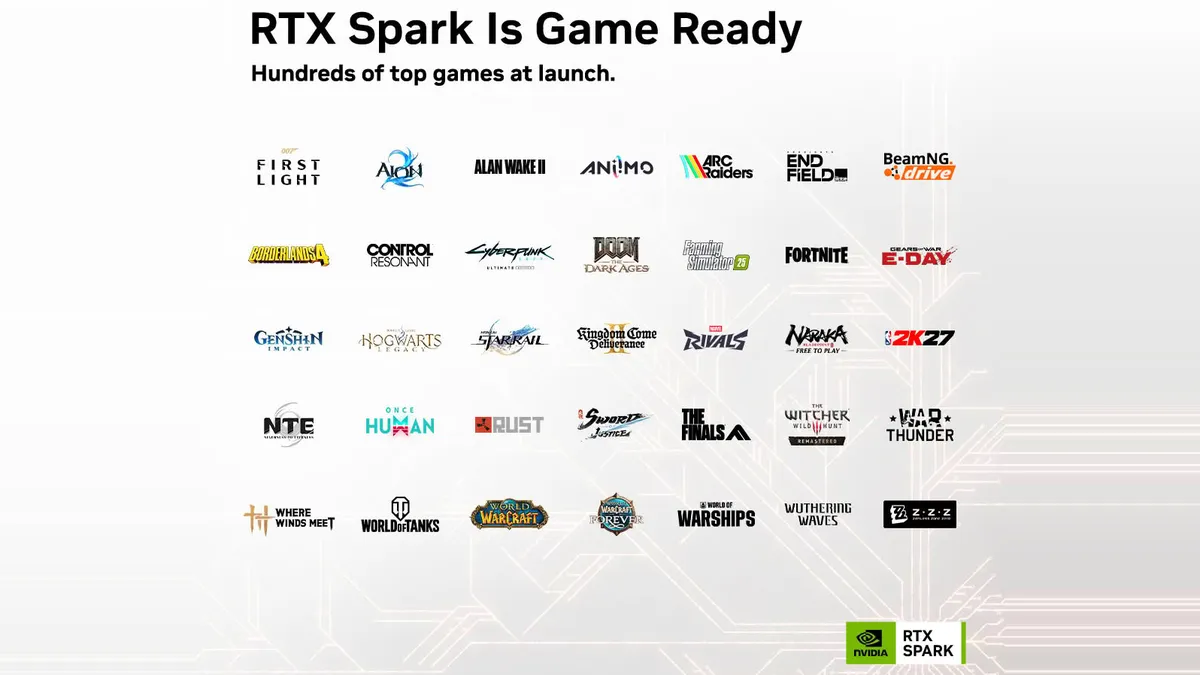
NVIDIA has officially unveiled a major milestone for ultra-mobile PC gaming. Scheduled to arrive in compact desktops and thin laptops on October 16, 2026, the new RTX Spark superchip will be fully Game Ready for dozens of AAA releases on Windows 11 Arm64. Engineered to deliver an uncompromising 1440p gaming experience, the processor integrates a 20-core NVIDIA Grace ARM64 CPU alongside a massive Blackwell-based iGPU packing 6,144 CUDA cores.
The critical breakthrough lies in resolving the long-standing limitation of Windows on Arm: kernel-level anti-cheat support. By collaborating closely with Microsoft and leading game studios, NVIDIA secured the hardware trust chain to ensure kernel anti-cheat drivers operate seamlessly without tripping emulation layer security flags. Competitive giants including Counter-Strike 2, Fortnite, Marvel Rivals, Dota 2, Rust, The Finals, and War Thunder will run on day one, setting a new benchmark for competitive PC titles running on next-generation hardware.
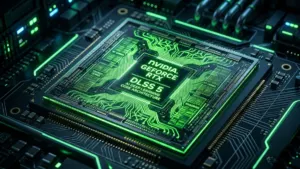
On the visual side, the superchip introduces DLSS 5 featuring 3D-guided Neural Rendering. This architecture leverages specialized AI tensor hardware to generate realistic lighting and material details that traditional rendering constraints could never sustain within tight mobile wattages. Major publishers are already committing to native Arm64 builds, with Activision actively optimizing its upcoming 2027 Call of Duty entry specifically for RTX Spark memory and compute pipelines.
Explore NVIDIA GeForce RTX Hardware on Amazon→

My take: the turning point for Windows on Arm gaming
For years, competitive multiplayer was the fatal flaw of ARM-powered Windows hardware. The inability of kernel-level anti-cheat drivers to authenticate through translation layers locked portable machines out of the world's most played games. By locking down the hardware security chain with Microsoft and deploying the raw compute of Blackwell silicon, NVIDIA has dismantled that barrier. If thermal dissipation and launch pricing align on October 16, thin-and-light gaming laptops just gained their first true architectural rival.

PC hardware enthusiast and competitive gamer, Arthur 'Heimdall' splits his time between France and the UK working in enterprise B2B software solutions. A business school graduate passionate about component benchmarking, he has been building, modding, and tuning PCs since childhood, optimizing every thermal degree and millisecond of display latency. An avid gamer across Assassin's Creed and sandbox titles, he forged his alliance with Grimtag and Chaya during late-night World of Warcraft raids before joining Pro-Gamer.