GeForce RTX 5070 Ti Hits $1,499 Against Its $749 MSRP: Why NVIDIA's "Not Discontinued" GPU Doubled in Price
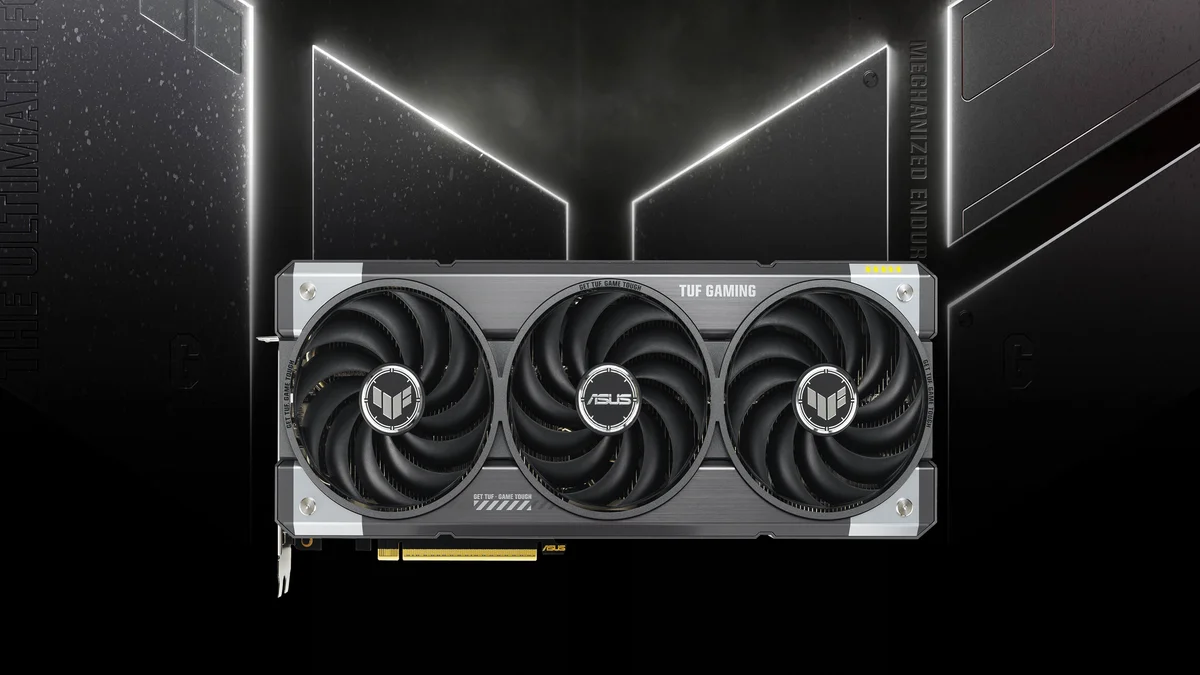
Following the near-total disappearance of the GeForce RTX 5090 and GeForce RTX 5080 from mainstream retail shelves, extreme price inflation has officially moved down the Blackwell stack. Launched at an official manufacturer's suggested retail price (MSRP) of $749 in the United States (£729 in the United Kingdom and €884 in Europe), the GeForce RTX 5070 Ti (16GB GDDR7) is now selling for nearly twice its launch price in early November 2026, even as NVIDIA and its board partners insist the graphics card remains in active production.
Up $160 in Eight Days: From $1,339.99 Baseline to $1,499.99 Custom Models (and Over £1,129 in the UK)
Direct retail price tracking across major North American and European hardware outlets between October 29 and November 6, 2026 reveals a steep upward spike. In the United States, the entry-level price for the cheapest in-stock GeForce RTX 5070 Ti at major retailers including Newegg and B&H Photo Video jumped from $1,179.99 on October 29 to $1,339.99 on November 6. Within just eight days, the baseline street price climbed by $160, placing the most affordable available model 79% above NVIDIA's $749 MSRP.
For factory-overclocked partner cards equipped with triple-fan cooling shrouds, retail tags have officially crossed the 2x MSRP threshold. The ASUS TUF Gaming GeForce RTX 5070 Ti OC (16GB) is currently listed at $1,499.99 at B&H Photo Video, exactly double the baseline launch price. Meanwhile, third-party marketplace listings on Amazon and Newegg have surged as high as $2,770 as baseline inventory dries up.
International markets are experiencing the exact same squeeze. In the United Kingdom, every major PC component retailer now charges over £1,100 for an in-stock GeForce RTX 5070 Ti. At Overclockers UK, the cheapest baseline model sits at £1,129.99 as of November 6, up from £929.99 at the beginning of October and 55% above its £729 official MSRP. Across continental Europe, available custom cards routinely trade between €1,349 and €1,549.
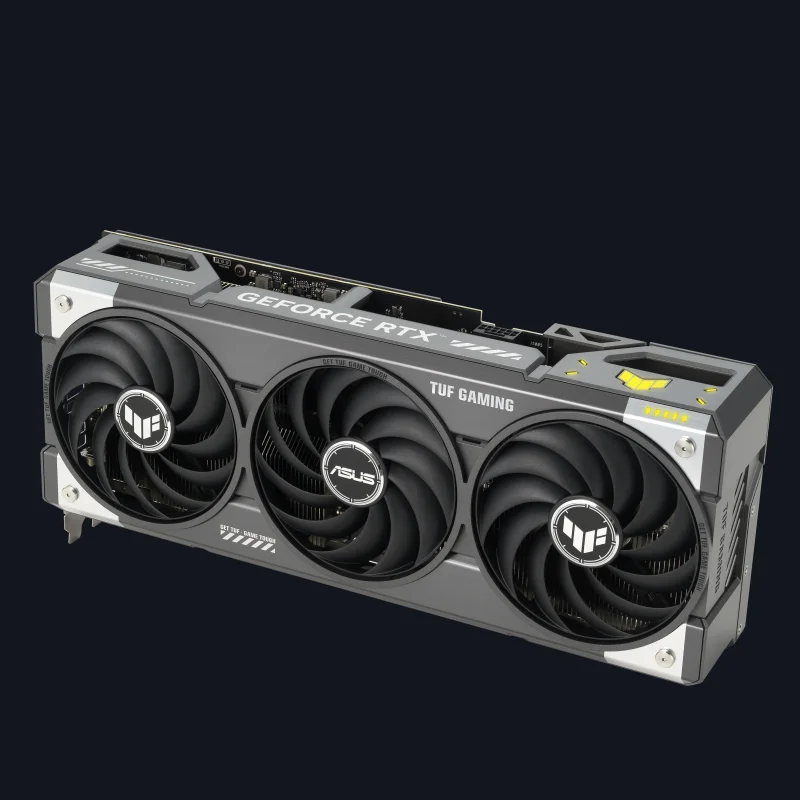
ASUS TUF Gaming GeForce RTX 5070 Ti OC (16GB GDDR7)
- NVIDIA Blackwell GB203-300 Architecture (8,960 CUDA Cores)
- 16GB GDDR7 Memory on a 256-bit Bus (896 GB/s Bandwidth)
- 3.125-Slot Axial-Tech Cooler, Phase-Change Thermal Pad, and DLSS 5 Support
Officially "Not Discontinued" by NVIDIA and ASUS While Only One RTX 5090 Is Given Away
This retail surge stands in sharp contrast to official statements from Santa Clara and its board partners. When End-of-Life (EOL) rumors first circulated regarding 16GB Blackwell SKUs, both NVIDIA and ASUS issued public denials. Both companies explicitly confirmed that the GeForce RTX 5070 Ti has "not been discontinued or designated as end-of-life," stating that all GeForce models continue to ship while attributing shelf fluctuations to industry-wide memory supply constraints.
In practice, keeping a SKU technically active on paper does little to stabilize street pricing when partner allocations shrink to a trickle. The disconnect between official messaging and retail availability was underscored on November 6, 2026, when NVIDIA celebrated the DLSS 5 update for Hogwarts Legacy by launching a social media sweepstakes giving away a single custom GeForce RTX 5090 Founders Edition. Hardware enthusiasts quickly pointed out the irony of proving the flagship GPU still exists by raffling off one promotional unit while retail shelves remain empty.
378 mm² GB203 Silicon and GDDR7 Bottlenecks: The Domino Effect of Missing Flagships
From a supply chain perspective, the GeForce RTX 5070 Ti sits at the crossroads of three simultaneous hardware bottlenecks involving its GB203-300 silicon (TSMC 4N process, 8,960 CUDA cores, 378 mm² die size) and its 16GB of 28 Gbps GDDR7 memory across a 256-bit interface (896 GB/s bandwidth).
- Spillover Demand From Missing RTX 5080 and RTX 5090 Stock: With RTX 5090 pricing out of reach and the 16GB RTX 5080 pulled from NVIDIA's official storefront ahead of the rumored $1,500 GeForce RTX 5080 24GB slated for CES 2027, enthusiasts looking for a 16GB 4K-capable card have been funneled directly toward the RTX 5070 Ti.
- GDDR7 Reallocation Toward High-Margin AI Hardware: GDDR7 memory wafers from Samsung, SK Hynix, and Micron remain heavily prioritized for workstation and data center accelerators (such as the RTX PRO Blackwell lineup), leaving AIB partners with restricted memory kits and higher factory costs.
- GB203 Die Splitting Across Multiple Tiers: Rather than flooding retail channels with baseline RTX 5070 Ti units, silicon allocation has been split across multiple SKUs, including harvested dies repurposed for the GeForce RTX 5070 built on a 378 mm² GB203 die instead of the native GB205 chip.
| Region / Retail Tier | Official Launch MSRP | Late October 2026 Street Price | November 6-7, 2026 Street Price | Markup Over MSRP |
|---|---|---|---|---|
| US Baseline In-Stock (Newegg / B&H) | $749.00 | $1,179.99 | $1,339.99 (+$160 in 8 days) | +79% |
| US Custom OC (ASUS TUF Gaming OC 16GB) | $749.00 (base) | $1,299.99 | $1,499.99 (up to $2,770 third-party) | +100% (2x MSRP) |
| UK Baseline In-Stock (Overclockers UK) | £729.00 | £929.99 | £1,129.99 | +55% |
| Continental Europe (Major Retailers) | €884.00 | €1,199.00 | €1,349.00 to €1,549.00 | +52% to +75% |
My Take on the Spec Sheet
From a hardware engineering standpoint, I viewed the GeForce RTX 5070 Ti as the sweet spot of the Blackwell lineup when it launched near its $749 MSRP. Its 16GB GDDR7 buffer on a 256-bit bus delivers the exact VRAM headroom required for max-setting 1440p and 4K gaming that the 12GB RTX 5070 lacks. However, paying $1,339.99 for an entry-level model or $1,499.99 for an ASUS TUF Gaming OC completely breaks the price-to-performance ratio. At nearly twice its MSRP, buyers are being asked to pay flagship 80-Ti or 90-class money for a cut-down 300W GB203 chip with 8,960 CUDA cores. Until GDDR7 supply stabilizes and street prices return to Earth, holding onto your current GPU or looking at sub-$950 alternatives is the only sensible move for PC builders. We have not yet had a physical unit on our desk, if the manufacturer's team would like to send over a review sample so we can put it through our full real-world testing protocol, our lab doors are wide open.

PC hardware enthusiast and competitive gamer, Arthur 'Heimdall' splits his time between France and the UK working in enterprise B2B software solutions. A business school graduate passionate about component benchmarking, he has been building, modding, and tuning PCs since childhood, optimizing every thermal degree and millisecond of display latency. An avid gamer across Assassin's Creed and sandbox titles, he forged his alliance with Grimtag and Chaya during late-night World of Warcraft raids before joining Pro-Gamer.