A Modder Boots macOS 27 on a Snapdragon X2 Elite Laptop With Native Adreno GPU Acceleration
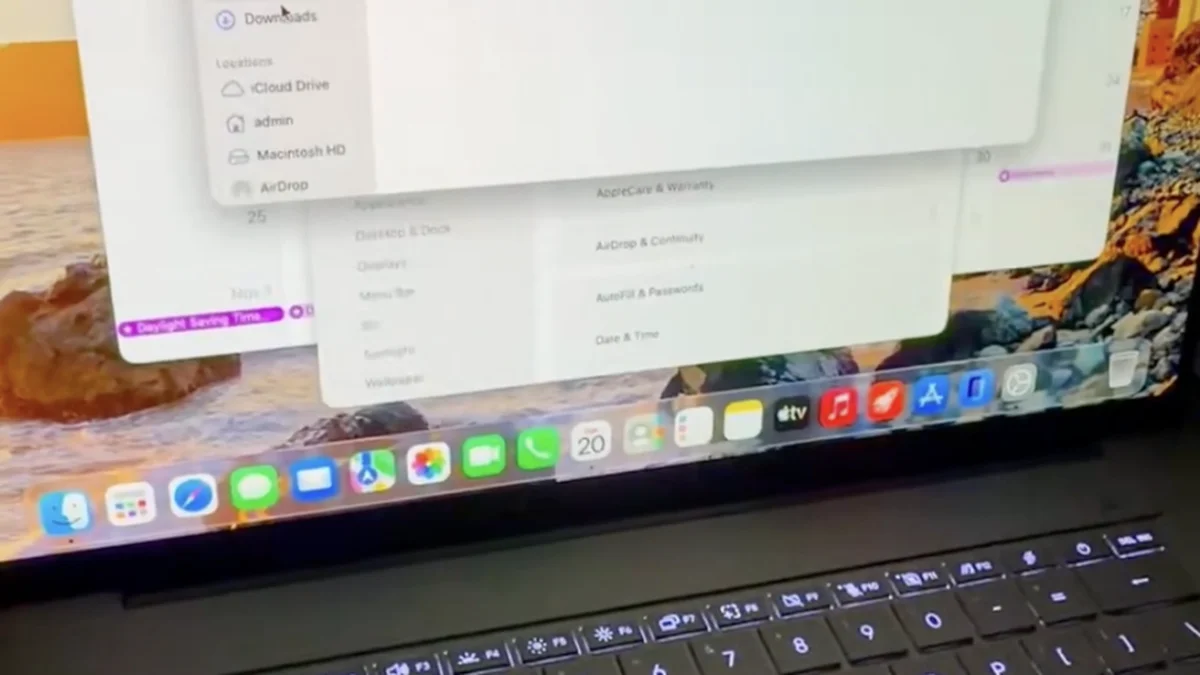
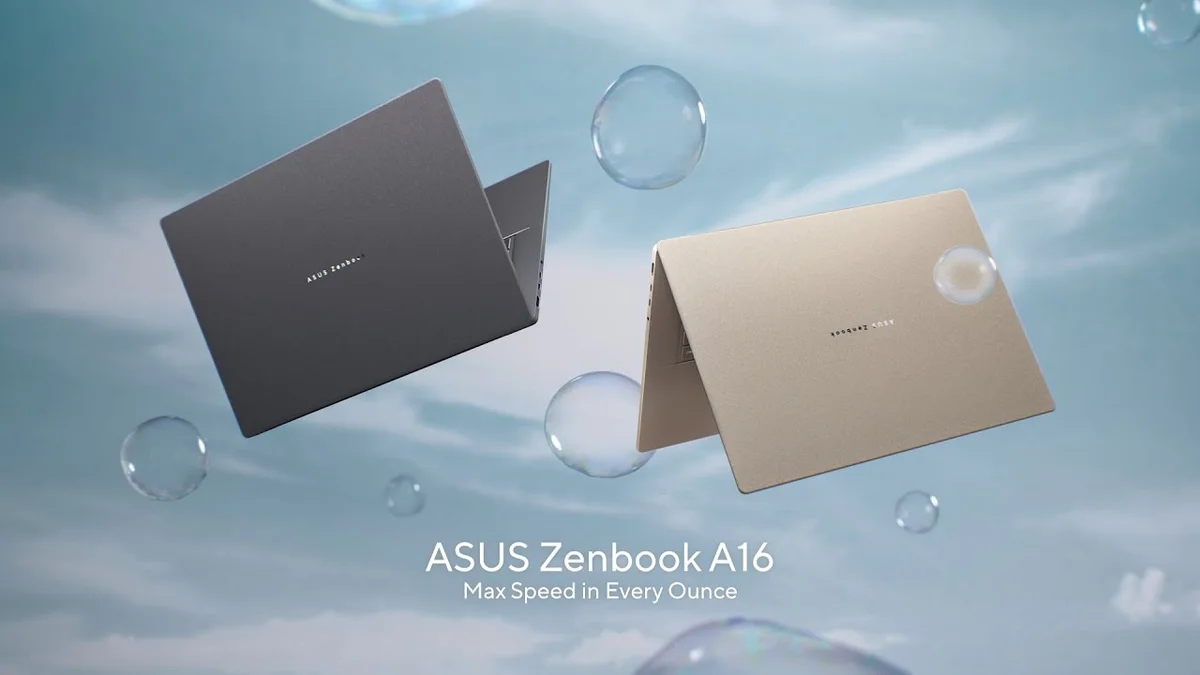
Apple's transition away from Intel processors was widely expected to mark the permanent end of the Hackintosh scene, yet the rise of ARM laptops has just opened an unexpected new chapter. Independent developer Miguel C, known online as Acelogic, has published the complete source code and toolchain on the official Snapintosh GitHub repository, demonstrating macOS 27 (build 26A428) booting and running on an ASUS Zenbook A16 laptop powered by a Qualcomm Snapdragon X2 Elite processor.
An EL2 Hypervisor Running Apple's Unmodified macOS 27 Kernel
Unlike legacy x86 Hackintosh builds that relied on OpenCore bootloaders and extensive binary kernel patches, Snapintosh takes advantage of the shared ARM64 instruction set between Qualcomm and Apple silicon. The project is built around a custom EL2 hypervisor monitor paired with the q1n1 UEFI EL2 proxy, a specialized fork of the m1n1 bootloader originally created by the Asahi Linux project. After taking control from the laptop's UEFI firmware, the monitor supplies the exact hardware platform contracts that Apple's stock kernel expects.
As a result, Apple's unmodified J700/T8140 kernelcache runs at EL1 across six virtual CPUs directly from the laptop's internal NVMe SSD. Behind the scenes, the Snapintosh EL2 monitor emulates Apple's SPTM and TXM security monitor calls while dynamically translating macOS's 16 KiB memory page tables into the 4 KiB hardware shadow tables required by the Snapdragon architecture. It also provides emulated Apple device models, including the AIC interrupt controller and an asynchronous ANS2 NVMe storage controller.
air2ir3 and AdrenoMetal Deliver True Hardware Acceleration on the Adreno X2-90 GPU
What sets Snapintosh apart from early proof-of-concept boot experiments is its custom graphics stack. Rather than falling back on slow CPU software rendering or paravirtualized display output, Miguel C engineered a native driver pipeline for the laptop's integrated Adreno X2-90 GPU. Every desktop frame, Core Animation transition, and window surface in macOS 27 is rendered directly on Qualcomm's graphics silicon, passing pixel verification tests across 14 desktop scenes without tile mismatches.
Three custom components make this possible: the userspace AdrenoMetal.bundle driver plug-in, the AdrenoX2 IOGPU kernel extension paired with AdrenoDisplay, and a custom shader compiler named air2ir3. This compiler translates Apple's Metal intermediate representation (AIR) directly into Mesa's ir3 shader format for Adreno hardware. Driving the Zenbook A16's internal 2880 × 1800 display at a tear-free vblank-locked 60 Hz, the GPU reaches clock speeds of up to 1,185 MHz with dynamic voltage and frequency scaling while staying below 72 °C.
Strict Hardware Requirements and Current Prototype Limitations
On the input side, the built-in keyboard and precision I2C-HID touchpad work out of the box via the custom SnapI2CHID driver, which presents the surface to macOS as a native Apple multitouch trackpad supporting smooth scrolling, Mission Control gestures, and Cmd-Tab app switching. However, the developer emphasizes that Snapintosh is strictly hardcoded for the ASUS Zenbook A16 (model UX3607OA) equipped with the Snapdragon X2 Elite (X2E-96-100), and every boot currently requires a host Mac running macOS 27 connected via USB-C as the broader push toward custom ARM processors in modern laptops continues to accelerate.
Check Availability for ASUS Zenbook Snapdragon on Amazon→
Several hardware features remain on the development roadmap. Desktop frame pacing currently sits at a median of 46 to 60 presents per second during busy workloads, with occasional 100 to 350 ms stalls caused by contention on the monitor's global SPTM lock, while firmware limits still cap peak CPU cluster clocks. Although the onboard Qualcomm QCC2072 Wi-Fi chip can scan, join WPA2 networks, and ping through a host-proxy harness, native macOS Wi-Fi menu connections, audio, Bluetooth, cameras, sleep/wake states, external displays, and the panel's native 120 Hz refresh mode are not yet supported.
My Test Bench: Why Snapintosh Opens a Fascinating Frontier for ARM Laptops
Looking through the Snapintosh repository, what stands out most to me is not simply seeing the macOS 27 desktop running on an ASUS chassis, but the engineering behind the air2ir3 shader translator and the EL2 shadow page-table walker. Translating Apple's Metal shaders into Mesa's Adreno instruction set without relying on CPU fallback is a remarkable piece of low-level systems work. While the software compatibility hurdles still facing ARM PCs show how fragmented the ecosystem remains, Snapintosh proves that community developers are already bridging the gap between Apple Silicon and Qualcomm's flagship laptop processors.

PC hardware enthusiast and competitive gamer, Arthur 'Heimdall' splits his time between France and the UK working in enterprise B2B software solutions. A business school graduate passionate about component benchmarking, he has been building, modding, and tuning PCs since childhood, optimizing every thermal degree and millisecond of display latency. An avid gamer across Assassin's Creed and sandbox titles, he forged his alliance with Grimtag and Chaya during late-night World of Warcraft raids before joining Pro-Gamer.