3% to 5% Price Hike in October and Steeper Increases on Flagships: Why Dell Is Raising Its Monitor Prices
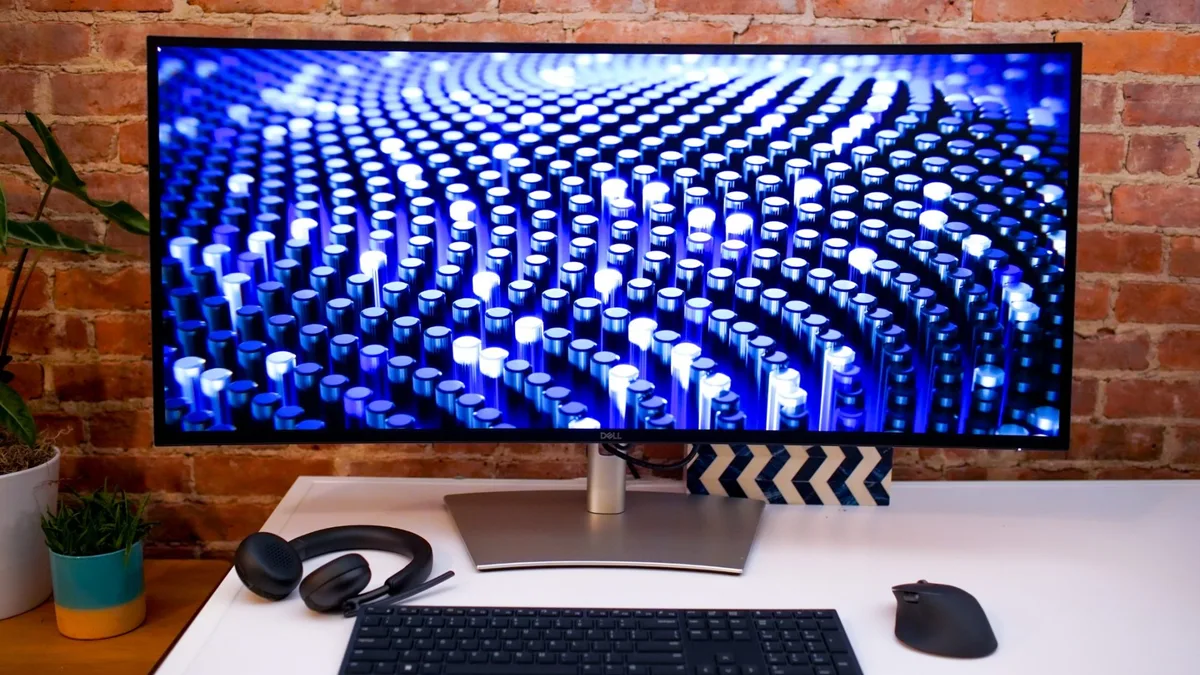
While fierce competition and new panel generations had steadily driven display prices down over recent quarters, the trend is reversing this fall. According to an internal notification sent by Dell to its distribution partners and reported by Asian supply chain network ChannelGate (via IT Home), the Texas-based hardware giant is implementing a broad increase in monitor shipping prices starting this October.
A 3% to 5% Increase Across Mid-Range Lines, With Bigger Hikes on Flagship Displays
Based on the pricing guidance shared with wholesale partners, factory shipping prices are climbing by 3% to 5% across Dell's core mid-range monitor catalog this month. However, the adjustment does not stop at that threshold for premium hardware: the internal notice specifies that several high-end models are facing even larger price hikes above the 5% mark.
Within the company's display portfolio, these steeper adjustments primarily affect two flagship tiers: high-resolution professional Dell UltraSharp productivity monitors (such as the 40-inch curved U4025QW 5K2K 120Hz Thunderbolt 4 hub display) and high-refresh-rate Alienware QD-OLED gaming monitors (including the 32-inch 4K 240Hz AW3225QF and the 27-inch 1440p 360Hz AW2725DF). Conversely, newly released entry-level monitors aimed at basic office setups are explicitly excluded from this round of increases in order to protect sales volume in the budget segment.
The Delayed Ripple Effect of July's Component Cost Surge
This October pricing revision stems from an earlier wave of upstream manufacturing cost increases that first hit the supply chain back in July. Throughout the summer, rising costs for advanced OLED and IPS Black panels, display driver ICs, and onboard memory chips squeezed hardware margins, echoing broader component pressures seen alongside ASUS's return to high-capacity graphics cards with the 32GB Arc Pro B70. Initially, Dell chose to absorb those July cost increases internally rather than passing them straight on to distributors and retail buyers.
Three months later, sustained pressure across the component supply chain has prompted the company to pass part of the burden onto its shipping prices. Channel sources also warn that this October adjustment may not be the final one: if upstream panel and electronics costs continue to climb through the fourth quarter, Dell could enact additional rounds of price increases in the future. For PC builders pairing a display with compact RDNA 4 graphics cards like the PowerColor Radeon RX 9050 8GB Low Profile or high-end desktop GPUs, there is still a short-term buffer: because the hike applies to wholesale shipping prices first, retailers selling existing pre-October inventory or absorbing a portion of the difference may keep street prices stable for the next few weeks.
My Take: Should You Lock In an Alienware QD-OLED Monitor Before Retail Inventory Turns Over?
When a supply chain giant of Dell's scale absorbs rising component costs all summer before finally raising wholesale shipping prices in October, it sends a clear signal about where the display market is headed. If you are shopping for a basic $150 office screen, you have nothing to worry about since entry-level models are exempt. However, if I were eyeing a flagship panel like the Alienware AW3225QF 4K 240Hz QD-OLED or an UltraSharp 5K2K workstation monitor in the $900 to $1,800 bracket, a hike exceeding 5% can easily add $50 to $120 once current retail stock dries up. While major retailers are still clearing batches invoiced at September rates, the next couple of weeks represent the safest window to upgrade before the new wholesale pricing reaches store shelves.

PC hardware enthusiast and competitive gamer, Arthur 'Heimdall' splits his time between France and the UK working in enterprise B2B software solutions. A business school graduate passionate about component benchmarking, he has been building, modding, and tuning PCs since childhood, optimizing every thermal degree and millisecond of display latency. An avid gamer across Assassin's Creed and sandbox titles, he forged his alliance with Grimtag and Chaya during late-night World of Warcraft raids before joining Pro-Gamer.