Up to 20% Price Hike: Why Intel Is Raising CPU Costs as AMD Prepares to Follow
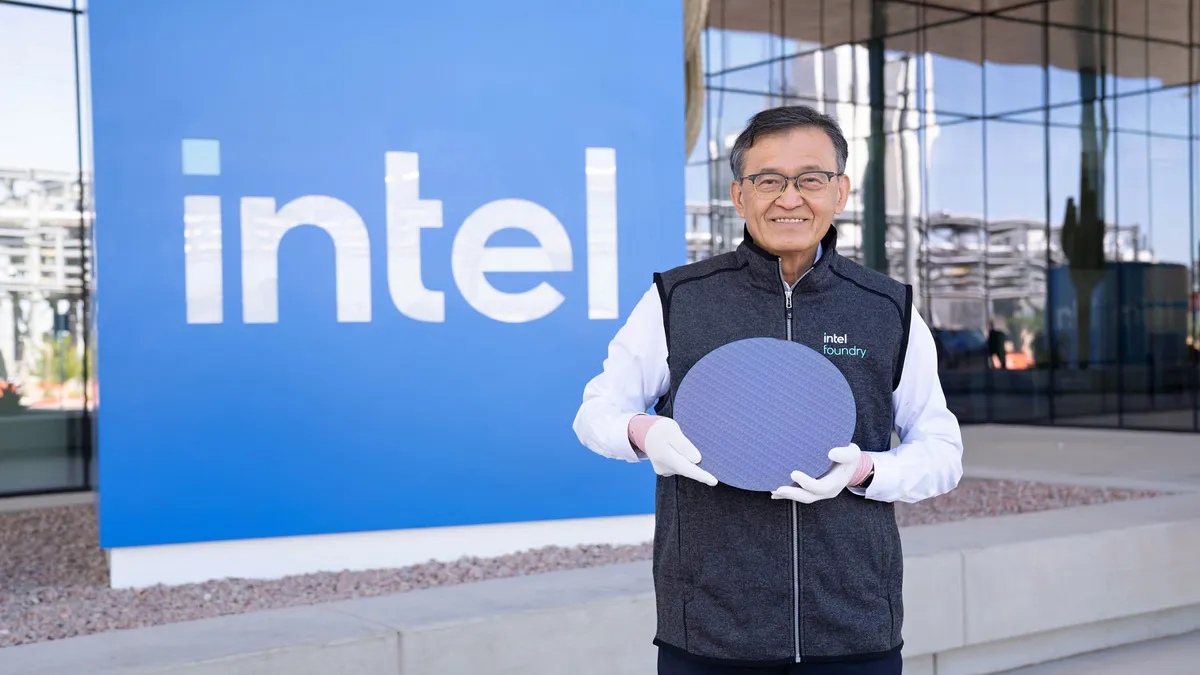
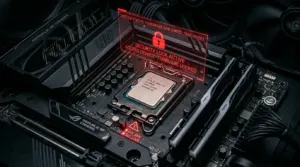
Building a gaming PC or upgrading a central processor is about to become noticeably more expensive over the coming quarters. According to supply chain reports published by Taiwan's industrial and financial daily Commercial Times (CTEE), Intel has issued a formal price revision notice to its manufacturing partners and system integrators.
The adjustments reportedly represent a 15% to 20% price increase across multiple CPU families. Rather than targeting only future experimental silicon, this adjustment directly hits the procurement lines of desktop builders and laptop original equipment manufacturers (OEMs).
A quiet notification that sends shockwaves through the supply chain
Supply chain sources report that the price adjustments took effect quietly at the supplier tier during early autumn. For hardware partners already operating in a cooling global PC market, the news arrived as an unwelcome surprise.
System integrators had hoped for component stability heading into the next fiscal cycle. With Intel adjusting wholesale pricing upwards, computer vendors and retail channels will have little choice but to pass these expenses onto final retail prices once existing inventory runs dry.
Panther Lake hit hardest, current and older architectures also impacted
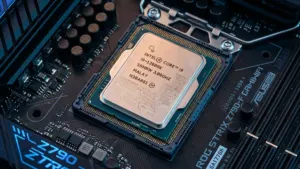
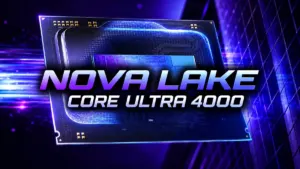
The steepest increases land directly on Intel's upcoming Panther Lake architecture, designated as the Core Ultra 300 series. Top-tier configurations featuring high-end integrated graphics tiles (specifically 10-core and 12-core Xe GPU configurations) are seeing price hikes between 15% and 20% on OEM order sheets.
Current generation hardware is not exempt from the adjustment. Both Arrow Lake (Core Ultra 200) and previous-generation Meteor Lake silicon are subject to price increases in the 5% to 10% range.
Even entry-level platforms and older inventories are caught in the adjustment wave. Intel's 12th-generation Alder Lake processors alongside budget Twin Lake chips are climbing by 10% to 20%, closing off traditional cost-saving alternatives for budget-conscious builders.
TSMC wafer contracts and Foveros 3D packaging drive manufacturing costs
This price escalation is not simply an opportunistic balance sheet adjustment. It reflects mounting manufacturing and structural expenses across the advanced semiconductor pipeline.
Modern Intel processors rely on disaggregated tile architectures that separate the compute cores, graphics, SoC, and input/output onto distinct dies. Several of these key tiles are outsourced directly to TSMC's cutting-edge lithography nodes, where contract pricing for 3nm wafers remains at historic highs.
On top of raw foundry wafer expenses, Intel's proprietary Foveros 3D stacking requires complex packaging capacity that is currently under immense strain from enterprise AI hardware demand worldwide.
AMD facing identical foundry realities
Gamers hoping to sidestep price increases by jumping to Team Red may find little relief. According to Taiwanese industry reports, AMD is preparing similar pricing adjustments across select processor catalogs.
Because AMD relies almost entirely on TSMC for its Zen computing dies and RDNA graphics packaging, the company faces identical wafer cost pressures. Supply chain sources indicate upward adjustments are being planned for both Ryzen desktop processors and EPYC server chips.
With Qualcomm having already increased prices on Snapdragon X platforms earlier in October, the broader personal computer chip ecosystem is adjusting simultaneously to new cost baselines.
Pro-Gamer's Take: Budget and mid-range PC builds face new headwinds
This price wave confirms an uncomfortable reality for PC gaming enthusiasts. While high-end graphics card pricing has never fully normalized to pre-2020 expectations, seeing central processors climb by up to 20% further strains mid-tier build budgets.
While existing distributor stock will cushion retail prices in the immediate term, upcoming Panther Lake gaming laptops and newly assembled desktop rigs entering the market in 2027 will inevitably carry steeper price tags at checkout.

SEO consultant for over 20 years and digital entrepreneur, Charles 'Grimtag' Ronchain is the founder of Pro-Gamer.gg, Retrocharting.com, and Gamescharting.com. A competitive gamer, streamer, and retro game collector, he has worked in the video game industry for over 15 years, notably as a consultant for leading game price comparison platforms. Passionate about real-time performance data and gaming technology, he analyzes competitive esports, gaming hardware benchmarks, and creator workflows on Pro-Gamer.gg with an authentic player perspective.