Stela Revives the Hackintosh on PC: How This 'Reverse Rosetta 2' Boots Apple Silicon macOS 27 on Intel and AMD CPUs With NVIDIA GPUs
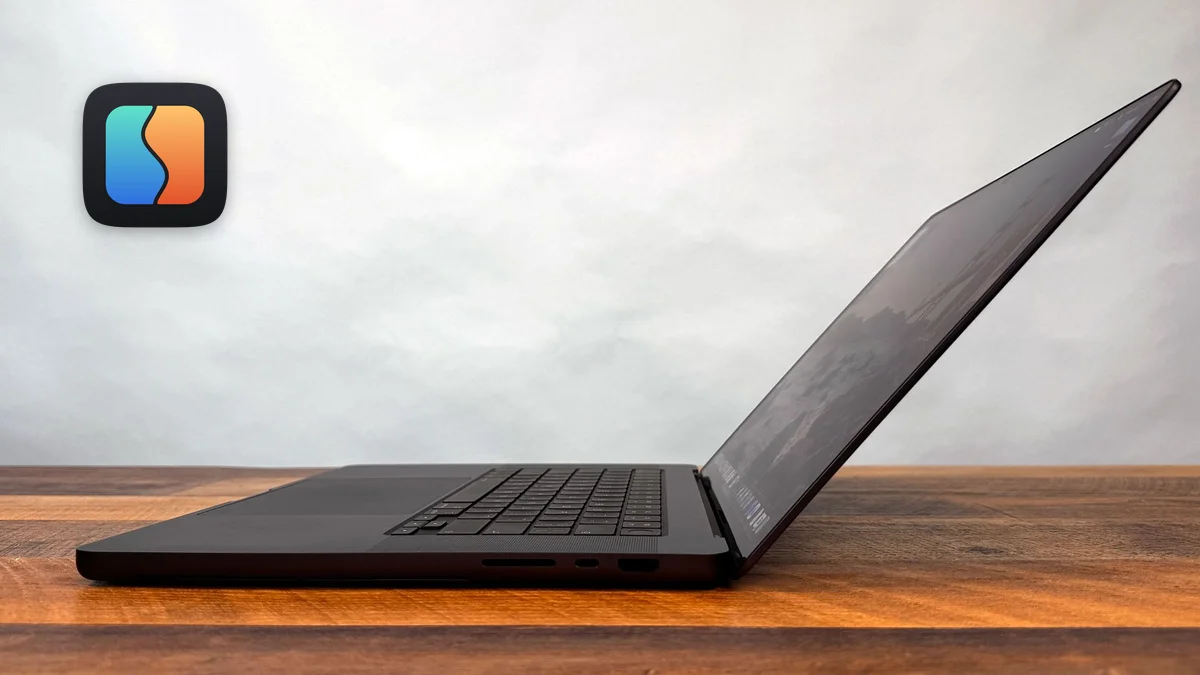
When Apple officially dropped all remaining support for Intel x86 processors in macOS 27, most hardware enthusiasts assumed the traditional PC Hackintosh era was dead and buried. Developer Tyler Smith (known on GitHub as tylertms) clearly had other plans. His newly released open-source project, Stela, introduces a bare-metal Apple Silicon translation and hardware modeling layer capable of booting an unmodified ARM64e build of macOS 27 on standard Intel Core or AMD Ryzen processors paired with an NVIDIA GeForce graphics card.
A 'Reverse Rosetta 2' Translating Over 3,000 ARM64e Instructions to x86-64
Traditional Hackintosh bootloaders like OpenCore relied on patching kernel extensions into macOS builds that Apple had already compiled for x86 hardware. Once macOS 27 severed ties with x86 entirely, running Apple's latest operating system on non-Apple hardware required a completely different approach. Just a few months after an independent modder succeeded in booting macOS 27 on a Snapdragon X2 Elite laptop via the Snapintosh project by leveraging shared ARM64 roots, Stela tackles a far steeper architectural wall: translating Apple Silicon instructions for x86-64 desktop chips.
Under the hood, Stela operates as a standalone Linux-based UEFI boot application built with Rust, LLVM, and Mesa. When booted from a USB flash drive prepared by its setup utility, Stela presents a complete virtual hardware model of an M2 Mac mini to the operating system, including a modeled Secure Enclave that handles keybag cryptographic locking and user password verification.
As Tyler Smith details on the official Stela GitHub repository and the project's community Discord server, the macOS 27 installation image downloaded from Apple is not modified in any way. Stela supplies the underlying hardware behavior so the operating system goes through the exact same cryptographic restore process as it would on genuine Apple hardware. Meanwhile, a combined ahead-of-time (AOT) and just-in-time (JIT) compiler translates more than 3,000 AArch64 (ARM64e) instruction encodings into x86-64 code on the fly, mapping guest registers to host registers and caching translated blocks to disk so they persist across reboots.
Bringing NVIDIA GeForce RTX GPUs Back to macOS via Metal-to-NIR Compilation
Equally impressive is how Stela handles graphics acceleration. Even though Apple cut off official NVIDIA GPU support years ago, Stela ships with a custom graphics driver built specifically for NVIDIA GeForce GTX 16-series (Turing) and GeForce RTX 20, 30, 40, and 50-series cards. The driver intercepts Apple's Metal Shader Intermediate Representation (AIR) and compiles it directly into NIR, Mesa's intermediate representation, providing support for both the Metal 3 and Apple 7 GPU feature families.
Given the continued dominance of GeForce RTX graphics cards in the Steam Hardware Survey, targeting NVIDIA hardware first means millions of PC builders already own a compatible GPU without needing to hunt down specific AMD Radeon cards as older Hackintosh builds required.
System Requirements and Current Limitations in Stela v0.3.1
Development is moving at breakneck speed. Following the initial v0.1.0 launch on November 11, 2026, Smith has already pushed out updates up to v0.3.1, fixing an 11-second boot freeze on AMD Ryzen motherboards with over 512 UEFI memory map entries (such as Ryzen 7 5800XT systems), keeping floating-point operations inside translated code blocks, and adding a dedicated cache for ARM64e pointer authentication (PAC) instructions.
| Component | Stela v0.3.1 Hardware Requirement |
|---|---|
| Processor (CPU) | Intel or AMD x86-64-v2 minimum (2008 Intel Nehalem or 2011 AMD Bulldozer and newer). AVX2 and AVX-512 instructions are utilized when present. |
| Graphics Card (GPU) | NVIDIA GeForce GTX 16-series or GeForce RTX 20, 30, 40, and 50-series (Metal 3 / Apple 7 to Mesa NIR driver). |
| Memory & Firmware | 8 GB RAM or more, 64-bit UEFI motherboard with Secure Boot disabled. |
| Storage & USB Drive | NVMe or SATA (AHCI) drive with at least 60 GB free (GPT partition). 8 GB USB drive (Online installer) or 32 GB USB drive (Offline full installer). |
| Networking & I/O | Broad Ethernet support across Intel (I210 to I226), Realtek (RTL8111 to RTL8126), Broadcom, Aquantia, and Qualcomm Atheros/Killer NICs. Wi-Fi and onboard audio remain in development. |
Smith openly warns early adopters that Stela is still slow, experimental, and unstable depending on motherboard firmware quirks. While Wi-Fi is not yet active in v0.3.1, the setup utility already stages Intel, MediaTek, and Realtek wireless firmware files onto the boot stick in preparation for upcoming releases, with the ultimate goal of supporting every piece of PC hardware backed by the Linux kernel.
Check Availability NVIDIA GeForce RTX Availability on Amazon→
My Take
From a low-level systems engineering standpoint, Stela is an absolute masterclass in sheer audacity. There is a poetic irony in watching the PC community build a 'reverse Rosetta 2' from scratch. In 2020, Apple wowed the hardware world by translating x86-64 code onto ARM silicon; six years later, right as Cupertino locks macOS 27 exclusively behind ARM64e, an independent developer flips the script and uses AVX2 and AVX-512 instructions on AMD Ryzen and Intel Core chips to trick macOS into thinking it is running on an M2 Mac mini. Even better is the custom Metal-to-NIR shader compiler that brings NVIDIA GeForce RTX cards back to macOS after years of Apple shutting NVIDIA out. Instruction translation overhead and pointer authentication emulation obviously mean you will not be replacing a native workstation with Stela tomorrow morning, but seeing unmodified macOS 27 boot on standard x86-64 hardware proves that no walled garden is ever truly closed to PC modders.

PC hardware enthusiast and competitive gamer, Arthur 'Heimdall' splits his time between France and the UK working in enterprise B2B software solutions. A business school graduate passionate about component benchmarking, he has been building, modding, and tuning PCs since childhood, optimizing every thermal degree and millisecond of display latency. An avid gamer across Assassin's Creed and sandbox titles, he forged his alliance with Grimtag and Chaya during late-night World of Warcraft raids before joining Pro-Gamer.