“This Is a Sinking Ship”: Why Former Nintendo of America Boss Doug Bowser Originally Said “Hell No” During the Wii U Era
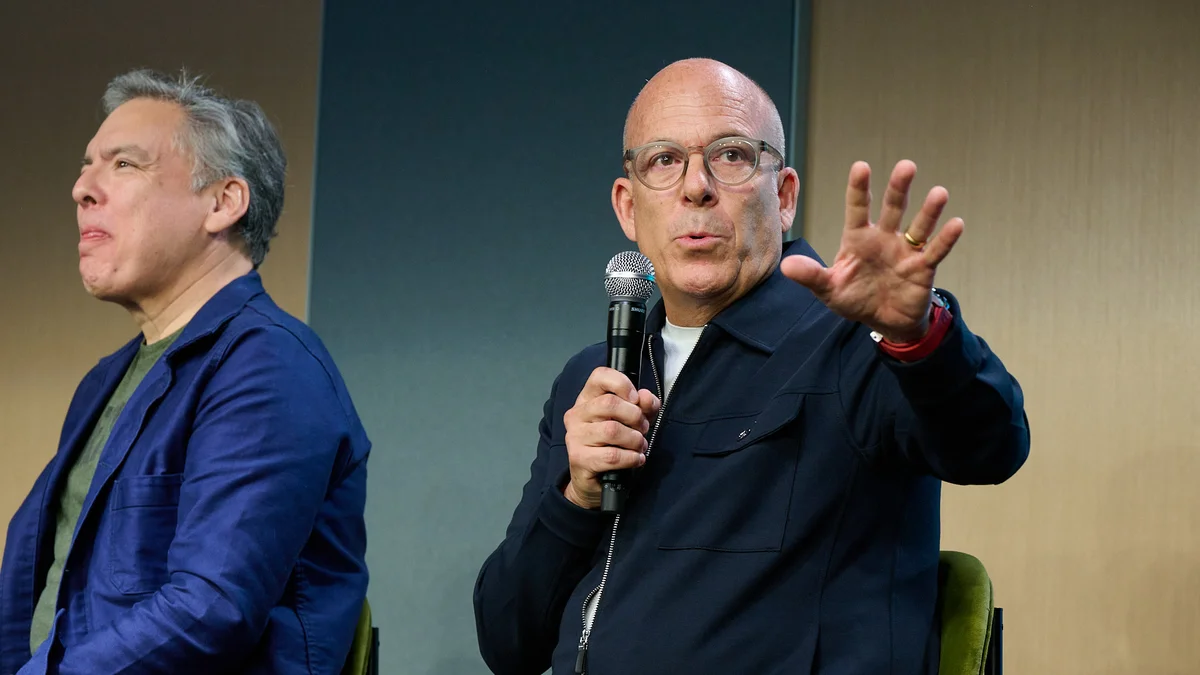
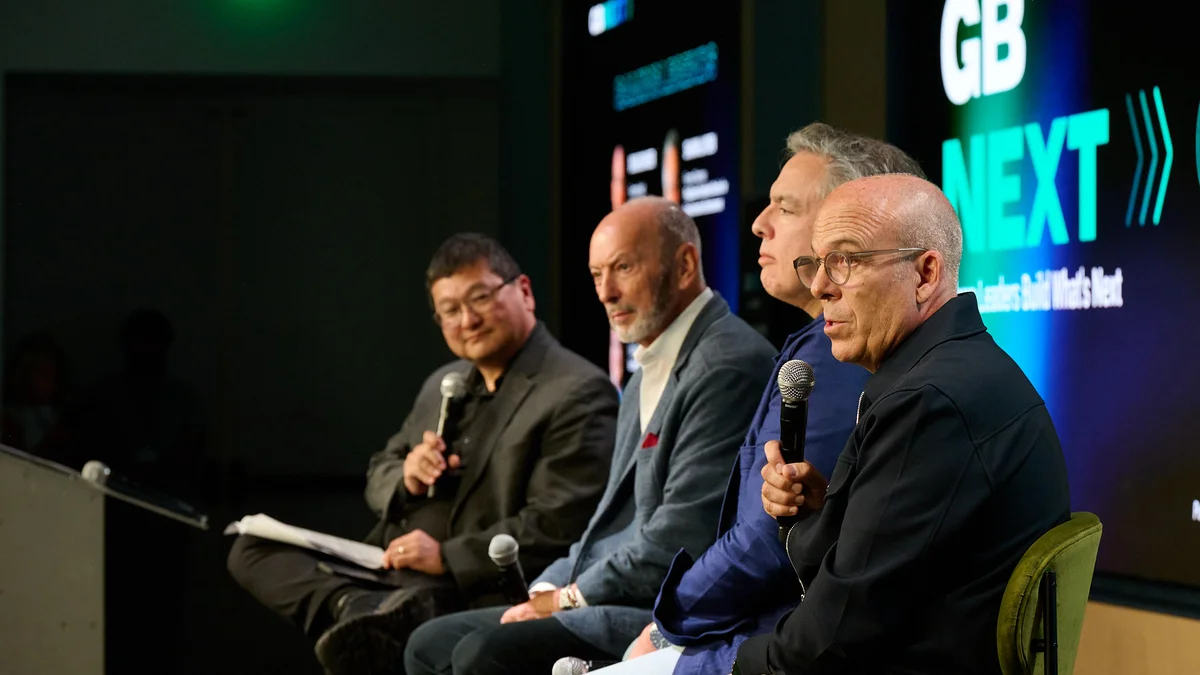
Before leading the Kyoto giant's North American division for six years and overseeing the historic run of the Switch, Doug Bowser almost never set foot inside the house of Mario. Sharing the stage with Shawn Layden (former Chairman of PlayStation Worldwide Studios) and Peter Moore (former executive at Sega, Xbox, and Electronic Arts) during the opening Game Legends panel at GamesBeat Next 2026, the former Nintendo of America president looked back candidly on turning down a recruiter in 2015, his initial worries over the Switch's technical specifications, and the fiercely independent culture inside Kyoto.
“This Is a Sinking Ship”: Why Doug Bowser Initially Rejected Nintendo at Electronic Arts
Before entering the video game industry, Doug Bowser spent the first 23 years of his career at consumer goods giant Procter & Gamble fighting what he jokingly calls the “toilet paper wars,” alongside international assignments in Hong Kong, China, Mexico, and Venezuela. When corporate headquarters asked him to make his tenth relocation in twenty-three years to move to Cincinnati, Ohio, he delivered his very first “Hell no” and reached out to executive headhunters. An avid player of Tiger Woods PGA Tour Golf with his son and hooked on SSX Tricky on PlayStation 2, he jumped at the first gaming opportunity that came up at Electronic Arts.
He spent eight years in sales and marketing roles at EA, including his final two years forecasting the business directly for Peter Moore, then Chief Operating Officer. It was during that period in 2015, three years into the troubled life cycle of the Wii U, that a recruiter called to ask if he would consider a leadership position at Nintendo. Bowser's reaction was immediate:
“The second time I said ‘Hell no’ was when I got a call from a headhunter asking me if I would be interested in a role at Nintendo. I said that because it was three years into the Wii U. I was forecasting the business for Peter. We literally were killing every single title on the Wii U. Every single one, I thought, ‘Oh, this is a sinking ship. It’s not a good idea.’”
After stepping away for two weeks to think it over, however, Bowser reflected on his own history with Nintendo's games and realized the company had a rare willingness to take creative risks: “When others zig, they zag.” Won over by that philosophy, he called the recruiter back and asked: “Is it too late to say hell yes?” Joining as Vice President of Sales in 2015 before succeeding Reggie Fils-Aimé as president in 2019, he would witness a dramatic reversal of fortune, with third-party publishers now driving half of the more than 100 million games sold annually across Switch and Switch 2.
Worrying About Teraflops Before the Nintendo Switch Phenomenon
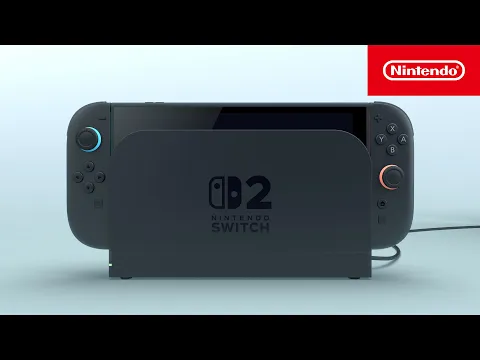
Arriving just in time to prepare the transition to the Nintendo Switch, Doug Bowser still vividly remembers the first moment he held the hybrid hardware. Seeing Nintendo merge its handheld and home console lineages into a single platform struck him as “incredibly revolutionary,” especially because it allowed the company to unite all of its internal software development talent onto one device.
Despite that internal conviction, Bowser admitted he had genuine concerns about how players would react in an era dominated by raw graphical power:
“There was the unknown. How was the consumer going to react? Everyone was talking about teraflops. At the time we weren’t quite talking about raytracing, but it came shortly after. This device didn’t have some of those capabilities. I was concerned as to how consumers would react. But this all came to life for me when we had our first launch event. We were unveiling in January [2017]. People got to play the games. I always said, it’s less about what’s under the hood and more about what’s on the screen.”
Any lingering doubts vanished at the March 2017 midnight launch outside the Nintendo New York store, where lines wrapped around the block past Rockefeller Center and fans walked through the doors with “literal tears in their eyes.”
Console Wars, First-Party Exclusives, and Shinya Takahashi's Playtesting Rule
Describing himself as a competitive person by nature, Bowser admitted it used to frustrate him when media coverage framed the “console wars” exclusively around Sony and Microsoft: “WTF? We’re selling 150 million units and we’re not even included in the conversation?” Looking back, however, he noted that being left out of that narrative was often a blessing, as Nintendo deliberately chose to “play in its own ocean” rather than get dragged into a costly hardware arms race.
That economic discipline also explains why Nintendo sees no reason to bring its first-party games to rival platforms. Bowser recalled having lengthy conversations with Xbox boss Phil Spencer when Microsoft was weighing the multiplatform future of Call of Duty; Spencer pointed out that recouping such a massive acquisition required putting the franchise on PlayStation and Switch. At Nintendo, by contrast, hardware and software teams sit side by side to optimize games at a fraction of typical triple-A budgets, a model reinforced by Nintendo's refusal to follow the industry's mass layoff trend and its commitment to retaining veteran development teams.
Finally, Bowser shared a striking story about how Shinya Takahashi, Senior Managing Executive Officer and head of Nintendo's EPD development division, enforced the company's mission statement of “creating smiles” during internal strategy reviews:
“Shinya Takahashi, who was running development at the time, was very specific about what he wanted. He wanted enough people in the room that you could see their faces and see their eyes, but he didn’t want any more than that. He wanted to be able to see everyone. He would sit there and literally watch your expression. He never watched what your hands were doing on a controller. He never watched what was happening on the screen. He watched your eyes and your facial expression. He wanted to see, are you having fun? If he didn’t see it, he would ask you directly: ‘Why is it not fun?’”
My Field Notes
That playtesting room story with Shinya Takahashi captures why Kyoto's creative philosophy cannot be replicated on a corporate spreadsheet. While much of the modern industry obsesses over retention metrics and ballooning budgets that punish experimentation, evaluating a prototype by watching the player's eyes rather than the television screen cuts straight to the heart of game design: specs mean nothing if the controller does not spark immediate joy. And the fact that Doug Bowser himself initially wrote Nintendo off as a sinking ship in 2015 before presiding over a 150-million-unit powerhouse is the ultimate reminder of how quickly fortunes change when a company dares to go its own way.

Originally from Lyon, France, gaming journalist Bastien "Orion" relocated nearly a decade ago to Quebec City's Saint-Roch district, right in the heart of eastern Canada's development studio hub. Before crossing the Atlantic, he honed his versatile reporting style across classic French gaming web portals and specialist television outlets in the 2000s and 2010s, notably with JeuxVideo.fr and JeuxNews. Equally passionate about AAA blockbusters, North American studio culture, retro preservation, and community modding projects, he anchors Pro-Gamer's transatlantic desk and real-time coverage of US and Japanese industry announcements.