“Murder on Testing Teams”: Why Nintendo of America Prized Zelda: Ocarina of Time’s Most Obscure Hidden Lines
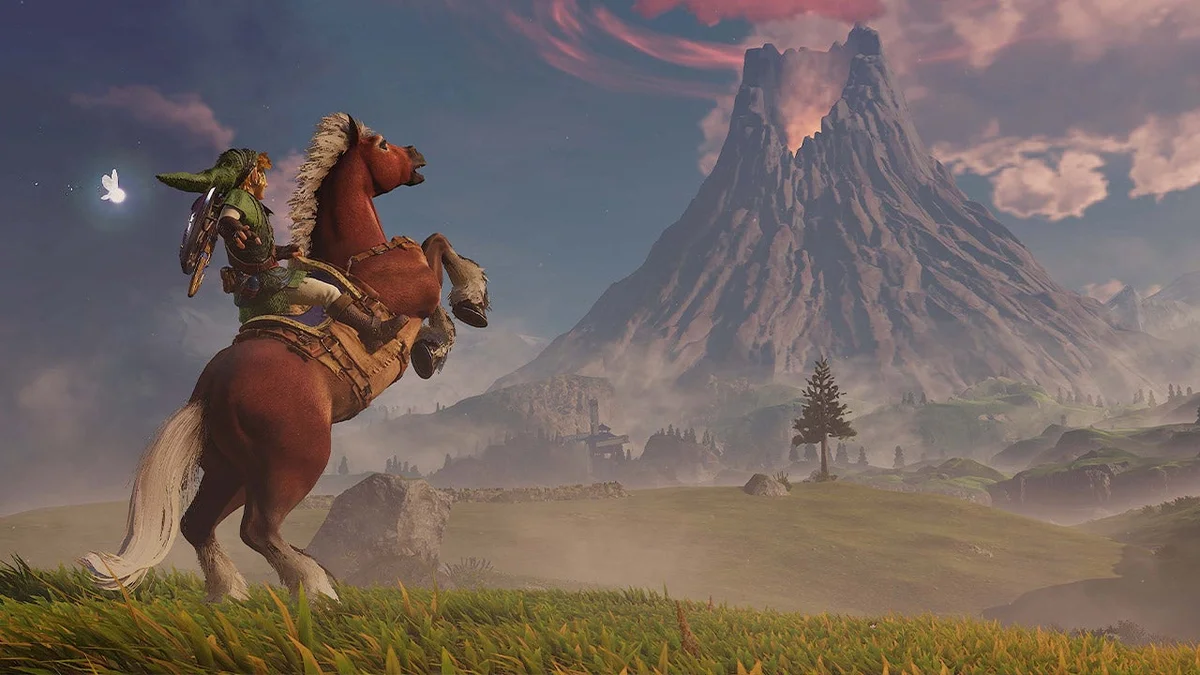
Going through The Legend of Zelda: Ocarina of Time for a third time still delivers the exact same thrill: stumbling across a line of dialogue that never showed up during the first two playthroughs. Whether triggered by speaking to a specific Hyrule resident at a narrow point in the timeline or grabbing a key item completely out of sequence, Nintendo's landmark adventure is packed with conditional reactions that the vast majority of players will never witness.
During the midnight launch celebration for the Nintendo Switch 2 remake at the official Nintendo New York flagship store in Rockefeller Plaza, Nate Bihldorff (Senior Vice President of Product Development and Publishing at Nintendo of America) pulled back the curtain on how his localization teams treat those deeply buried interactions. A longtime veteran of the Nintendo Treehouse who was already at the company when the Nintendo 64 original launched in 1998, Bihldorff confirmed that these elusive lines receive top priority.
A Direct Line and a “Wink” to Sequence-Breaking Players
Having recently explained why Nintendo treats major classic remakes with the exact same importance as brand-new Switch 2 titles, Bihldorff revealed that localization writers pour their greatest effort into single lines that only a tiny fraction of players will ever uncover. Whether a player chats with a character at an odd hour in Zelda or pulls off sequence breaking in a Metroid adventure, rewarding that curiosity is paramount.
"My group handles the localization of these games. And I can tell you that the localization team, absolutely, puts the most importance on those single lines that are really, really hard to find. And you know, of course, they are murder on testing teams because finding that specific line and making sure that it appears correctly in the game is super important. But there was always something special about localizing those lines and knowing that only a few people were going to read it, that it took a specific course of action to get there."
Nate Bihldorff, Senior Vice President of Product Development and Publishing at Nintendo of America
Knowing that a player had to go out of their way to trigger a rare condition pushes the Treehouse writers to give that line "that little extra oomph." According to Bihldorff, unearthing one of those tucked-away responses creates an immediate bond between the player and the creators: "You feel like you're connecting with the developers in those moments. It's a direct line where they're kind of winking at you."
Asked whether there might still be undiscovered Easter eggs or conditional lines hiding inside Ocarina of Time in 2026, Bihldorff noted that he cannot speak on behalf of the Japanese development team, who would likely remain tight-lipped anyway. Still, he personally likes to think something remains unfound: "I like to believe that there are. [...] Nintendo games in general have a wondrous way of having something that you just don't discover forever."
An “Estuary Water Mix” Across Generations and Strict Secrecy
Much like series producer Eiji Aonuma wanted younger Kyoto developers to experience the classic firsthand when Nintendo EPD rebuilt Ocarina of Time from the ground up for Switch 2, a similar generational bridge formed across the Pacific. Inside Nintendo of America's Redmond offices, veterans who worked on the 1998 release collaborated directly with newly hired localizers in their early twenties fresh out of college, watching them experience certain corners of Hyrule for the very first time.
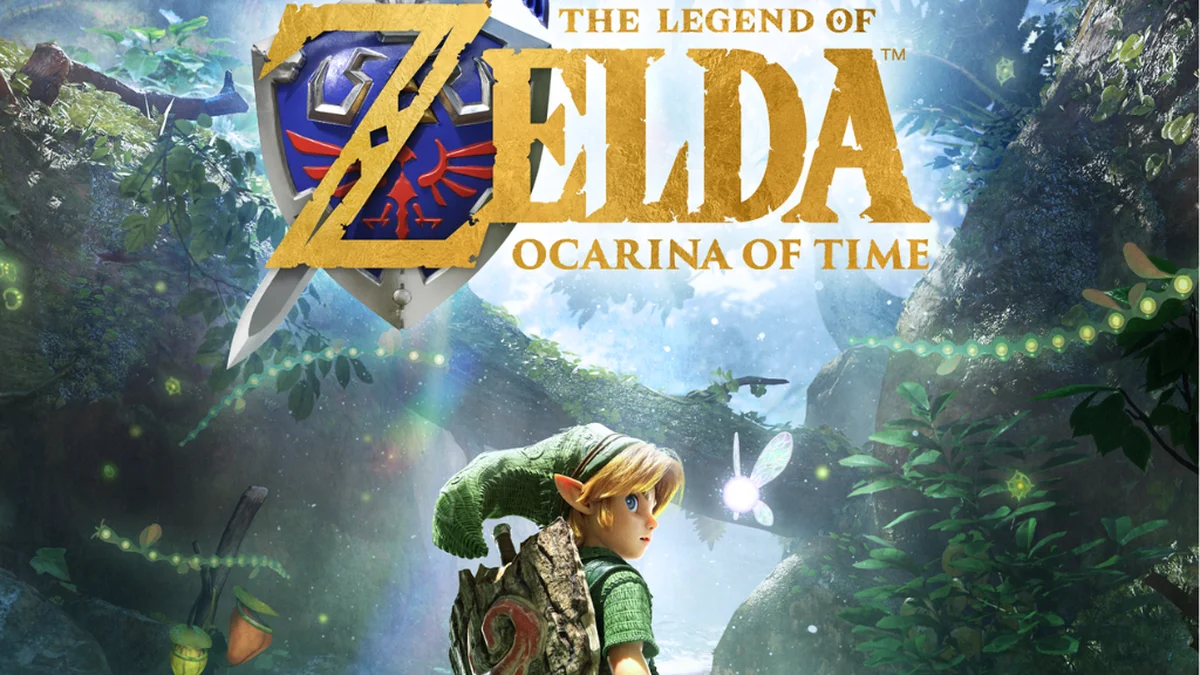
Bihldorff described that blend of veteran institutional memory and fresh perspective as an "estuary water mix" that keeps the company's creative process vibrant. Behind the scenes, however, keeping the remake under wraps for years required ironclad discipline: "It's a tough job sometimes, being behind the scenes when you can't talk to anybody. We don't talk to our spouses and stuff like that about it."
From Game Boy Batteries to the Piano: Jon Batiste on Koji Kondo’s Legacy
The New York launch celebration also drew lifelong fans whose careers were shaped by the 1998 masterpiece, including Grammy, Oscar, and Emmy-winning musician Jon Batiste. Attending the event alongside fans lining up outside, Batiste recalled how his older sister used to hand him her Game Boy to play Link's Awakening only when the batteries were nearly dead, before the Nintendo 64 era changed his musical path forever.
Captivated by the score of Ocarina of Time, a young Batiste began learning Hyrule's melodies by ear on the piano. Alongside his cousin, Nintendo franchise themes soon made up roughly 50% of their first band's repertoire, prompting them to research the game's credits and study the compositional style of Nintendo legend Koji Kondo.
My Field Notes
Listening to Nate Bihldorff describe the QA headache caused by single-line conditional dialogue immediately reminded me of our own Chaya "Chayane," who has spent the past week deliberately tackling Hyrule's dungeons out of order on Switch 2 just to see which NPCs react differently. That willingness to pour localization polish and testing hours into a joke or hint that 99% of players will walk right past is the exact soul of classic Nintendo design.
In an era where too many modern blockbusters plaster yellow paint over every ledge so no asset ever goes unseen, pairing 1998 Treehouse veterans with twenty-something newcomers in that "estuary water mix" is the best possible insurance that Hyrule's quietest corners keep their magic intact.
Available now on Nintendo Switch 2, the remake of The Legend of Zelda: Ocarina of Time continues to reward observant players willing to stray off the beaten path across Hyrule.
Zelda Ocarina of Time
Explore official trailers, technical specs and all latest coverage for Zelda Ocarina of Time.
Originally from Lyon, France, gaming journalist Bastien "Orion" relocated nearly a decade ago to Quebec City's Saint-Roch district, right in the heart of eastern Canada's development studio hub. Before crossing the Atlantic, he honed his versatile reporting style across classic French gaming web portals and specialist television outlets in the 2000s and 2010s, notably with JeuxVideo.fr and JeuxNews. Equally passionate about AAA blockbusters, North American studio culture, retro preservation, and community modding projects, he anchors Pro-Gamer's transatlantic desk and real-time coverage of US and Japanese industry announcements.