Over 7,000 Demos, AI Clones, and Broken Discovery: Why Valve Still Refuses to Police Steam Next Fest
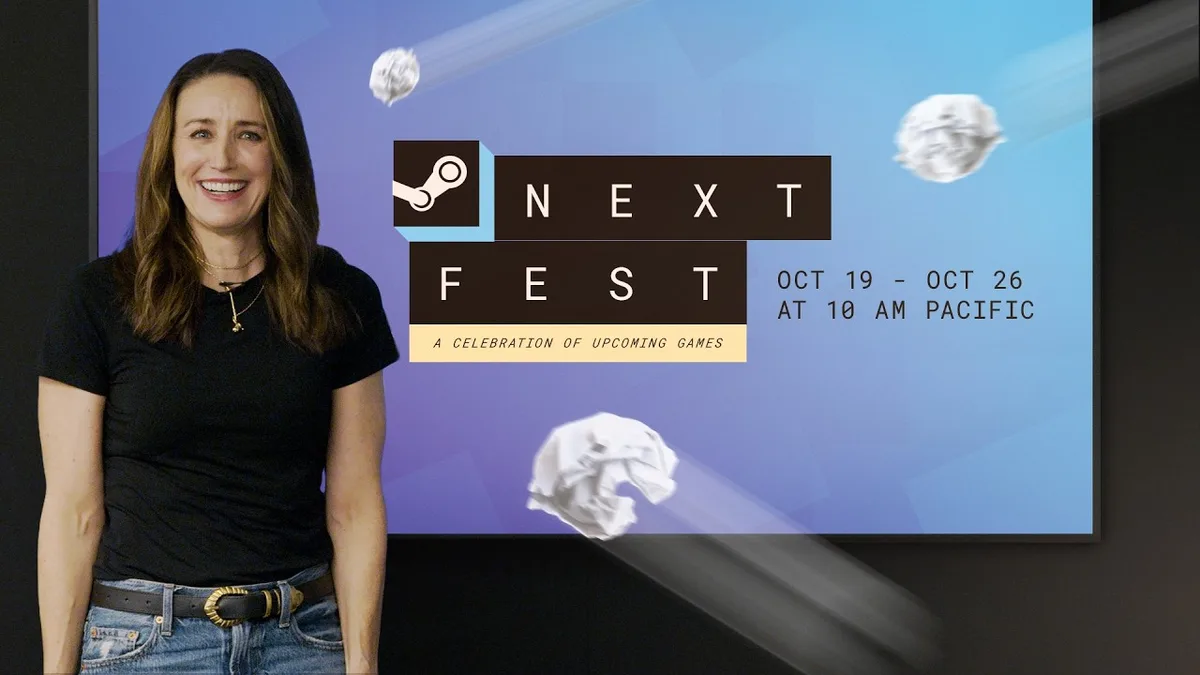
The October 2026 edition of Steam Next Fest (which ran from October 19 to October 26) left a bitter taste in the mouths of many independent developers. With a record-shattering wave of 7,100 to over 8,000 playable demos tracked across the week, more than double the size of traditional editions, Valve's premier showcase was heavily flooded with low-effort generative AI projects and rapid-fire clones. Speaking during a panel at the Steam Indie Connect event in Busan, South Korea on October 27, Valve representatives finally addressed the growing backlash.
48 Hours of Randomized Discovery and a Historic Bottleneck on Steam
Throughout the week-long festival, frustration boiled over across the development community. Former Valve writer Chet Faliszek, well known for his work on Half-Life 2, Portal, and Left 4 Dead, publicly criticized the state of the event on Bluesky, warning that the storefront had become "overwhelmed with slop and AI crap" and risked sliding into the same clone-heavy traps that plagued the mobile gaming market.
Taking the stage in South Korea at the joint event hosted by Valve and the Busan Indie Connect Festival, Steam Business Team members Tom Giardino and Marc Wilkinson acknowledged that the sheer scale of October's showcase strained the store's discovery mechanisms. Wilkinson assured attendees that the company is not ignoring developer feedback:
"We are fully aware of the situation, and a significant number of people are thinking about how to solve this problem."
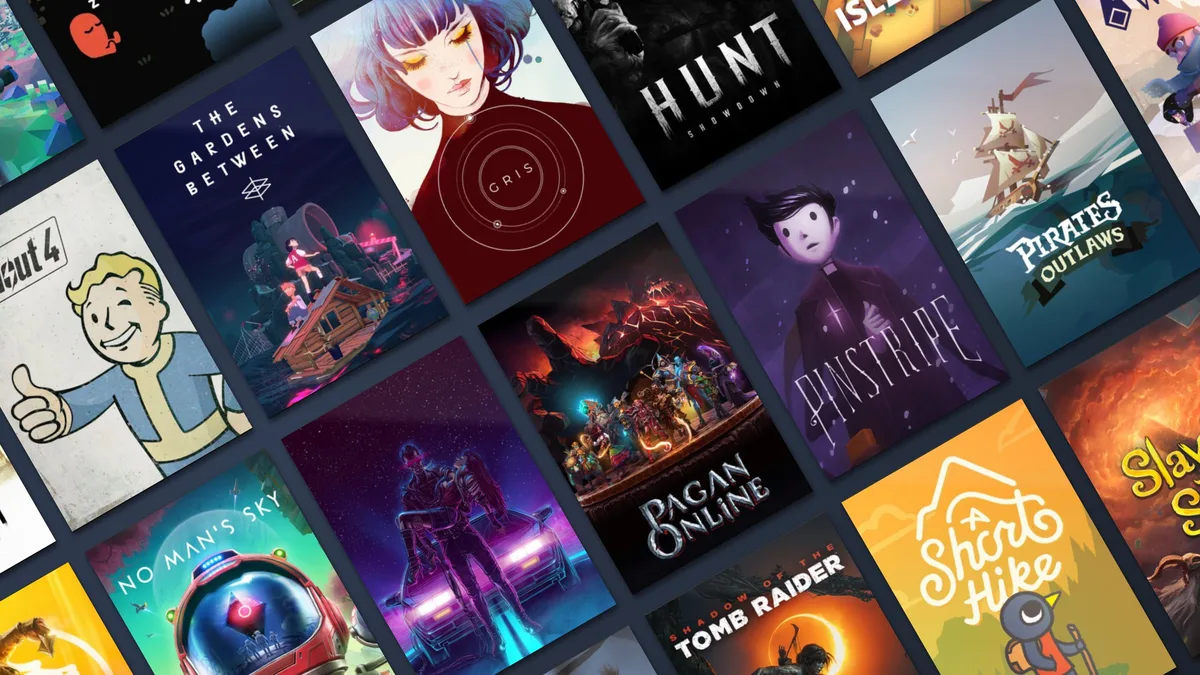
To explain why players encountered so many rough, low-effort builds right as the showcase opened on the official Steam Next Fest page, Wilkinson detailed how the festival's algorithm operates under the hood. During the first two days of Next Fest, Steam intentionally surfaces demos on a randomized basis. That system was designed to prevent algorithmic manipulation and guarantee every participating studio a fair baseline of early impressions before personalized machine-learning recommendations take over later in the week. However, with more than 7,000 entries competing at once, that initial two-day randomization inevitably exposed players to thousands of low-quality submissions.
"We Don't Want to Be Gatekeepers": Valve's Stance on AI Tools and Copycats
While several major publishers are aggressively mandating generative workflows internally, as seen in the recent Electronic Arts internal turmoil over mandatory Claude AI adoption, Valve firmly ruled out banning generative AI from its storefront. Since January 2024, Steam has only required developers to disclose whether their games contain pre-generated or live-generated AI content on their store pages.
During the Busan panel, Tom Giardino reiterated that Valve has no intention of policing development pipelines:
"We don't want to be gatekeepers telling developers which tools they should or shouldn't use."
When pressed on the rise of AI-accelerated cloning, where bad actors spot a viral indie demo during Next Fest and use generative tools to churn out a near-identical copycat within days, Giardino acknowledged that AI has drastically sped up a trend-chasing problem that existed long before modern tools. Still, Valve's advice places much of the burden on the original creators to make their projects harder to replicate:
"Rather than relying on a single mechanic that someone can easily copy, you need to keep growing your game by adding features, personality, and creativity that stem from your own perspective."
According to the Steam Business Team, building direct trust with a community early on and layering genuine creative identity into a project remains the strongest defense against opportunistic asset-flips.
Masahiro Sakurai Dismisses AI Copycats as "Unprofitable Titles"
Valve's comments arrive right alongside a blunt assessment from Masahiro Sakurai. Speaking this week with the Japanese publication Denfaminico Gamer, the creator of Super Smash Bros. and Kirby reflected on the explosive growth of PC game releases, noting that Steam jumped from roughly 275 annual releases in 2010 to more than 19,000 games per year today.
Sakurai pointed out that generative AI is uniquely suited for copying established gameplay loops and mass-producing "low-quality goods." He highlighted how standout indie concepts, such as Librarian: Tidy Up the Arcane Library!, now immediately spawn endless waves of supermarket-organization and hidden-object knock-offs.
Even so, the veteran director doubts these assembly-line clones will actually make money. Because generative tools lower the barrier to entry and flood the market beyond what players can reasonably process, Sakurai predicts the vast majority of AI-driven copycats will end up as "unprofitable titles." Contrasting automated mimicry with visionary human creators like Fumito Ueda (ICO, Shadow of the Colossus) or veteran designers crafting passion projects like Club Penguin co-creator Lance Priebe's new Steam brawler Mini Bash, Sakurai argued that AI can recycle mechanics, but it cannot replicate genuine human authorship.
My Take
Let's be real for a second: I have been using Steam for over twenty years, and Next Fest used to be my favorite week on the calendar to dig up genuine indie gems, but October's showcase felt like wading through a landfill. When a Steam Direct slot only costs $100 and generative tools let bad actors spit out ten clones of a trending demo over a weekend, giving every submission 48 hours of randomized front-page rotation actively punishes real developers. Telling a two-person indie team to simply "make their game less copyable" after they spent three years hand-crafting a prototype that content farms rip off in days feels detached from reality. Nobody is asking Valve to ban legitimate development tools, but separating automated shovelware from actual human craftsmanship before Next Fest goes live is the bare minimum if Steam wants to protect indie discoverability.

SEO consultant for over 20 years and digital entrepreneur, Charles 'Grimtag' Ronchain is the founder of Pro-Gamer.gg, Retrocharting.com, and Gamescharting.com. A competitive gamer, streamer, and retro game collector, he has worked in the video game industry for over 15 years, notably as a consultant for leading game price comparison platforms. Passionate about real-time performance data and gaming technology, he analyzes competitive esports, gaming hardware benchmarks, and creator workflows on Pro-Gamer.gg with an authentic player perspective.