Muted Zoom Layoffs, Claude AI Push, and $700M in Cuts: Inside Electronic Arts After BioWare's Closure
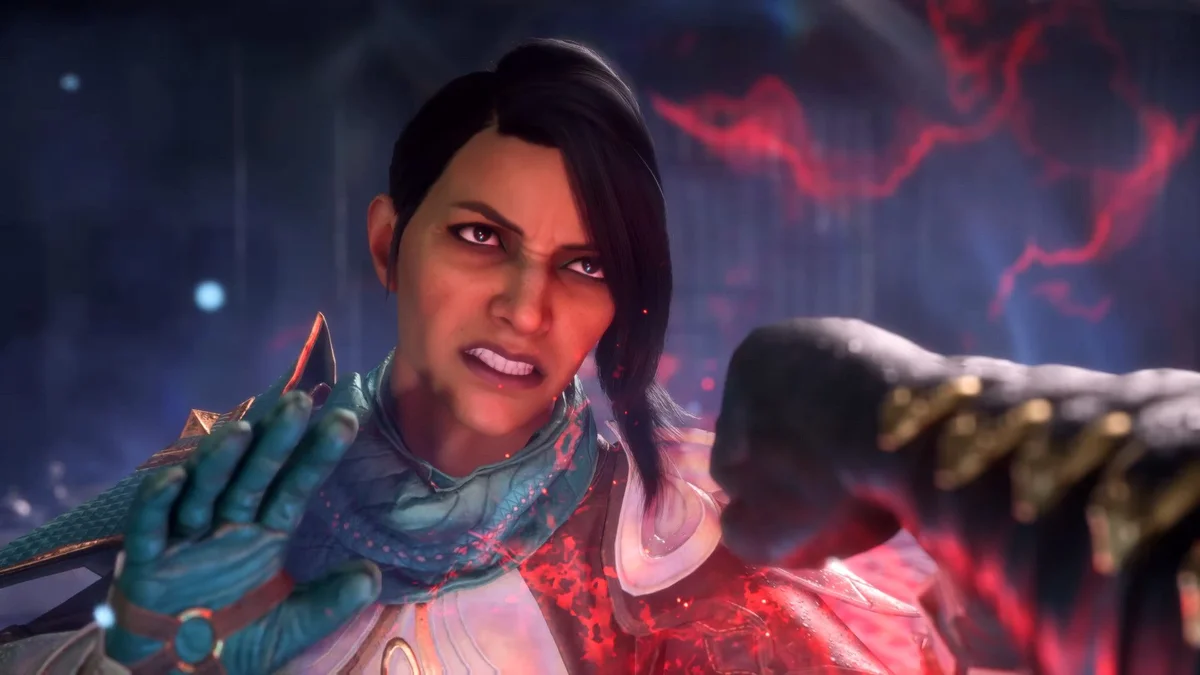
One week after Electronic Arts officially confirmed the permanent closure of BioWare, the cancellation of the next Mass Effect, and 400 company-wide layoffs, developers remaining inside the publisher are speaking out about a severe collapse in internal morale. Caught between aggressive post-buyout cost-cutting, impersonal termination procedures, and a top-down push toward generative artificial intelligence, staff members describe an increasingly alienated workplace.
Muted Zoom Calls and Learning About Fired Colleagues on LinkedIn
Beyond the shock of losing BioWare's Edmonton studio after a thirty-year run, the manner in which Electronic Arts executed its latest round of layoffs has sparked deep frustration across its development teams. According to multiple anonymous employees, the termination process was handled with a level of secrecy and detachment that left teams scrambling for answers.
Several affected staff members were summoned to Zoom meetings where the text chat was disabled and the participant list was hidden from view. Unable to ask questions or communicate with colleagues on the same call, laid-off developers faced a cold, one-way briefing. Because management kept the list of impacted roles tightly under wraps, many surviving team members only discovered who had been let go after reading their coworkers' public farewell posts on LinkedIn hours or days later.
"Do Less, Better" and the Push for Anthropic's Claude AI
For the developers still on the payroll, day-to-day production is now defined by shrinking resources and mounting executive expectations. Internally, leadership has repeatedly promoted the mantra to "do less, better", a phrase that rank-and-file staff say translates in practice to handling the exact same workload with fewer people.
At the same time, upper management has expressed strong enthusiasm for generative AI tools, specifically highlighting Anthropic's Claude model despite pushback from creative teams. Managers have reportedly told staff that generative AI "is the future, you have to get onboard." While AI tools are not yet strictly mandated on paper, one developer noted that internal workflows are being restructured in ways that "make it impossible or very difficult for you to do your job without them."
The Toll of a $55 Billion Buyout and $20 Billion in Debt
The financial pressure driving these cuts stems directly from Electronic Arts going private earlier this year. Following the completion of its $55 billion acquisition in August by a consortium comprising Saudi Arabia's Public Investment Fund (PIF), Silver Lake, and Jared Kushner's Affinity Partners, the publisher led by CEO Andrew Wilson took on roughly $20 billion in debt.
Shortly after the deal closed, leadership informed investors of a plan to slash $700 million in annual costs, including $170 million earmarked under "organizational efficiencies." One employee noted that the internal email announcing the latest restructuring read as though it were "written by a robot," calling it a fitting reflection of the company today: "A cold dead place that's slowly decaying as leadership pilfers every last cent, leaving the rest of us to worry about how we feed our families." With Electronic Arts historically unwilling to sell off dormant intellectual properties, flagship RPG franchises like Mass Effect and Dragon Age remain locked inside the publisher's vault for the foreseeable future.
My Take
Watching BioWare's thirty-year legacy end in muted Zoom calls while executives rave about Claude prompts is a grim snapshot of modern corporate gaming. Anyone who grew up playing Baldur's Gate, Star Wars: Knights of the Old Republic, and the original Mass Effect trilogy knows that landmark RPGs are built on human craft, institutional memory, and creative risk, not debt-servicing spreadsheets. Saddling Electronic Arts with $20 billion in leveraged buyout debt guaranteed that single-player studios with long development cycles would be first on the chopping block. Handing overworked survivors a generative AI login and telling them to "do less, better" will not birth the next great sci-fi epic; it only hollows out the very talent that made those franchises worth buying in the first place.

SEO consultant for over 20 years and digital entrepreneur, Charles 'Grimtag' Ronchain is the founder of Pro-Gamer.gg, Retrocharting.com, and Gamescharting.com. A competitive gamer, streamer, and retro game collector, he has worked in the video game industry for over 15 years, notably as a consultant for leading game price comparison platforms. Passionate about real-time performance data and gaming technology, he analyzes competitive esports, gaming hardware benchmarks, and creator workflows on Pro-Gamer.gg with an authentic player perspective.