The Rise of Mobile Esports: Why Younger Generations Are Ditching $2,000 PCs for 120Hz Smartphones
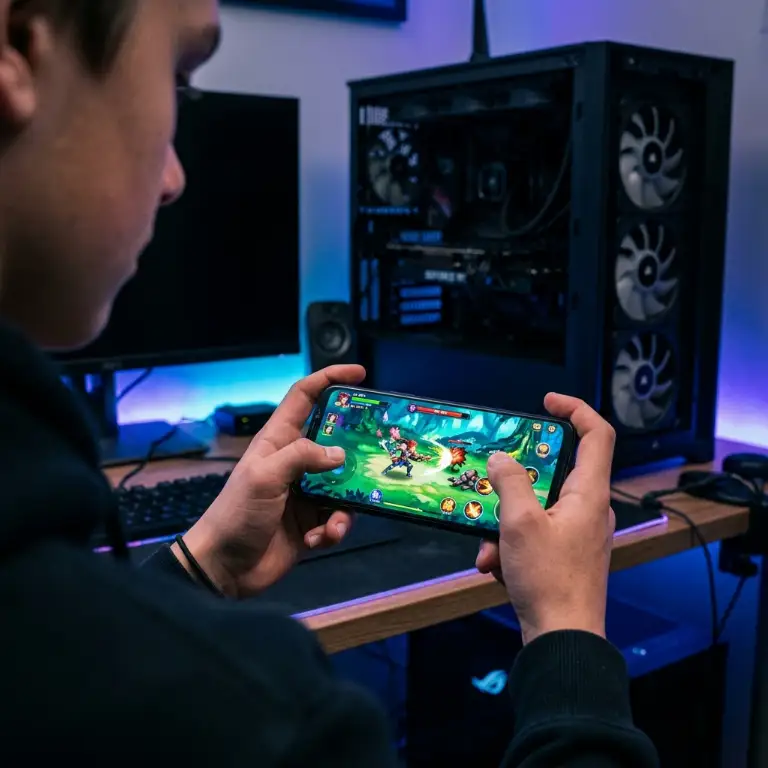
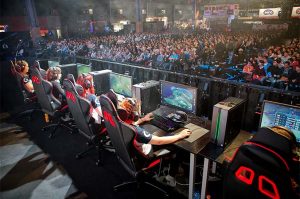
For older generations of gamers, esports conjures a singular image: a hulking custom desktop PC paired with a 360Hz monitor, an ultralight mouse, and a loud mechanical keyboard. But in 2026, that traditional dogma is being shattered.
Across the globe, a quiet revolution is unfolding. A rising generation of competitive players is bypassing $2,000 gaming rigs entirely, opting instead to wage high-stakes tournament battles on high-refresh 120Hz smartphones.
The Global Explosion of Snapdragon Pro Series and Mobile Giants
The most visible spearhead of this competitive shift across Europe, North America, and Latin America is the monumental growth of the Snapdragon Pro Series. These tournaments draw millions of concurrent viewers, packing major venues from Sao Paulo and Dallas to Milan and Tokyo.
Titles like Brawl Stars, Clash Royale, and Free Fire are no longer dismissed as casual pastimes for killing time on public transit. They are premier, high-octane esports ecosystems.
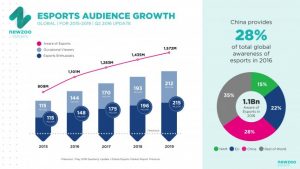
While Southeast Asia and India cemented mobile gaming as a cultural obsession years ago, Western audiences are catching up rapidly. Global championship events for Brawl Stars routinely shatter online viewership records that would make established PC tier 1 circuits envious, proving that worldwide audience enthusiasm is both colossal and enduring.
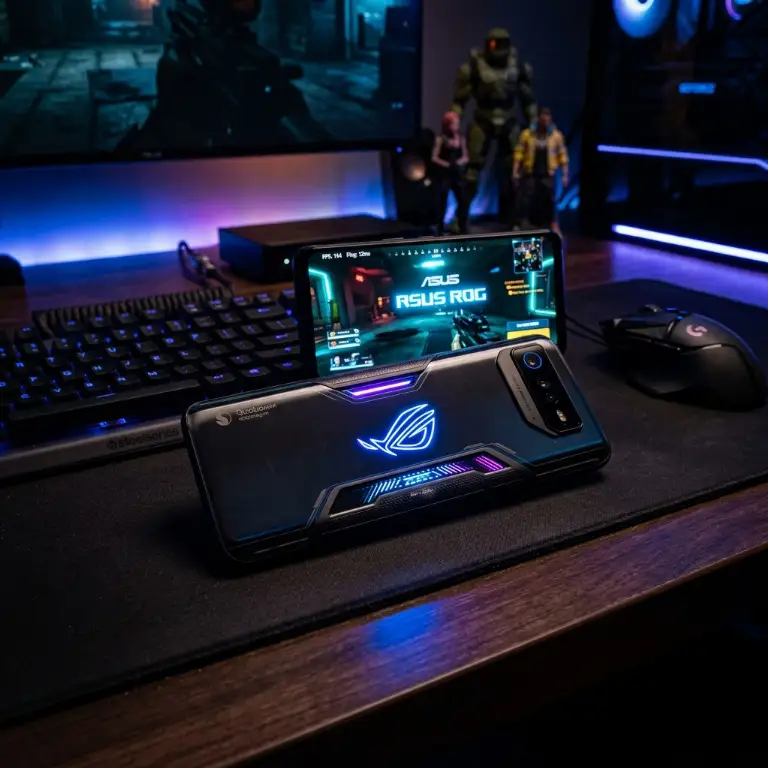
A Generational and Economic Divide: Touchscreen vs. Mouse and Controller
This worldwide shift is fueled primarily by an undeniable accessibility advantage. While building a competitive gaming PC and buying high-end peripherals has become financially prohibitive for millions of younger players, an ultra-capable smartphone is already in virtually every pocket.
As detailed in our buyer guide to the best gaming smartphones in 2026, modern mobile hardware now delivers 120Hz OLED displays, advanced vapor chambers, and flagship silicon at a fraction of the cost of a desktop GPU.
Yet beyond price barriers lies a genuine cultural evolution: touchscreen ergonomics versus traditional controllers and mouse-and-keyboard setups. Gamers who grew up navigating touch displays and tablets find physical keyboards cumbersome and unintuitive.
The immediacy of capacitive multi-finger claw grips, zero input distance, and the freedom to grind ranked matches anywhere and anytime align seamlessly with modern gaming lifestyle.
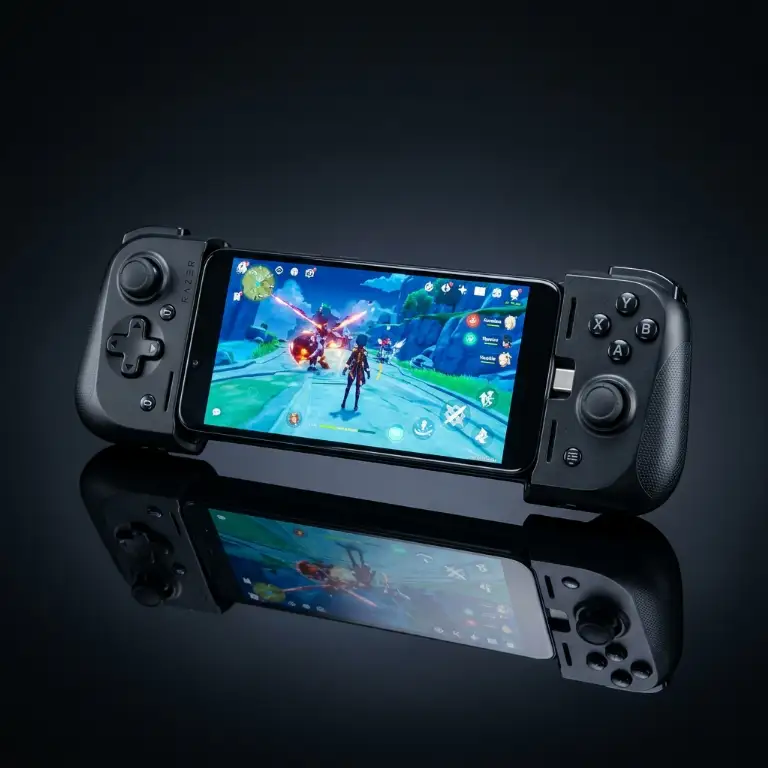
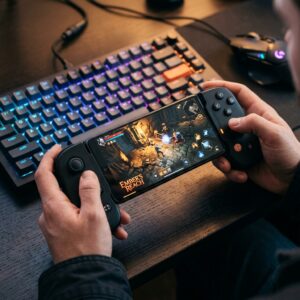
Razer Kishi V2
- Zero-latency direct USB-C connection
- Responsive microswitch buttons
- Ergonomic expandable bridge design
How Global Esports Organizations Are Adapting in 2026
Confronted with these staggering metrics, Tier 1 esports clubs across North America, Europe, and Asia can no longer afford to look away. Heavyweights like Team Liquid, Sentinels, Fnatic, and Karmine Corp have all established dedicated mobile rosters.
Mobile esports teams frequently require lower operational hardware overhead than 5-man PC bootcamps, yet they deliver massive broadcast numbers and engagement among younger demographics that traditional PC tournaments struggle to attract.
In 2026, PC dominance over competitive gaming is no longer an indisputable fact. The future of esports is increasingly unfolding under the tap of a touchscreen.
Protect your screen, stretch your thumbs, and see you in the lobby,
Grimtag

SEO consultant for over 20 years and digital entrepreneur, Charles 'Grimtag' Ronchain is the founder of Pro-Gamer.gg, Retrocharting.com, and Gamescharting.com. A competitive gamer, streamer, and retro game collector, he has worked in the video game industry for over 15 years, notably as a consultant for leading game price comparison platforms. Passionate about real-time performance data and gaming technology, he analyzes competitive esports, gaming hardware benchmarks, and creator workflows on Pro-Gamer.gg with an authentic player perspective.