"A Rental Disguised as a Sale": How the Power To The Players Act Would Force Offline Modes and Digital Game Resale Rights
The battle over true digital video game ownership has officially reached Capitol Hill. U.S. Representative Ritchie Torres (representing New York's 15th congressional district in the Bronx) has introduced the Power To The Players Act, proposed federal legislation aimed at ending revocable software licenses and protecting players when publishers pull the plug on online servers.
True Ownership, Mandatory Offline Modes, and Resale Rights Backed by the FTC
If passed by Congress, the bill directs the Federal Trade Commission (FTC) to establish binding federal regulations centered on three core consumer protections across all digital storefronts and publishers:
- True Legal Ownership: Purchasing a video game must grant the consumer actual legal ownership and permanent play rights rather than a temporary, revocable software license.
- Mandatory Offline Modes Before Server Shutdowns: Any company operating an online-enabled game would be legally required to provide a functional offline mode before permanently shutting down its supporting servers.
- Right to Transfer and Resell Digital Games: Consumers would retain the legal right to transfer or resell the digital video games they purchase, mirroring the secondhand rights long enjoyed by physical disc owners on PlayStation 5 and Xbox Series X.
The $99.99 NBA 2K25 Catalyst: Delisted and Shut Down After Just Two Years
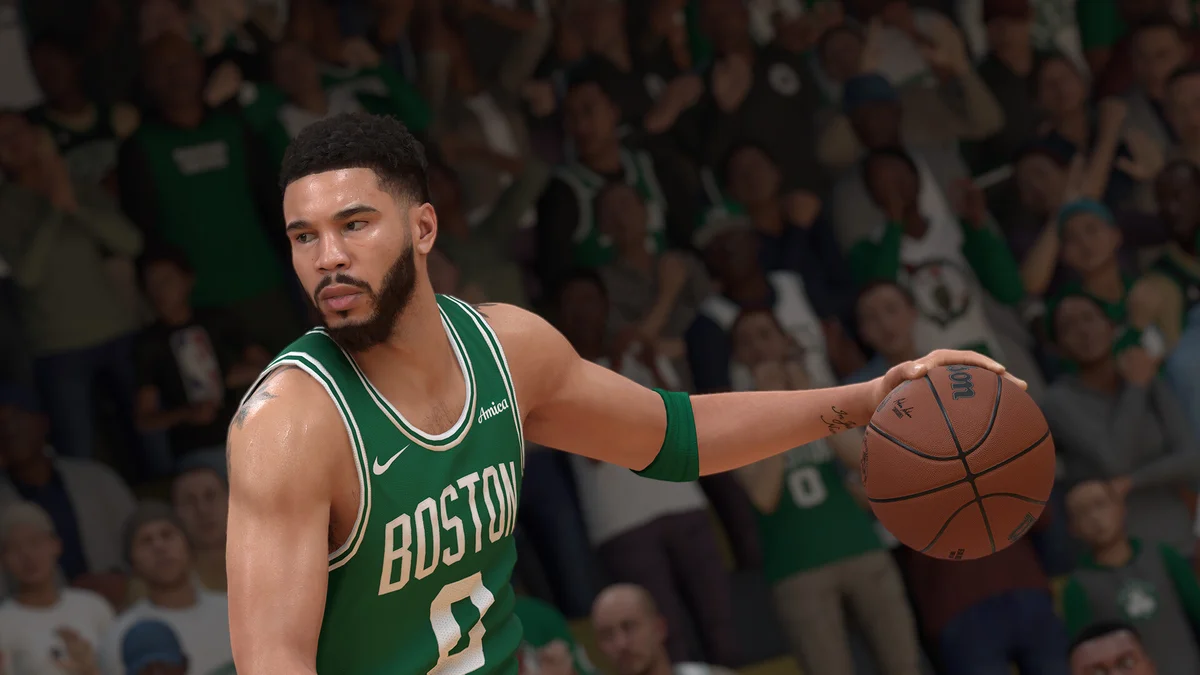
In his official congressional announcement, Ritchie Torres pointed directly to the handling of NBA 2K25 as a textbook example of the anti-consumer practices driving the legislation.
Despite retailing for $69.99 for its standard edition and $99.99 for the All-Star Edition when it launched in September 2024, the basketball title is scheduled to be delisted from digital storefronts on October 30, 2026, before having its online servers permanently shut down on December 31, 2026. Barely two years after release, that server cutoff will render major portions of the game completely unplayable.
Representative Torres condemned the practice in unequivocal terms: "When you pay for a game, you should own it. A game that can be taken away the moment a company pulls the plug is not a purchase. It is a rental disguised as a sale."
Global Legislative Momentum Builds Against Digital obsolescence
This federal push in Washington builds on a growing international wave demanding stronger game preservation laws. Following Europe's grassroots Stop Killing Games citizen initiative and recent legislative efforts in Mexico to keep digital games playable after server shutdowns, lawmakers in the world's largest video game market are now stepping into the arena.
Even as hardware makers roll out transitional tools like the Xbox Disc-to-Digital physical-to-digital license program, forcing publishers to guarantee offline preservation patches and digital resale rights is certain to spark fierce lobbying resistance from major industry trade groups on Capitol Hill.
My Take
For years, I have argued that labeling a button "Buy" when it only unlocks a precarious, revocable access license is a consumer sleight of hand. Seeing a member of the U.S. Congress directly challenge the practice of bricking $100 games after twenty-four months is a massive moral victory for players. While requiring an offline preservation patch is basic technical common sense that studios should plan for from day one, legalizing digital game resale would shake the foundations of every major online storefront. Even if industry lobbyists fight tooth and nail to stall this bill in committee, the political message is unmistakable: the era of unchecked digital obsolescence is running out of time.

SEO consultant for over 20 years and digital entrepreneur, Charles 'Grimtag' Ronchain is the founder of Pro-Gamer.gg, Retrocharting.com, and Gamescharting.com. A competitive gamer, streamer, and retro game collector, he has worked in the video game industry for over 15 years, notably as a consultant for leading game price comparison platforms. Passionate about real-time performance data and gaming technology, he analyzes competitive esports, gaming hardware benchmarks, and creator workflows on Pro-Gamer.gg with an authentic player perspective.