Loose 12V-2x6 Connector After RMA and Voided Warranty: Inside the Botched Repair of a Palit GeForce RTX 5090 GameRock at Overclockers UK
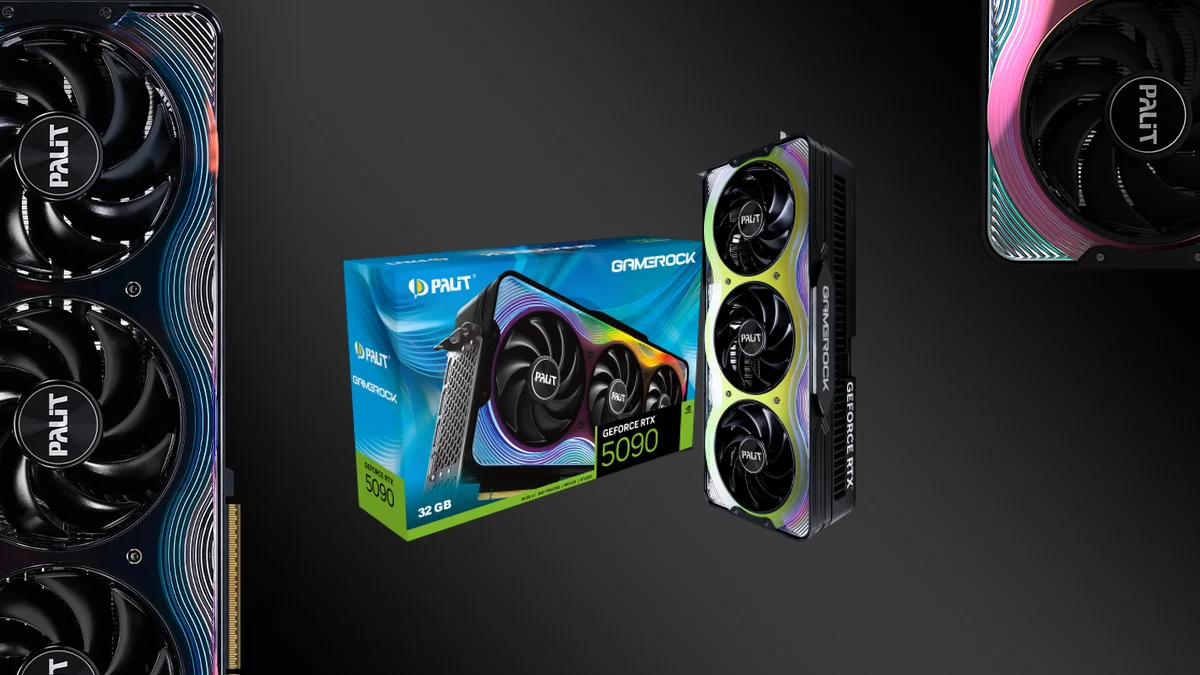
Spending over £2,500 (roughly $3,100) on a flagship 575W graphics card should come with ironclad post-purchase support when a power delivery failure strikes. Instead, the ongoing ordeal documented on Reddit's r/pcmasterrace by user u/m0hm1 with his Palit GeForce RTX 5090 GameRock OC highlights a distressing breakdown in quality control: after an initial 16-pin connector meltdown and a botched warranty repair, UK retailer Overclockers UK (OcUK) has voided the card's warranty a second time, blaming a detached power header on customer-induced "physical damage."
Act I: A Melted 12V-2x6 Header and an Initial RMA Rejection
The saga began with a failure mode that has haunted high-wattage graphics cards since the introduction of the 16-pin standard. While powering the Palit GeForce RTX 5090 GameRock OC (32GB GDDR7 across a 512-bit bus, rated at 575W TGP) using the official adapter bundled in the retail box, the card's 12V-2x6 / 12VHPWR power connector melted under load.
When the owner first submitted the card for Return Merchandise Authorization (RMA), Overclockers UK initially turned down the claim, attributing the thermal failure to user error. Only after the case gained massive traction across Reddit did OcUK management step in to overturn the rejection and accept the graphics card for a warranty repair, echoing wider industry concerns following recent 12V-2x6 cable degradation alerts on flagship workstation GPUs.
Act II: How the Thermal Grizzly WireView Pro 2 Prevented a Second Fire
When the repaired Palit GeForce RTX 5090 GameRock OC finally returned from the retailer's service center, the owner immediately noticed something alarming during inspection: the newly replaced 16-pin power receptacle felt abnormally loose on the printed circuit board (PCB).
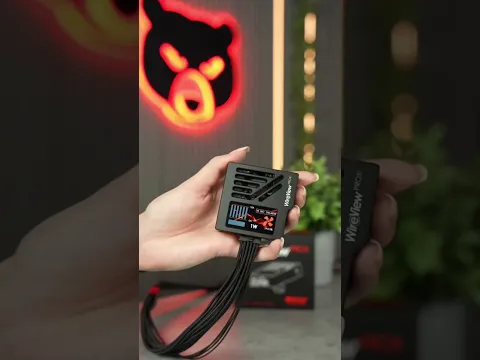
Unwilling to take any chances after the first meltdown, u/m0hm1 installed a Thermal Grizzly WireView Pro 2 inline between the power cable and the GPU before booting the system. This hardware telemetry and protection unit measures per-pin 12V current flow in real time and triggers an automatic emergency shutdown if dangerous load asymmetries occur, offering active circuit protection similar to next-generation 12V-2x6 cables with 9.5A per-pin cutoff protection.
On the very first power-on attempt, the WireView Pro 2 detected a severe current imbalance across the 12V pins and immediately tripped its safety shutoff, preventing a second thermal runaway. When the owner unplugged the assembly to inspect the header, the entire 16-pin connector came right off the PCB.
Intact Copper Pads: Forensic Proof of a Cold Solder Joint
Sent back to Overclockers UK a second time, the GPU hit another customer service wall. A different support representative inspected the detached connector, declared the warranty void due to "physical damage," and scheduled the non-functional card to be shipped back to the customer unrepaired.
However, high-resolution macro photographs of the bare PCB shared by u/m0hm1 tell an unmistakable story to anyone familiar with electronics manufacturing and PCB rework:
- Zero Torn Copper Pads: When a through-hole power connector is ripped off a circuit board by mechanical force or user mishandling, the soldered pins tear away the surface copper pads, annular rings, and chunks of fiberglass laminate from the PCB substrate.
- Clean Through-Hole Extraction: On the macro shots of this Palit RTX 5090 GameRock OC, every single copper pad and PCB trace is completely intact. The pins slipped cleanly out of the plated through-holes, which is the textbook signature of a cold or dry solder joint performed during the RMA rework.
- Inadequate PCB Preheating During Repair: An RTX 5090 circuit board contains massive internal copper power and ground planes engineered to handle 575W. If a repair technician attempts to solder a replacement 12V-2x6 header without properly preheating the board on a thermal plate and applying sufficient flux, the thick copper planes wick heat away from the soldering iron instantly, preventing the molten solder from wetting and bonding inside the through-holes.
| RMA Timeline Stage | Technical Finding on Palit RTX 5090 GameRock OC | Overclockers UK Response |
|---|---|---|
| 1. Initial Failure | 12V-2x6 connector melted while using the official bundled adapter | Initial warranty rejection ("user damage"), reversed after Reddit outcry |
| 2. Post-RMA Arrival | Replacement 16-pin header exhibited mechanical play straight out of the box | Shipped back to customer marked as "repaired" |
| 3. WireView Pro 2 Test | Severe 12V pin current imbalance detected; instant safety shutdown triggered | Second meltdown prevented by Thermal Grizzly hardware protection |
| 4. PCB Macro Inspection | Connector detached with 100% intact copper pads: textbook cold solder joint | Second warranty void ("physical damage") and broken GPU returned to owner |
Check Availability GeForce RTX 5090 Availability on Amazon→
My Test Bench
Looking closely at the macro photographs of this Palit GeForce RTX 5090 GameRock OC PCB, the forensic evidence leaves zero room for doubt: this is a textbook botched rework job. Desoldering and replacing a 12V-2x6 power header on a multi-layer flagship board engineered to carry nearly 600W cannot be done with a standard bench iron alone. Those heavy internal copper planes act as a massive heat sink that solidifies solder before it can wick into the plated through-holes unless the entire board is properly preheated on a thermal station. The fact that not a single copper pad was lifted proves 100% that the pins never bonded to the barrels in the first place. Without the instant cutoff from the Thermal Grizzly WireView Pro 2, that high contact resistance would have sparked a catastrophic electrical arc on the first boot. Blaming a customer for a cold solder joint performed by your own RMA repair center is unacceptable at any price point, let alone on a £2,500 flagship GPU.

PC hardware enthusiast and competitive gamer, Arthur 'Heimdall' splits his time between France and the UK working in enterprise B2B software solutions. A business school graduate passionate about component benchmarking, he has been building, modding, and tuning PCs since childhood, optimizing every thermal degree and millisecond of display latency. An avid gamer across Assassin's Creed and sandbox titles, he forged his alliance with Grimtag and Chaya during late-night World of Warcraft raids before joining Pro-Gamer.