30 Years After the SNES, Lufia I & II: The Sinistrals Saga Brings Both 16-Bit JRPGs to Switch 2, PS5, and PC
More than three decades after defining the golden era of 16-bit Japanese role-playing games on the Super Nintendo Entertainment System, the beloved franchise created by Neverland Company and Taito Corporation is officially returning. Teaming up with western publisher Clear River Games, Taito has announced that Lufia I & II: The Sinistrals Saga (known in Japan as Estpolis Denki I & II) will launch across the 2027 video game release calendar for Nintendo Switch 2, Nintendo Switch, PlayStation 5, and PC via Steam, with both physical retail and digital editions planned.
Two Iconic 16-Bit JRPGs Preserved with Overhauled Scripts
The compilation brings together both chapters of the generational war surrounding the mystical Dual Blade. Originally released on the SNES in 1993, Lufia & the Fortress of Doom opens directly at the climactic battle on Doom Island before jumping nearly a century forward. Players follow a young descendant of the hero Maxim and his childhood companion Lufia as the four godlike Sinistrals (Gades, Amon, Erim, and Daos) awaken from their seal. Notably, the 1993 release stood out as one of the earliest console RPGs to pioneer a dedicated New Game Plus mode via its Retry feature.
Alongside it sits the critically acclaimed 1995 prequel, Lufia II: Rise of the Sinistrals, which chronicles the tragic journey of Maxim, Selan, Guy, Artea, Tia, and Dekar. Celebrated for replacing random dungeon battles with visible turn-based monster movement on the map, the prequel remains a landmark thanks to its tool-based environmental puzzles, the monster-raising Capsule Monsters system, and the legendary Ancient Cave, a 99-floor randomized roguelike dungeon that strips the party back to level one on every run.
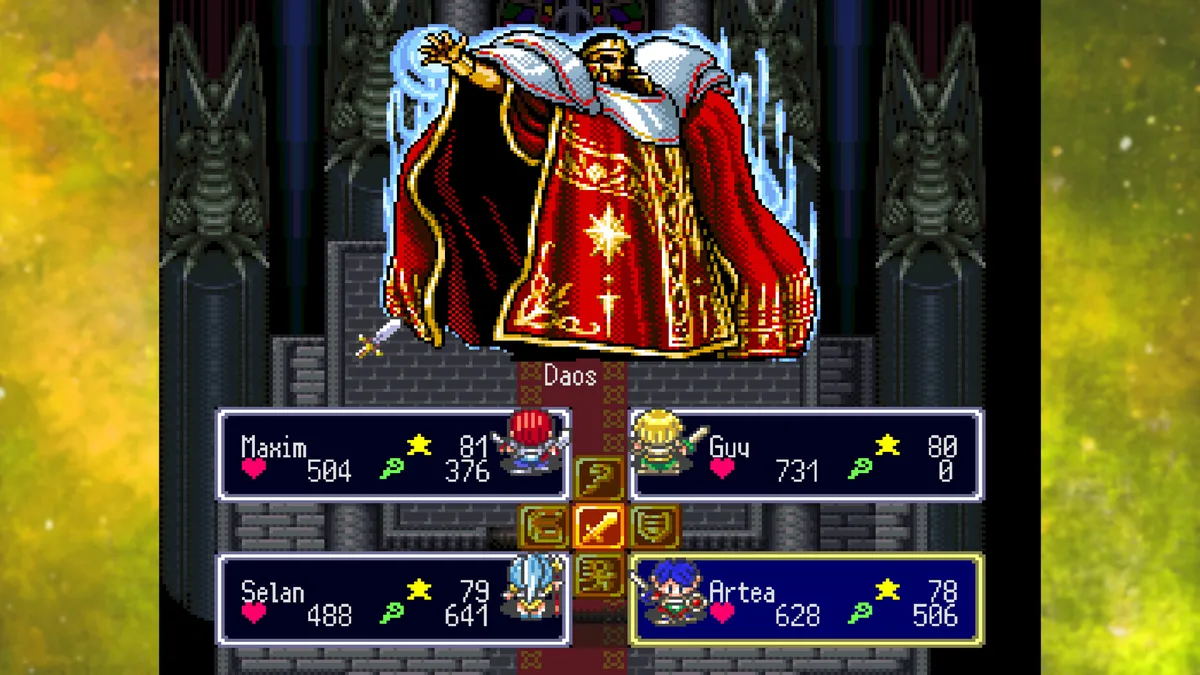
According to official specifications from Taito and Clear River Games, the western console versions support English, French, German, Spanish, and Japanese, while the Steam release includes all regional languages plus Korean, Simplified Chinese, and Traditional Chinese. Original series game designer and writer Masahide Miyata personally reviewed every line of dialogue across both titles to rewrite the Japanese script with full kanji support, overcoming the strict Super Famicom cartridge memory limits that originally forced much of the text into hiragana.
Check Lufia I & II The Sinistrals Saga deals on Allkeyshop→
Brand-New Themes by Yasunori Shiono, Music Engine Orchestra, and Kenji Ando Key Art
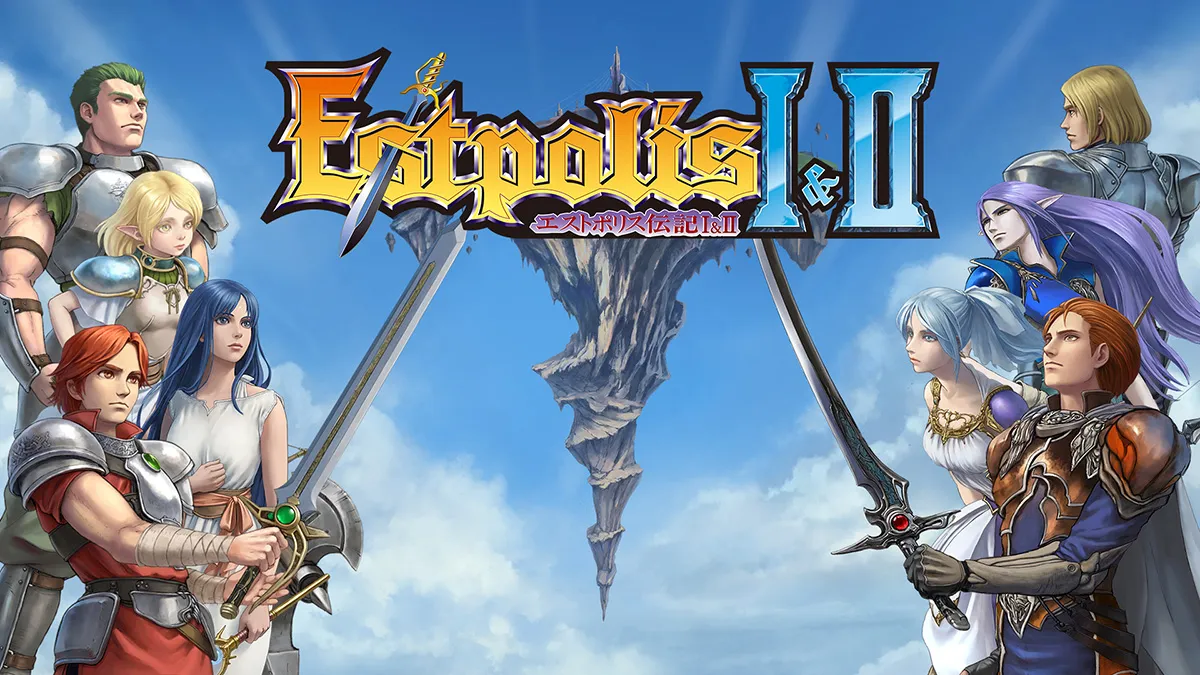
Rather than settling for a barebones emulation wrapper, Lufia I & II: The Sinistrals Saga reunites the original creative pillars of the 1990s releases alongside modern quality-of-life enhancements. Original Lufia II character designer and illustrator Kenji Ando returned after 30 years to paint a brand-new key visual for the collection. The artwork places the cast of Rise of the Sinistrals face-to-face with the heroes of Fortress of Doom, whom Ando illustrated himself for the very first time against the backdrop of Doom Island.
On the audio front, series composer Yasunori Shiono has composed two brand-new tracks exclusively for this collection: a new opening theme and a new staff roll ending theme. Taito has also confirmed that unused prototype tracks from the original 16-bit development era will be included. Furthermore, the Japanese orchestra Music Engine, led by Kouta Kawai and founded by Akihiro Kawai, has recorded a special orchestral performance included as an in-game bonus, ahead of a live symphonic concert scheduled in Tokyo on February 13, 2027.
Confirming a day-one version for Nintendo's new hybrid hardware further underscores growing developer support for the Nintendo Switch 2 among Japanese publishers reviving classic RPG catalogs.
My Field Notes
Anyone who has ever lost twenty hours descending the 99 randomized floors of the Ancient Cave in Lufia II knows just how far ahead of its time Neverland's 1995 masterpiece truly was. Packaging both SNES installments natively for Nintendo Switch 2, PS5, and Steam with a script personally revised by Masahide Miyata, unused 1990s prototype tracks, and two brand-new compositions from Yasunori Shiono is the exact caliber of preservation this emotional 16-bit saga deserved.

Originally from Lyon, France, gaming journalist Bastien "Orion" relocated nearly a decade ago to Quebec City's Saint-Roch district, right in the heart of eastern Canada's development studio hub. Before crossing the Atlantic, he honed his versatile reporting style across classic French gaming web portals and specialist television outlets in the 2000s and 2010s, notably with JeuxVideo.fr and JeuxNews. Equally passionate about AAA blockbusters, North American studio culture, retro preservation, and community modding projects, he anchors Pro-Gamer's transatlantic desk and real-time coverage of US and Japanese industry announcements.