Full Wayland, Linux 7.0 Kernel, and Official Hibernation: Linux Mint 27 "Adrien" Beta Takes Aim at Windows 11
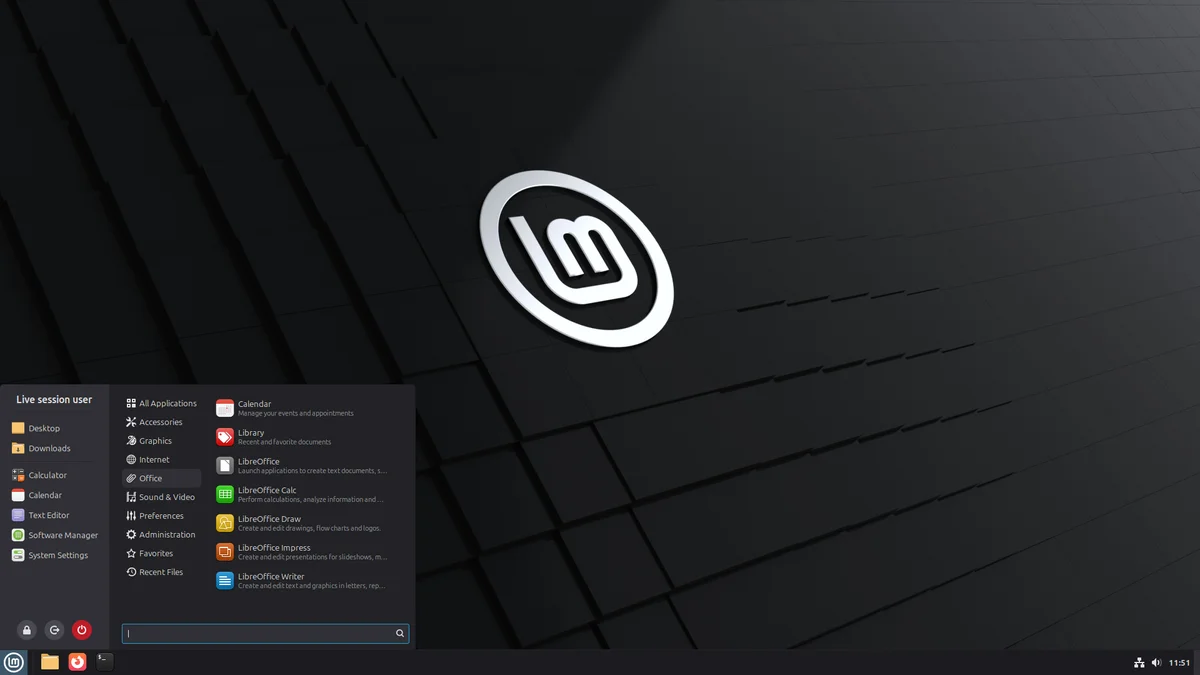
Project lead Clement Lefebvre and the Linux Mint development team have officially opened public testing for Linux Mint 27 "Adrien" Beta, announced on November 27, 2026 via the official Linux Mint Blog. Beneath its new version number, the release delivers one of the largest upgrades in the distribution's history, pairing full Wayland support in Cinnamon 6.8 with the Linux 7.0 kernel, native hibernation controls, and an overhauled lineup of built-in system utilities.
Why Linux Mint Jumped Straight From 22.3 to 27
Longtime Mint users will immediately notice there is no Linux Mint 23. The team has shifted to an annual release schedule tied to the upcoming calendar year, retiring the old point-release cycle (such as 22.1 through 22.3). After completing its traditional alphabet of female codenames with Linux Mint 22.3 "Zena," the project is also starting fresh with male codenames, beginning with "Adrien."
Under the hood, Linux Mint 27 "Adrien" is a Long Term Support (LTS) release built on an Ubuntu 26.04 LTS ("Resolute") package base and powered by the Linux 7.0 kernel, with security updates guaranteed through April 2031. Beta ISOs are available for Cinnamon 6.8, Xfce 4.20, and MATE 1.28, while the legacy Ubiquity installer has been replaced by Live Installer, previously refined in LMDE, for faster and cleaner deployments.
Cinnamon 6.8 Delivers Full Wayland, 1:1 Gestures, and Multi-Monitor Upgrades
Wayland is no longer tucked away behind an experimental disclaimer in Cinnamon 6.8. According to the official Linux Mint 27 feature overview, Wayland is now fully supported with 3D acceleration, HiDPI and fractional scaling, keyboard layouts, IBus and Fcitx5 input methods, and real-time one-to-one touchpad and touchscreen gestures.
To ensure consistency across both Wayland and X11 sessions, the screensaver and lock screen were rewritten from scratch and folded directly into Cinnamon. Multi-monitor desktop setups also gain practical refinements, including independent wallpapers per display (or a single wallpaper spanned across screens) and a brand-new Cinnamon screenshot utility capable of targeting a single monitor, capturing windows with or without drop shadows, and cropping shots before saving.
Maturing Wayland support arrives at a pivotal moment for Linux PC gaming, right as core graphics layers like DXVK 3.2 refine GPU frame pacing on Wayland.
Official Hibernation Returns Inside a Unified System Administration Hub
Laptop owners have a major reason to celebrate as well: hibernation is officially back. Because Ubuntu dropped out-of-the-box hibernation support upstream, standard Suspend mode remained the fallback, slowly draining batteries over two to three days and wiping active sessions once power ran dry. Linux Mint 27 solves this with a dedicated Sleep Modes page inside System Administration.
Instead of manually wrestling with swap partitions and configuration files, users can easily enable pure Hibernation (zero battery drain with the session written to disk), Hybrid Sleep (fast resume backed by a disk snapshot if power fails), or Suspend-then-Hibernate, which automatically transitions a sleeping laptop into hibernation once battery levels turn critical.
System Administration now also centralizes user account management (allowing home directory encryption during account creation), system-wide environment variables, and series-based Linux kernel tracking with automated weekly cleanups and individual kernel protection locks.
Superlight, Velocitty, and Nemo: A Sweeping System App Overhaul
Beyond plumbing improvements, Mint 27 replaces or upgrades a large chunk of its default software toolkit:
- Superlight: A brand-new system monitor graphing live CPU, RAM, swap, GPU, network, disk I/O, temperature, fan speed, and battery history. Its Storage tab even includes a dedicated Steam view breaking down exact disk usage per installed Steam game alongside a Flatpak breakdown.
- Velocitty: A modern terminal emulator inspired by Ghostty and Ptyxis, featuring a tab overview, custom color palettes, color-coded session states (red for superuser activity, blue for remote sessions), and bookmarked startup tabs for shells or SSH workflows.
- Faster Nemo File Manager: Adds a toggleable media preview pane via F7 (covering audio, images, video, and EXIF metadata), removes the legacy 200 ms folder opening delay, switches Interactive Search to a live filtered view, and accounts for Linux write caches so USB copy progress bars only hit 100% once data is safely written.
- New XApps Suite: Introduces Clockenstein (local, Google Calendar, and CalDAV/Nextcloud sync with a background daemon) paired with the Android-inspired Clocks alarm app, the lightweight Unfold archive manager (7-Zip and RAR support), the Xepub e-book reader, and a redesigned Thingy document library.
This sweeping modernization highlights how rapidly beginner-friendly Linux desktops are closing usability gaps against Windows 11, alongside other Ubuntu 26.04 LTS-based contenders such as Pop!_OS 26.04 LTS and its COSMIC desktop.
System Requirements and Beta Caveats
Hardware requirements remain modest at 2 GB of RAM (4 GB recommended), 20 GB of disk space (100 GB recommended), and a 1024x768 display. Clement Lefebvre emphasizes that this release is strictly a testing beta meant to surface bugs on GitHub before the stable launch. Upgrading from this beta to the final Linux Mint 27 release will be supported, and official upgrade paths from Linux Mint 22.3 will follow once the stable build ships.
My Field Notes
Linux Mint has long held a reputation as the dependable, no-nonsense landing pad for people leaving Windows, even if its desktop stack occasionally lagged behind bleeding-edge distributions. Looking at the scope of Mint 27 "Adrien," I think that cautious gap is finally closing. Bringing full Wayland support to Cinnamon 6.8 without alienating longtime desktop habits, while directly fixing Ubuntu's missing hibernation workflow, removes two of the most common friction points on modern hardware. Seeing Superlight ship with GPU telemetry, fan curves, and a built-in Steam storage view also confirms the team knows how many PC gamers are eyeing Linux right now. If the beta irons out Wayland edge cases across NVIDIA and AMD setups, Mint 27 could easily become the default Windows 11 alternative heading into 2027.

Originally from Lyon, France, gaming journalist Bastien "Orion" relocated nearly a decade ago to Quebec City's Saint-Roch district, right in the heart of eastern Canada's development studio hub. Before crossing the Atlantic, he honed his versatile reporting style across classic French gaming web portals and specialist television outlets in the 2000s and 2010s, notably with JeuxVideo.fr and JeuxNews. Equally passionate about AAA blockbusters, North American studio culture, retro preservation, and community modding projects, he anchors Pro-Gamer's transatlantic desk and real-time coverage of US and Japanese industry announcements.