The History of Esports: From Arcade Roots to the Birth of Pro Gaming
The Origins and First Titles of Competitive Gaming
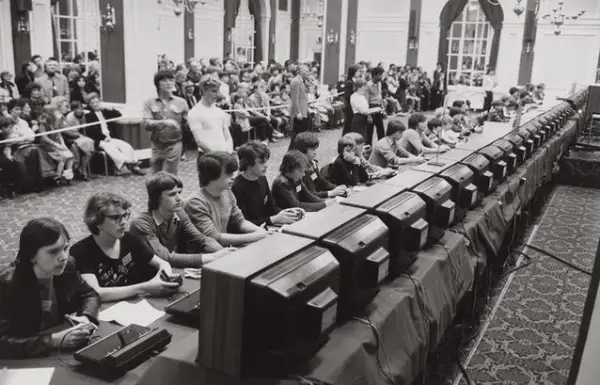
The Early Days (1970-1990): The birth of competitive gaming traces back to the 1970s with informal high-score showdowns on arcade classics like Pong. In 1980, the National Space Invaders Championship drew over 10,000 competitors across the United States, establishing itself as the first gaming competition of truly massive scale.
Foundational Titles: During the 1990s, trailblazers like Quake and Street Fighter pioneered structured tournament circuits. These titles served as the bedrock pioneers that defined esports as a recognized competitive discipline.
Infrastructure and LAN Parties: The grassroots culture of LAN parties, where players lugged bulky CRT monitors and PC towers to local networks, catalyzed the movement. Gatherings like DreamHack in Sweden started as modest basement gatherings before transforming into globally celebrated esports festivals.
The Evolution of Competitive Tournaments
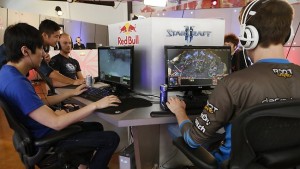
The Online Revolution (2000s): With the arrival of high-speed broadband internet, online play became the universal standard. Platforms like Blizzard's Battle.net for StarCraft enabled millions of global competitors to match up instantly from anywhere on Earth.
Full Professionalization: Over time, tournament infrastructure became increasingly structured. Premier franchised leagues and circuits emerged, including the League of Legends Championship Series (LCS) and the Counter-Strike Major Championships, offering life-changing prize money and commanding worldwide broadcasts.
Genre Diversification: Esports expanded far beyond classic shooters, embracing MOBAs like Dota 2 and League of Legends, tactical hero shooters like Overwatch and Valorant, and sports simulations like EA FC and NBA 2K.
Iconic Milestones That Shaped Esports
World Cyber Games (WCG): Founded in 2000, the WCG was celebrated as the "Olympics of Esports," staging international showdowns where national delegates competed under their home flags.
StarCraft in South Korea: Throughout the 2000s, StarCraft: Brood War erupted into a South Korean cultural phenomenon, complete with 24-hour cable television networks and household celebrity pros like Flash, Boxer, and Jaedong.
The International (Dota 2): Debuting in 2011 with a groundbreaking $1.6 million prize pool, Valve's annual flagship championship became the most lucrative event in competitive gaming history, with prize funds eventually soaring past $34 million.
The Live Streaming Boom: With the meteoric rise of Twitch and modern broadcast platforms, esports unlocked frictionless access to millions of simultaneous viewers worldwide, spawning full-time creator careers and elevating pro gaming into mainstream culture.
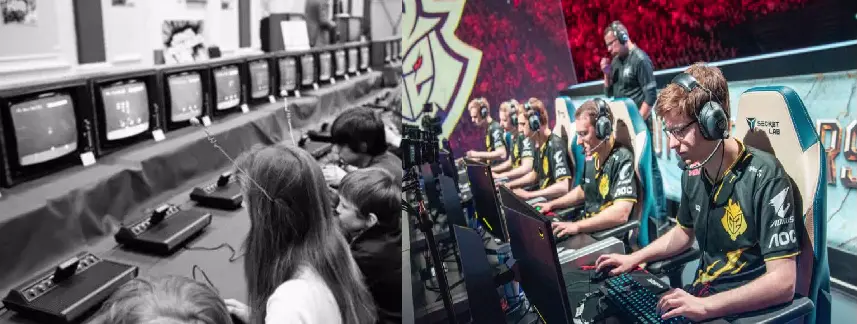
Tracing the remarkable evolution of esports illustrates just how profoundly the scene has matured, growing from casual gatherings among close friends into sold-out arenas roaring with passionate fans from across the globe.
Esports stands as a testament to competitive spirit and an enduring passion for gaming in all its forms. Who could have envisioned, dropping coins into Pong in the 1970s, that those early pixels were building the foundation of a multi-billion dollar global entertainment industry?
This historical journey celebrates both intense competition and the power of gaming communities. To all players, spectators, and newcomers alike, thank you for being part of this incredible story.
After all, esports is more than just video games: it is pure passion.
See you in the next match! 


SEO consultant for over 20 years and digital entrepreneur, Charles 'Grimtag' Ronchain is the founder of Pro-Gamer.gg, Retrocharting.com, and Gamescharting.com. A competitive gamer, streamer, and retro game collector, he has worked in the video game industry for over 15 years, notably as a consultant for leading game price comparison platforms. Passionate about real-time performance data and gaming technology, he analyzes competitive esports, gaming hardware benchmarks, and creator workflows on Pro-Gamer.gg with an authentic player perspective.